University of the Pacific Arthur A. Dugoni School of Dentistry White Coat Ceremony Advances Dental Education
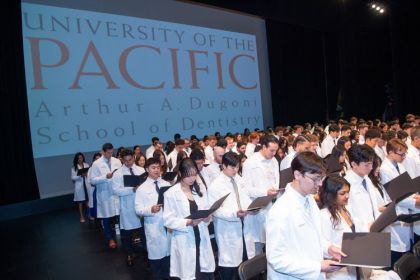
Recent news from the University of the Pacific highlights a major academic milestone for aspiring oral health professionals. Nearly 220 students at the Arthur A. Dugoni School of Dentistry recently received their white coats, marking a critical transition in their dental education journey. Held at the Palace of Fine Arts Theatre in San Francisco, this event signifies the students’ shift from simulation-based learning to providing direct, hands-on patient care. For prospective students and those interested in the landscape of healthcare training in the USA, understanding the weight of this ceremony provides valuable insight into what top-tier dental programs prioritize.
The Historical Significance of the White Coat Ceremony in Dental Education
While the white coat ceremony is now a staple across various medical and health science disciplines, its integration into dental education has a specific and notable history. The Arthur A. Dugoni School of Dentistry pioneered this rite of passage in the mid-1990s, becoming the first dental school in the nation to adopt the practice. This historical context is important for prospective students evaluating programs, as it demonstrates an institution’s long-standing commitment to professional identity formation rather than simply adhering to a recent trend.
By establishing this tradition decades ago, the Dugoni School helped shape how dental schools across the USA approach the psychological and professional transition of their students. The ceremony serves as a deliberate, formal acknowledgment that students are crossing a threshold. They are no longer just absorbing scientific principles in a classroom; they are being entrusted with the physical and emotional well-being of real patients. This early introduction of professional responsibility helps set the tone for the rigorous clinical training that follows.
Moving from Simulation to Clinical Practice
The core purpose of the recent Dugoni School ceremony was to formally recognize the transition of the DDS Class of 2028, the International Dental Studies Class of 2028, and the Dental Hygiene Class of 2027 into the clinical phase of their education. In modern dental education, the early months or years heavily rely on simulation laboratories. Students practice procedures on typodonts—artificial sets of teeth—and mannequins to develop their fine motor skills and understanding of dental materials in a low-stakes environment.
Receiving the white coat indicates that faculty have assessed these students as ready to move beyond the simulation lab. It marks the point where they begin treating patients under faculty supervision in the school’s clinics. This transition requires a rapid maturation of skills. Students must now apply their technical abilities to unpredictable human anatomy, manage patient anxiety, and adapt to real-time clinical challenges. The ceremony acts as a psychological anchor, reminding students of the trust being placed in them as they enter this high-accountability phase of their training.
Submit your application today if you are ready to take the first step toward your own clinical transition in a rigorous dental program.
The Central Role of Compassionate Care in Modern Dentistry
A major theme emphasized during the University of the Pacific event was the concept of compassionate care. Technical proficiency alone is insufficient for success in dentistry. The oral cavity is an incredibly sensitive area, and dental procedures frequently provoke significant patient anxiety. A dentist’s ability to manage that anxiety, communicate clearly, and demonstrate empathy directly impacts patient outcomes and their willingness to seek necessary preventive care.
During the ceremony, students recited a professional oath. This oral commitment reinforces the ethical and moral obligations of the profession. It explicitly binds the students to uphold standards of integrity and prioritize patient welfare above all else. Integrating compassionate care into the formal oath ensures that students understand empathy is not a secondary trait but a fundamental clinical competency. Programs that highlight this philosophy are actively working to combat the stereotype of the cold, mechanical healthcare provider, instead training practitioners who view patients as whole individuals.
Building Trust Through Ethical Practice
Trust is the foundation of the patient-provider relationship. When students pledge to maintain high ethical standards, they are acknowledging the power dynamic inherent in healthcare. Patients place themselves in a vulnerable position, relying on the provider’s expertise and honesty. By emphasizing ethics alongside clinical skills, dental schools ensure their graduates are prepared to navigate complex situations, such as discussing treatment costs, managing treatment failures, or respecting patient autonomy. This comprehensive approach to training produces professionals who are better equipped to serve their communities effectively.
Evaluating Dental Education Standards Across the USA
Events like the white coat ceremony offer a window into the broader standards of dental education in the USA. Accreditation bodies require rigorous academic and clinical curricula, but the culture of an institution plays an equally important role in shaping its graduates. The Dugoni School’s approach—emphasizing early clinical integration, humanistic values, and formal professional initiation—reflects a broader shift in American healthcare education toward producing well-rounded practitioners.
Prospective dental students should look closely at how different programs handle these critical transitions. How does a school support students as they move from simulation to live patient care? What mentorship structures are in place? How is professional ethics woven into the daily curriculum, rather than confined to a single ceremony? Analyzing these factors provides a more accurate picture of a program’s quality than simply reviewing pass rates on board exams, though those metrics remain undeniably important.
Schedule a free consultation to learn more about how to evaluate and compare dental education programs across the country.
Actionable Advice for Aspiring Dental Students
Reading about the achievements of the Dugoni School’s newest cohorts can serve as a motivational benchmark for those currently navigating the admissions process. Aspiring dentists can take several concrete steps to prepare for the rigorous demands of dental education and the eventual reality of their own white coat ceremony.
- Develop manual dexterity early: Dental school requires highly refined fine motor skills. Engaging in activities that require precision—such as drawing, sculpting, or playing musical instruments—can help build the baseline hand-eye coordination necessary for simulation lab success.
- Gain direct exposure to the field: Shadowing practicing dentists, dental hygienists, and dental assistants provides crucial insight into the daily realities of the profession. It also provides meaningful experiences to discuss in application essays and interviews.
- Cultivate interpersonal skills: Because compassionate care is heavily emphasized in modern curricula, applicants must demonstrate strong communication abilities. Volunteer work, customer service roles, or leadership positions in clubs can help refine these skills.
- Understand the curriculum structure: Research how target programs sequence their didactic and clinical education. Knowing whether a program integrates clinical experiences early or delays them until later years can help you find a learning environment that matches your learning style.
Preparing for a career in dentistry requires a multifaceted approach. Academic excellence is merely the baseline; demonstrating manual aptitude, ethical grounding, and genuine interpersonal concern is what separates competitive applicants from the rest of the pool.
Have questions? Write to us! We can provide additional resources on preparing for dental school admissions.
The Long-Term Impact of Professional Milestones
The white coat ceremony is a brief event, but its impact resonates throughout a professional’s career. For the students at the University of the Pacific, the images and memories of standing at the Palace of Fine Arts Theatre will serve as a lasting reminder of the commitments they made to their peers, their faculty, and their future patients. As they progress through their clinical rotations, face challenging procedures, and eventually enter independent practice, the principles emphasized during that ceremony will guide their decision-making.
For the dental profession at large, the continued emphasis on these rituals ensures a steady reinforcement of core values. As healthcare becomes increasingly complex and technology-driven, the human elements of compassionate care and ethical practice remain the most critical components of patient satisfaction and clinical success. The news out of San Francisco serves as a strong reminder of the standards to which all dental professionals are held.
Share your experiences in the comments below if you have recently gone through a white coat ceremony or are preparing for one in the future.