
Simmons University Hosts Inaugural First-Generation Graduation Ceremony in the USA
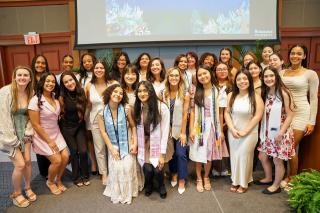
On May 11, 2026, Simmons University marked a significant milestone in its institutional history by hosting its first annual First-Generation Graduation Ceremony. Organized by the university’s Multicultural Center and the First to FINish student support program, the event recognized the distinct challenges and remarkable achievements of students who are the first in their families to earn a college degree in the USA. This dedicated celebration highlights a growing movement in higher education to acknowledge the unique hurdles first-generation students face and to honor their resilience. Schedule a free consultation to learn more about first-generation support services.
Understanding the First-Generation Student Experience in the USA
Navigating the higher education system in the USA is a complex process for any student, but it presents an entirely different set of challenges for those whose parents did not attend college. First-generation college students often enter university without the foundational knowledge of how academic systems operate. They must decipher complex financial aid forms, understand the nuances of academic advising, and learn how to network—all without the benefit of familial experience to guide them.
During the ceremony, Assistant Vice President for Diversity, Strategy and Engagement Rachel Deleveaux highlighted a stark national statistic: approximately one in five first-generation students in the USA leave higher education after their first year. This attrition rate is driven by a combination of factors, including financial pressures, a lack of institutional belonging, and the overwhelming nature of navigating these systems alone. Deleveaux described the constant maneuvering required to balance academics with family obligations and financial limitations as “financial gymnastics.” Recognizing these systemic barriers is the first step toward building better support networks. Explore our related articles for further reading on student retention strategies.
Simmons University’s Institutional Commitment to Student Success
Simmons University has taken proactive steps to ensure its first-generation students do not become part of that national attrition statistic. In 2020, the university received the First-Generation Forward Designation, a national recognition that underscores an institution’s commitment to improving outcomes for first-generation students. Since receiving this designation, Simmons has expanded its events, arranged structured mentorships, and fostered cross-campus collaborations specifically tailored to this demographic.
Programs like First to FINish serve as critical lifelines. They provide a centralized hub where students can find community, access resources, and connect with peers who understand their specific experiences. By hosting a dedicated graduation ceremony, Simmons University sends a clear message: first-generation students are seen, their struggles are validated, and their successes are worthy of distinct recognition. Submit your application today to join a supportive academic community.
Navigating the “Hidden Curriculum” Beyond Undergraduate Studies
One of the most compelling moments of the ceremony came from Associate Professor Tatiana M.F. Cruz, who chairs the Department of Race, Gender, and Sexuality Studies. Cruz, a first-generation college student herself, spoke candidly about the “hidden curriculum”—the unwritten rules and expectations of academia that students from college-educated families often absorb through osmosis.
Cruz shared her personal history as the daughter of immigrants from Costa Rica. Her mother left school in the third grade to support her family, eventually moving to Massachusetts to secure better educational opportunities for her children. While Cruz’s mother understood the inherent value of education, she could not provide specific guidance on how to navigate the college environment. Cruz noted that this knowledge gap does not magically close once a student receives a diploma.
The Lifelong First-Generation Identity
“You don’t stop being first-gen after graduation,” Cruz explained to the attendees. “You are first-gen in graduate school. You are first-gen in your first professional job. Every new academic or professional space comes with a new set of rules you often have to figure out on your own. I am a first-gen professor!”
This insight is crucial for both students and higher education administrators. The first-generation identity is not merely a temporary status during undergraduate studies; it is a lifelong lens through which these individuals navigate the professional world. Acknowledging this reality helps institutions design better alumni networks and post-graduate mentorship programs that cater to the ongoing needs of these graduates. Have questions? Write to us!
The International First-Generation Perspective
The ceremony also shed light on the intersection of international student status and first-generation identity. Student speaker Micah Joyce Guillermo, a double major in political science and communications, traveled from the Philippines to study in the USA. Her experience illustrates the compounded complexity of adapting to a new country while simultaneously navigating a foreign higher education system.
Guillermo recounted her initial struggles with acclimating to college life, particularly when facing courses like “Introduction to American Politics,” which assumed a foundational understanding of US policies that international students inherently lack. When facing these moments of doubt, her parents offered a grounding reminder in their native Ilokano: “Agan-anus ka,” which translates to “be patient.”
However, Guillermo reframed this concept of patience. For her parents—a public servant and a farmer—patience was not merely a virtue; it was a survival mechanism in a system where education is a privilege and hard work does not always guarantee fair compensation. Guillermo channeled this inherited resilience into action, eventually creating guides for international students in the Admissions Office to help others navigate the processes she had to figure out independently.
Carrying Family Forward
Fellow speaker Justine Paragas, a public health major who also immigrated from the Philippines, emphasized the emotional weight of being a first-generation student. Growing up caring for her autistic younger brother, Paragas viewed her education not as an individual pursuit, but as a collective family endeavor. “Being first-generation is not just about struggle. It’s something to be proud of,” Paragas stated. “It means being the first to navigate systems that weren’t built for us… We are not behind. We are pioneers.”
Paragas concluded her remarks with a common saying in her culture: “Malayo pa, pero malayo na. We still have a long way to go—but we have already come so far.” This sentiment perfectly encapsulates the duality of the first-generation experience: recognizing the immense distance yet to travel in professional and academic realms, while honoring the profound distance already covered.
Redefining Struggle as Resilience
The overarching theme of the Simmons University ceremony was a deliberate shift in narrative. For too long, the first-generation experience has been framed primarily through a deficit lens—focusing on what these students lack rather than what they bring to the table. The speakers at this event redefined the narrative, framing the obstacles faced by first-generation students as a “master class in resilience.”
Rachel Deleveaux utilized a powerful metaphor in her closing address: “A diamond is just a piece of carbon that handles extreme stress exceptionally well. It took intense heat and crushing pressure to create that brilliance. The pressure you felt over these last few years? That wasn’t meant to break you. It was the universe refining you into something unbreakable.”
This reframing is essential for the mental well-being and professional development of first-generation graduates. When students view their struggles as a refining process rather than a punitive one, they can better articulate the value of their background in job interviews, graduate school applications, and leadership roles. The ability to persist despite systemic barriers is a highly sought-after trait in the professional world.
The Broader Impact of First-Generation Graduations
As the Class of 2026 prepared for the main Commencement ceremony on May 15, each first-generation graduate pinned a small symbol to their regalia. This visible marker served as a point of pride and a conversation starter, allowing students to publicly own their identity.
Institutions across the USA are beginning to adopt similar ceremonies, recognizing that traditional commencement exercises, while inclusive in theory, do not always address the specific emotional and psychological milestones of first-generation students. These targeted celebrations provide a space for shared understanding, allowing graduates to look around the room and see others who have walked the same unfamiliar path.
As Professor Cruz noted, when you come from a family where people do not have degrees, your degree belongs to everyone. It belongs to the parents who worked multiple jobs, the grandparents who immigrated for better opportunities, and the siblings who sacrificed. Celebrating first-generation graduates is not just about acknowledging individual academic achievement; it is about honoring an entire family’s generational leap forward. Share your experiences in the comments below.