
Review UConn Class of 2030 Enrollment Statistics and USA University Trends
Analyzing UConn’s Fall Semester Enrollment Growth
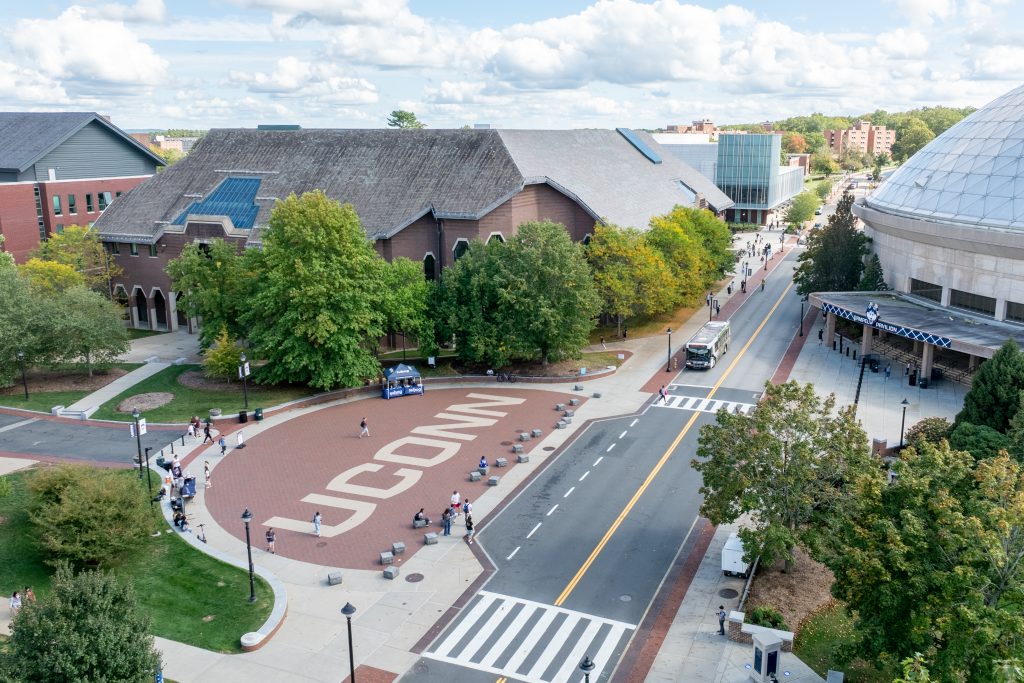
As the fall semester begins, recent UConn news highlights a significant milestone in USA university enrollment. The University of Connecticut is welcoming the Class of 2030, bringing approximately 7,400 new undergraduate students to its campuses. This influx includes about 6,400 first-year students and nearly 1,000 transfer students. The arrival of these students pushes UConn’s total undergraduate enrollment to almost 25,900 across all locations. Understanding these numbers provides valuable context for prospective students, parents, and educational professionals tracking higher education trends in the United States.
The movement of thousands of students onto campuses in Storrs, Hartford, Stamford, Waterbury, and Avery Point reflects a broader recovery and growth pattern for major public research universities. As residence halls fill up and academic departments finalize their rosters, the scale of UConn’s operations becomes clear. More than 21,000 of the total undergraduate population is based at the primary Storrs campus, while the remaining students occupy the regional campuses, each serving distinct geographic and academic needs within Connecticut.
Schedule a free consultation to learn more about the college admissions process.
Breakdown of the Class of 2030 Applicant Pool and Acceptance Rates
Gaining admission to a top-tier public university in the USA requires strategic preparation. The Class of 2030 at UConn earned their places in a highly competitive application pool that included approximately 60,000 applicants from around the globe. Of those accepted, about 4,500 first-year students are starting their academic careers at the Storrs campus, with the remaining 1,900 first-year students distributed among the regional campuses.
This distribution of students underscores the varying capacities and program offerings at each location. The Storrs campus, as the flagship institution, commands the largest share of the incoming class. However, the regional campuses are experiencing their own surges in popularity, driven by specialized programs, smaller class sizes, and increased housing availability. For high school students monitoring university enrollment data, these numbers illustrate the importance of applying to multiple campuses within a larger university system to maximize admission chances.
Academic Achievements of Incoming First-Year Students
The academic profile of the Class of 2030 demonstrates the high caliber of students choosing UConn. Among the incoming first-year undergraduates are 147 valedictorians and salutatorians of their respective high school graduating classes. Additionally, approximately 600 students accepted invitations to join the UConn Honors Program, a highly competitive track that demands rigorous academic standards.
University officials, including the Director of Undergraduate Admissions, have noted that this incoming group brings exceptional academic talent, curiosity, and ambition. The presence of top-ranking students from diverse high school environments indicates that UConn continues to successfully compete with private institutions for high-achieving applicants. For prospective students, this data highlights the necessity of maintaining a strong GPA, taking advanced placement or international baccalaureate courses, and demonstrating intellectual curiosity in their applications.
Regional Campuses Drive UConn’s Overall University Enrollment
While the Storrs campus often dominates the conversation, UConn’s regional campuses are critical components of the university’s enrollment strategy and overall accessibility. Each regional campus serves as a vital educational hub for its surrounding community, offering distinct advantages that attract a specific demographic of students.
Impact of New Housing at UConn Hartford and Stamford
UConn Hartford is experiencing a notable surge in university enrollment, directly correlated with the opening of its first student housing facility, the Pratt Street Residence Hall. The campus is welcoming about 685 new first-year students, a substantial increase from the approximately 490 newcomers the previous year. Overall, UConn Hartford expects to enroll more than 1,300 undergraduate students this fall, alongside a large population of master’s and professional degree students. The addition of student housing transforms Hartford from a commuter school into a residential college experience, a major draw for students seeking an urban environment.
UConn Stamford, the largest regional campus, continues to grow as well. Approximately 2,400 undergraduates will be enrolled at Stamford this semester, with more than 900 of them being first-year students. Expanded housing options at this location have also contributed to its ability to attract and retain students who want to study near the economic and corporate hubs of lower Connecticut and New York.
Submit your application today to begin your academic journey.
Enrollment at Waterbury and Avery Point
Smaller regional campuses also play an essential role in UConn’s ecosystem. UConn Waterbury is welcoming about 290 newcomers, bringing its total undergraduate enrollment to nearly 700. UConn Avery Point is enrolling more than 150 new students, resulting in a total undergraduate population of just over 400. These campuses offer tight-knit communities and specialized programs, particularly in maritime studies, environmental sciences, and community-focused disciplines. They provide an accessible entry point into the UConn system for students who prefer a smaller campus environment before potentially transitioning to Storrs.
Supporting First-Generation Students in Higher Education
A critical metric in modern USA university enrollment is the percentage of first-generation college students. At UConn, about 37% of the first-year students in the Class of 2030 across all campuses represent the first generation in their families to attend higher education. This statistic aligns with national trends where public universities serve as primary engines of social mobility.
UConn has invested heavily in resources specifically designed to support first-generation students. These initiatives include linking students with peer mentors, dedicated academic advisers, specialized clubs, and targeted academic services. The university’s First-Gen program aims to ensure that students who lack a family history of higher education do not lack the institutional support needed to succeed. The Dean of Students emphasizes that the university wants students to know they do not need to have everything figured out immediately, and that numerous offices and personnel are ready to help them navigate their college journeys.
This focus on belonging and retention is vital. Recruiting a diverse class is only the first step; ensuring those students persist through graduation requires sustained, intentional effort. Prospective first-generation students should actively research these support systems when evaluating colleges, as the availability of dedicated first-gen programs can significantly impact their academic success and mental well-being.
Have questions? Write to us in the comments section below!
What UConn’s Enrollment Numbers Mean for Prospective USA Students
Analyzing the enrollment data of a major university like UConn provides actionable insights for high school students preparing their applications. The fact that UConn received 60,000 applications for the Class of 2030 signals that competition for spots at top public universities in the USA remains fierce. Students cannot rely solely on strong grades; they must present a holistic application that showcases community involvement, leadership potential, and a clear narrative of who they are beyond their transcripts.
Furthermore, the geographic diversity of the Class of 2030—featuring students from 158 of Connecticut’s 169 towns, 48 states, and 78 countries—shows that admissions offices are actively building a heterogeneous student body. Applicants should highlight their unique backgrounds and perspectives, as universities actively seek to construct classes that represent a wide array of experiences.
The growth at regional campuses also presents a strategic opportunity for applicants. Students who may not meet the highly selective criteria for the Storrs campus can still gain admission to the UConn system through Hartford, Stamford, Waterbury, or Avery Point. Once enrolled, they can take advantage of UConn’s cross-campus registration policies and eventually transition to Storrs if they meet the academic requirements. Understanding the internal transfer pathways within a large university system is a valuable tactic for college admissions.
Explore our related articles for further reading on university enrollment trends.
Conclusion: Navigating the Competitive Landscape of USA University Admissions
The arrival of the Class of 2030 at UConn marks another successful enrollment cycle for one of the USA’s prominent public universities. With nearly 25,900 undergraduates, a highly accomplished incoming class, and expanding regional campuses, UConn continues to solidify its position as a major educational institution. The university’s ability to attract valedictorians, honor students, and a significant percentage of first-generation learners speaks to the strength of its academic offerings and support systems.
For prospective students, the takeaway is clear: preparation and strategic thinking are paramount. Researching the specific strengths of each campus, understanding the demographics of previously admitted classes, and identifying the support services available can give applicants a distinct advantage. As university enrollment patterns continue to evolve, staying informed about the latest data and trends is the most effective way to navigate the complex admissions landscape.
Share your experiences with the college application process in the comments below.