
Review Robert Orr’s Mental Toughness and Breakthrough Season in Pacific University Baseball News
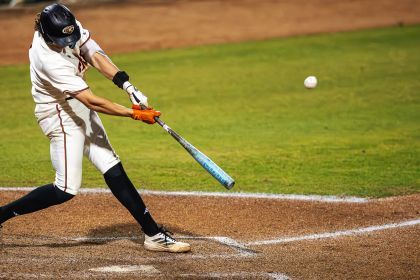
College baseball requires a distinct blend of physical precision and psychological resilience. Recent USA news highlights a compelling example of this balance through Robert Orr, a shortstop for the University of the Pacific baseball team. Wearing the No. 4 jersey—a number carried by his father and grandfather—Orr has transitioned from a early-season injury to becoming a primary offensive catalyst for the Tigers. His progression offers valuable insights for aspiring athletes, coaches, and sports enthusiasts on how disciplined recovery and mental toughness in USA sports can redefine a player’s trajectory.
Overcoming Early Adversity in Division I Athletics
Stepping onto the diamond at Klein Family Field as a freshman is a significant achievement. However, the transition to Division I athletics often comes with unforeseen physical demands. Just eight games into his initial season in 2025, Orr sustained a severe injury that required surgery, abruptly ending his year. For any competitor, a season-ending setback tests both physical limits and mental fortitude.
Instead of viewing the injury solely as a misfortune, Orr reframed the experience. He noted that the injury acted as a critical wake-up call regarding his training habits. Many young athletes fall into the trap of believing that more volume always equates to better performance. Orr’s situation highlights the inherent risks of overtraining and the importance of listening to physical cues before a breakdown occurs. Schedule a free consultation to learn more about balancing athletic training and academics.
The Reality of Season-Ending Injuries
The psychological impact of a sudden injury cannot be understated. Athletes invest countless hours into their craft, and when that is taken away, identity and confidence can falter. Mental toughness in USA sports is frequently tested not during moments of victory, but during periods of forced inactivity. The rehabilitation process requires an athlete to execute repetitive, often grueling exercises without the immediate reward of playing in a game. Maintaining focus through this monotony separates those who return to their baseline from those who come back stronger.
Reframing the Setback as an Opportunity
Orr’s decision to treat his rehabilitation as a strategic reset demonstrates a high level of competitive maturity. By assessing the root causes of his injury—specifically overtraining—he took ownership of his physical preparation. This proactive mindset allowed him to formulate a comprehensive plan alongside the Pacific training staff, ensuring his return would be built on a more sustainable foundation. Explore our related articles for further reading on college baseball statistics and player development.
Building Mental Toughness Through Structured Recovery
True recovery extends far beyond resting the affected limb. It requires a holistic approach that addresses nutrition, sleep, strength conditioning, and biomechanics. Orr’s breakout season in 2026 is a direct reflection of the systemic changes he made during his time off the field.
The Role of Balanced Training Regimens
Modern sports science emphasizes the concept of periodization—the systematic planning of training to reach the best possible performance at a specific time. Orr recognized that his previous routine lacked this balance. By adopting a regimen that alternates between high-intensity work and adequate recovery, he prepared his body to withstand the rigors of a demanding West Coast Conference schedule. This balanced approach not only prevented further injury but also optimized his energy levels for late-season games.
Collaborating with Training Staff
Athletes rarely succeed in isolation. Orr’s success is heavily attributed to his collaboration with the University of the Pacific’s training staff. Head Coach Reed Peters specifically praised Orr’s dedication to taking care of his body, highlighting his disciplined work in the weight room and his commitment to proper nutrition. When an athlete trusts the expertise of their support staff and executes the plan with precision, the results speak for themselves. This synergy between player and medical staff is a cornerstone of modern Pacific University baseball news. Share your experiences with overcoming athletic setbacks in the comments below.
Statistical Dominance and On-Field Production for Pacific University Baseball
The ultimate measure of a successful recovery is on-field performance. In his second year with the Tigers, Orr has not merely returned to form; he has elevated his game to become a team leader. His statistical output provides concrete evidence of his improved approach.
Key Performance Metrics This Season
Analyzing Orr’s 2026 season reveals a highly efficient and powerful offensive profile. Leading the team with a .307 batting average indicates consistent contact and an advanced approach at the plate. Furthermore, his 24 runs scored, 21 runs batted in (RBIs), and six home runs illustrate his ability to impact the game in multiple ways. Hitting six home runs from the shortstop position is particularly notable, as it demonstrates rare power for a middle infielder. These numbers firmly place him in the conversation among the top offensive players in the conference.
Coaching Perspectives on Athletic Versatility
Coach Reed Peters’ evaluation of Orr extends beyond standard statistics. Peters emphasized Orr’s athleticism and versatility, noting his “plus arm and plus power.” In baseball scouting terminology, a “plus” tool grades out as above average at the major league level, indicating that Orr possesses professional-caliber physical traits. However, Peters was most impressed by Orr’s pregame routines and off-field habits. This underscores a vital lesson for developing players: elite physical tools are only effective when supported by elite daily habits. Submit your application today if you want to compete at the Division I level.
The Broader Impact of Mental Toughness in USA Sports
While Robert Orr’s story is specific to University of the Pacific baseball, the underlying themes resonate across all USA news covering amateur and professional sports. The conversation around mental health and mental toughness in USA athletics has evolved significantly. It is no longer about simply “toughing it out” through pain; it is about making intelligent, informed decisions that prioritize long-term health and sustained performance over short-term gains.
Why Mental Resilience Separates Good from Great
At the collegiate level, the gap in physical talent between players is often minimal. The differentiating factor is frequently the mental game. Orr’s ability to earn West Coast Conference Player of the Week honors—following a stretch where he went 10-for-16 with a .625 batting average, two home runs, and five RBIs against Nevada and San Jose State—shows that he can maintain his mental edge under high-pressure circumstances. Hitting over .600 in a four-game stretch requires supreme focus, pitch recognition, and the ability to reset immediately after each at-bat.
Looking Ahead for the Pacific Tigers
As the regular season progresses, the Tigers face critical matchups. Hosting Cal mid-week and welcoming San Diego for a weekend series provides Orr and his teammates with an opportunity to solidify their standing. For fans following baseball news, these final home games at Klein Family Field are an excellent opportunity to observe a player who has fundamentally altered his athletic trajectory through sheer perseverance.
The trajectory of the Pacific University baseball program benefits greatly from having a player like Orr setting the standard for work ethic. His approach serves as a blueprint for incoming freshmen who must navigate the difficult transition to collegiate athletics. By prioritizing recovery, trusting the process, and maintaining a resilient mindset, Orr has proven that setbacks can be the very foundation of a breakthrough.
Apply These Lessons to Your Own Athletic or Professional Goals
Reviewing Robert Orr’s journey provides actionable takeaways that extend far beyond the baseball diamond. Whether you are a student-athlete, a professional navigating career challenges, or a coach leading a team, these principles of mental toughness remain highly applicable:
- Audit Your Routine: Regularly evaluate your training or work habits to ensure you are not overworking yourself to the point of diminishing returns. Efficiency and sustainability always outweigh sheer volume.
- Control the Controllables: Injuries and unexpected setbacks will happen. Focus your energy entirely on your response to the adversity, rather than the adversity itself.
- Leverage Expertise: Do not try to manage complex physical or mental challenges alone. Utilize the resources available to you, whether that means athletic trainers, academic advisors, or industry mentors.
- Focus on Process Over Outcome: Coach Peters praised Orr’s pregame routines, not just his hits. Commit to the daily process, and the statistical results will follow.
Mental toughness is not an inherent trait; it is a skill developed through deliberate practice and tested through adversity. Robert Orr’s 2026 season stands as a testament to what happens when an athlete combines physical talent with a relentless, intelligent approach to recovery. Have questions about sports psychology and recovery? Write to us!