Record Donor Support Powers Student Success at University of the Pacific in 2025-26
Philanthropy has reached a historic milestone at University of the Pacific, and its effects are being felt directly by students across all three of the university’s California campuses. During the 2025-26 academic year, more than 9,000 donors contributed nearly $63 million to Pacific, generating the second-highest fundraising total in the institution’s 175-year history. For current and prospective students, these figures translate into something tangible: more scholarships, expanded research opportunities, new learning facilities, and stronger safety nets for those facing financial hardship.
This news carries weight well beyond the Stockton campus. In an era when college affordability dominates headlines across the USA, Pacific’s results offer a compelling case study in how donor support and student success go hand in hand. Whether you are a prospective student weighing your options, a parent evaluating long-term value, or an alumnus considering a gift, understanding where this philanthropy flows—and who benefits—can help you make informed decisions about your own next steps.
If you are exploring universities that reinvest donor generosity directly into student outcomes, request more information about University of the Pacific to see how these initiatives could shape your own educational experience.
Why Donor Support Matters for Student Success in USA Higher Education
Across American higher education, philanthropy has become an essential complement to tuition revenue and state funding. Private universities in particular rely on charitable giving to keep education accessible, fund facilities that would otherwise take decades to build, and launch programs that address regional and national needs.
University of the Pacific’s 2025-26 results illustrate this dynamic clearly. Nearly 4,000 of the 9,000-plus donors were giving to Pacific for the first time, a signal that the university’s mission is resonating with a widening circle of alumni, friends, and community partners. President Christopher Callahan emphasized that every gift—regardless of size—represents a personal investment in the university’s future.
For students, the practical meaning of donor support is straightforward. It shows up as a scholarship that reduces loan debt, a funded research position that strengthens a graduate school application, or a renovated residence hall that improves daily campus life. The scale of Pacific’s recent fundraising means all of these forms of support grew simultaneously rather than one at the expense of another.
A Record Year for Giving: The Numbers Behind the Momentum
Several headline figures define Pacific’s 2025-26 philanthropic performance:
- Nearly $63 million in total philanthropic support, the second-highest annual total in university history
- More than 9,000 donors, including nearly 4,000 first-time contributors
- Scholarships for more than 1,800 students, an increase of nearly 300 students over the previous year
- $3.1 million raised during Pacific Gives, the university’s annual day of giving, with new donors making up nearly half of all participants
Vice President for Development and Alumni Relations Scott Biedermann ’05, ’20 noted that growth in participation matters as much as growth in dollars. When more alumni and friends join the effort, the university gains a broader, more resilient base of advocates who can sustain momentum through economic cycles. That breadth of participation, he explained, reflects a growing recognition that a Pacific education changes lives and is worth sustaining for future generations.
Scholarships: The Most Direct Path from Philanthropy to Student Success
No form of donor support affects individual students more immediately than scholarship funding. During the 2025-26 year, philanthropy underwritten scholarships for more than 1,800 Pacific students—a year-over-year increase of nearly 300 recipients.
The impact is best understood through student voices. Luis Torres Gutierrez ’26 described his scholarship as more than a financial transaction, calling it “a reminder that there are people who believe in students like me and in the power of education to change lives.” His experience reflects a pattern common across donor-funded aid: financial relief reduces the need for excessive part-time work and loans, while the psychological encouragement of being chosen often motivates recipients to persist through academic challenges.
For families comparing college costs in the USA, scholarship capacity is a critical data point. Institutions with robust donor pipelines can often close the gap between sticker price and what a student actually pays, making private university attendance far more attainable than published tuition figures suggest.
Beyond Financial Aid: Funding Research, Global Learning, and Career Exploration
Donor support at Pacific extends well beyond tuition assistance. Throughout the year, philanthropic gifts enabled students to:
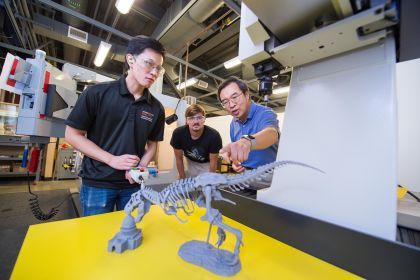
- Conduct innovative undergraduate and graduate research, presented publicly at events such as the Summer Scholars Symposium
- Participate in immersive study abroad experiences, including a first-year global learning program in Chile
- Explore prospective career paths through funded trips, such as a professional development visit to New York City
- Pursue co-curricular passions, including the Pacific forensics team’s top-five finish at a national competition
These experiences matter in a competitive job market. Employers consistently rank hands-on experience, communication skills, and global awareness among the qualities they seek in graduates. Donor-funded experiential learning ensures that access to these opportunities is not limited to students who can personally afford them—broadening the benefits of a Pacific education across socioeconomic lines.
Meeting Basic Needs: Food Security and Emergency Aid
One of the most consequential—and often overlooked—applications of donor support is meeting students’ basic needs. College food insecurity has become a recognized challenge at institutions across the USA, and Pacific has responded with donor-funded infrastructure.
Last year, nearly 300 students visited the Pacific Food Pantry, and close to 100 students received emergency aid to cover unforeseen expenses such as medical bills, car repairs, or sudden housing disruptions. These programs act as retention tools: students who face a financial crisis mid-semester are far more likely to stay enrolled and graduate when a safety net exists.
For prospective students and families, the presence of these services is worth noting during campus visits. Questions about food pantries, emergency grant funds, and basic-needs support are increasingly part of a thorough college evaluation process.
Transformative Capital Projects Shaping the Campus Experience
Philanthropy also funded major facilities that will serve students for decades. Among the most significant projects advanced or completed during the 2025-26 cycle:
Southwest Hall
The newly completed Southwest Hall now houses nearly 400 students in a modern residential environment. Quality housing directly influences student satisfaction, belonging, and persistence—key ingredients of long-term student success.
Jie Du Inn
Progress advanced on the Jie Du Inn, a hospitality property that will operate in collaboration with students from the Eberhardt School of Business, giving undergraduates real-world operational experience in hotel management and guest services.
Student-Athlete and Sports Medicine Center
Donors broke ground on a student-athlete and sports medicine center that will provide training, rehabilitation, and nutritional support for Pacific’s 21 Division I athletic teams, benefiting hundreds of student-athletes each year.
San Francisco Dental Care Facilities
On the San Francisco campus, philanthropy supported an ambulatory surgery center and multidisciplinary advanced care clinics that will deliver dental care to special needs populations throughout California—allowing dental students to serve communities with acute access challenges while completing rigorous clinical training.
As Biedermann observed, donors are “not just helping to build buildings—they’re providing spaces and experiences that will equip students to make a difference in the world.”
The School of Medicine Campaign and Central California’s Physician Shortage
Perhaps the most ambitious initiative funded by this surge in giving is Pacific’s planned School of Medicine, slated to open on the Stockton Campus in 2030. In May, the university launched a $150 million campaign to establish the school, and early gifts were instrumental in driving the broader fundraising surge across campus.
The medical school addresses a pressing regional need: central California faces a critical physician shortage, and training doctors within the region increases the likelihood they will practice there. For students considering health careers, the project signals Pacific’s commitment to building a full pipeline of medical education alongside its established pharmacy, dental, and health sciences programs.
To learn how you can contribute to this campaign or other student-focused initiatives, contact Scott Biedermann at 209.946.2166 or [email protected]. Gifts at every level accelerate the timeline for programs that will serve both students and the broader community.
Pacific Gives: How a Single Day Generated Record Participation
Pacific’s annual day of giving, held each April, offers a useful model for how institutions can energize their communities. The 2025-26 edition raised a record-breaking $3.1 million, with new donors comprising nearly half of all participants.
The success of the event rested on a deliberate focus: directing gifts toward student experiences rather than abstract institutional priorities. When donors can see the connection between their contribution and a specific outcome—a study abroad seat, a research stipend, a pantry shelf stocked—participation rises. Other universities and nonprofit organizations studying fundraising best practices will find in Pacific’s results a reminder that participation growth often precedes and enables dollar growth.
What These Developments Mean for Prospective Students and Families
If you are evaluating universities in the USA, Pacific’s 2025-26 record offers several practical takeaways:
- Check scholarship growth, not just scholarship totals. A nearly 300-student increase in scholarship recipients in a single year suggests genuine expansion of access, not just larger awards to a fixed pool.
- Look for funded experiential learning. Donor-supported research, study abroad, and career programs signal that opportunities are distributed broadly rather than reserved for those who can pay.
- Ask about basic-needs support. Food pantries and emergency aid funds are markers of an institution that plans for student setbacks.
- Consider momentum. New residence halls, a forthcoming medical school, and expanded athletics facilities indicate an institution investing in its next chapter—which benefits students who enroll now.
To experience these investments firsthand, schedule a visit to one of Pacific’s three campuses in Stockton, Sacramento, or San Francisco and see the new facilities and programs in person.
Sustaining Momentum: The Role of Alumni and Community Partners
University leadership has been explicit that the 2025-26 record is a foundation, not a finish line. Maintaining a 175-year tradition of innovation requires ongoing participation from the Pacific family—alumni, parents, faculty, staff, and community friends. President Callahan’s gratitude for first-time donors underscores a strategic truth: every new contributor expands the circle of people invested in student success.
For readers connected to Pacific—or simply interested in higher education philanthropy—the path to involvement is accessible. Annual funds, scholarship endowments, program sponsorships, and giving-day participation all channel resources directly to students. Even modest gifts compound when thousands of people participate, as this year’s results demonstrate.
Stay informed about future milestones and campus developments by following the Pacific Newsroom and subscribing to the university newsletter for regular updates on student success stories and philanthropic initiatives.
A Broader Lesson in Philanthropy and Student Success
University of the Pacific’s 2025-26 fundraising record is ultimately a story about alignment. Donors gave because they believed in a mission; the university directed those gifts toward scholarships, facilities, basic needs, and new academic programs; and students received the resources to persist, graduate, and contribute to their communities. In a national conversation often focused on the rising cost of college, Pacific’s experience demonstrates that philanthropy remains one of the most effective tools for expanding opportunity.
Have questions about how donor support could shape your own Pacific journey, or an experience with a donor-funded program you would like to share? Reach out to the university directly or share your perspective—conversations like these help sustain the momentum that benefits students for generations to come.