Pursue Community Education and Librarianship at Simmons University SLIS
Redefine the Role of Informal Educators in Public Libraries
Modern libraries have evolved far beyond their historical reputation as quiet repositories of books. Today, they function as dynamic hubs for community education, staffed by professionals who act as informal educators. Consider the daily operations of a local institution like the Grafton Public Library. On any given day, a reference librarian might help a teenager select a summer reading list, assist a patron in locating an obscure horror novel, or teach a community member how to operate a public scanner or fax machine. These interactions represent a distinct, highly valuable form of education that occurs outside the traditional classroom setting.
Sarah Leveille, a reference librarian at the Grafton Public Library and a graduate of Simmons University, emphasizes that this informal education aspect is what draws many professionals to the field. Rather than delivering structured lectures, librarians facilitate learning by connecting individuals with the precise information they need at the exact moment they need it. This method of teaching builds foundational literacy, supports lifelong learning, and fosters a deeper connection between the library and the residents it serves. For those looking to make a tangible impact on local education, librarianship offers a direct pathway to community enrichment.
Explore our related articles for further reading.
Apply Simmons University SLIS Curriculum to Daily Practice
Making the transition from an interest in history to a viable career in library science requires targeted academic training. The Master of Library and Information Science (MS) program at Simmons University School of Library and Information Science (SLIS) provides students with a comprehensive understanding of both the theoretical and practical aspects of the field. The curriculum is specifically designed to address the societal questions surrounding library science while equipping students with hands-on skills.
For example, foundational courses such as Information Sources and Services challenge students to examine how information is organized, disseminated, and consumed by various communities. This course often resonates with students who are passionate about community engagement, as it directly translates to the reference desk work required in public libraries. Furthermore, specialized classes like Storytelling help students develop essential public speaking and program-planning skills. By practicing narrative techniques, future librarians learn how to captivate audiences of all ages, turning a simple reading session into an engaging educational experience. These courses ensure that graduates are prepared to handle the multifaceted demands of modern librarianship.
Schedule a free consultation to learn more.
Manage and Curate Collections for Community Needs
An essential, yet often overlooked, component of community education is collection development and management. A library’s collection must accurately reflect the informational and recreational needs of its specific population. Through courses like Collections Development and Management at Simmons SLIS, students learn how to systematically review existing holdings, identify outdated materials, and responsibly deaccession items that no longer serve the public.
This academic training has immediate, practical applications. Shortly after completing her coursework, a graduate can apply these methodologies to audit a non-fiction collection at a local library. By removing obsolete scientific texts or outdated historical analyses and replacing them with current, accurate resources, librarians actively maintain the integrity of the information available to their communities. Effective collection management ensures that the library remains a reliable tool for education, empowering patrons to trust the materials they borrow. It is a continuous, behind-the-scenes process that fundamentally shapes the quality of service a library provides.
Analyze Intellectual Freedom and Book Bans in USA News
One of the most pressing issues in contemporary USA news is the rising tide of book bans across the country. For library science students and professionals, this is not merely a theoretical debate; it is a practical challenge that requires a well-informed, strategic response. Book banning directly threatens intellectual freedom and disproportionately affects marginalized communities, including people of color and LGBTQ+ individuals.
During their graduate studies, prospective librarians can dedicate independent study projects to researching this critical issue. Analyzing the legal theories behind book challenges, compiling relevant statistics, and studying the psychological and social impacts of censorship are all crucial steps in building a defense against intellectual restriction. Librarians have a professional obligation to ensure that all community members can find literature where they see themselves reflected. By creating accessible, plain-language resources that explain complex concepts like systemic racism and hermeneutic injustices—where changes in language disrupt meaningful conversations with marginalized groups—library professionals can build bridges and foster wider community awareness. Addressing these USA news topics head-on prepares librarians to be vocal advocates for equity and free expression.
Develop Specialized Subject Guides for Patron Research
A highly effective method for supporting education and mitigating the spread of misinformation is the creation of LibGuides. A LibGuide is a digital, subject-specific research tool that curates background information, links to credible resources, and practical advice for patrons. Academic and public libraries use these guides to introduce researchers to complex topics efficiently.
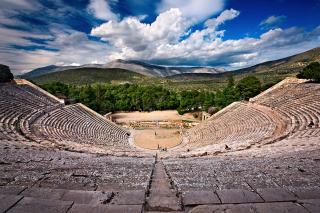
Graduate students can leverage their unique undergraduate backgrounds to create specialized guides. For instance, a student with a background in classical civilizations might develop a comprehensive guide on Ancient Greek Drama. Such a resource can categorize available translations, provide annotated bibliographies of recent scholarship, and link to video clips of performances. By tailoring these digital tools to specific audiences—whether they are high school students, local theater enthusiasts, or academic researchers—librarians demonstrate how specialized knowledge can be synthesized into accessible community education resources. Simultaneously, creating guides on urgent topics like book banning equips the public with factual data to counter localized censorship efforts.
Build Leadership Skills for Future Library Directors
While many enter the field focused on direct patron interaction, a master’s degree in librarianship also serves as a foundation for library leadership and management. Programs that offer regional partnerships, such as the SLIS West initiative with Greenfield Community College, expose students to the diverse operational realities of libraries in smaller towns and rural areas. Understanding the unique challenges faced by libraries outside of major metropolitan centers is vital for the future of the profession.
These extended learning experiences often inspire students to envision themselves in executive roles, such as library directors. Leadership in this sector requires a firm grasp of budgeting, strategic planning, staff management, and cataloging standards. By studying these administrative elements, professionals gain the confidence necessary to oversee entire library systems. The transition from a reference librarian to a library director becomes a logical, achievable career progression rather than an insurmountable leap. Developing this broad operational perspective is essential for anyone who wishes to shape the future direction of community education at the institutional level.
Take the Next Steps in Your Library Career
The field of librarianship offers a unique intersection of academic research, community service, and informal teaching. Whether you are passionate about curating diverse collections, defending intellectual freedom against the trends highlighted in recent USA news, or simply helping a neighbor learn to use a new piece of technology, a career in a public library provides a concrete way to contribute to society. The training provided by advanced degree programs equips you with the technical skills and the managerial perspective needed to succeed.
If you want to step into a role that serves as the educational backbone of a community, consider advancing your qualifications. The skills you develop will not only enhance your professional standing but will directly improve the resources available to your patrons.