McGeorge School of Law Estate Gift Establishes Scholarships for Future Lawyers in the USA
A Lasting Commitment to Legal Education in the USA
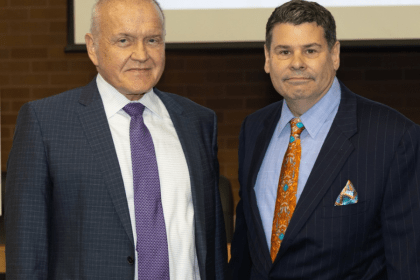
Few announcements in legal education news carry the long-term weight of a well-structured estate gift. The University of the Pacific recently shared that Mark Drobny, a distinguished alumnus of McGeorge School of Law, has directed a gift of more than $1 million to the institution through his estate. Announced at the Sacramento Estate Planning Council Forum held on Pacific’s Sacramento Campus, the commitment will fund scholarships that open the door to legal education for students who might otherwise struggle to afford it.
The story matters for several audiences at once. Prospective law students gain a clearer picture of how scholarships can reduce the cost of a Juris Doctor degree. Current students see proof that the legal community invests in its future members. And alumni across the USA receive a practical example of how a bequest—one of the simplest planned giving tools—can create opportunity for generations.
If you are considering a legal career and want to understand how scholarships and financial aid fit into your planning, request information from McGeorge School of Law to speak with an admissions advisor about your options.
From Student to Benefactor: The Mark Drobny Story
Mark Drobny’s connection to McGeorge School of Law runs deep. After completing his undergraduate studies at the University of Iowa in 1977, he earned his Juris Doctor from McGeorge in 1980 and followed it with a Master of Laws (LL.M.) in Taxation in 1981. That advanced training in tax law laid the groundwork for a career that would make him one of California’s most recognized estate planning attorneys.
In 1989, Drobny founded Drobny Rosenthal Law Offices PC, a firm that has since grown to seven cities across California. Over more than 45 years in practice, he estimates he has written roughly 25,000 estate plans and represented executives from leading companies including Apple, Gap, Tesla, BioMarin, Bill.com, and Target. He has delivered approximately 1,500 presentations on estate planning and has served as a Judge Pro Tem for the Sacramento Superior Court’s Probate Division for more than two decades.
His work has earned him a memorable nickname in professional circles: the godfather of pet trusts. As Drobny notes, some of the most interesting stories in estate planning emerge from what clients choose to do with their assets—including those who have left millions of dollars to their pets.
Yet behind the professional accomplishments lies a simpler motivation for his generosity. I would not have made it through college or law school without scholarships, Drobny explained when the gift was announced. His decision to give back reflects a principle he articulates plainly: when life has been good to you, it is important to give back while you are still alive and through your estate when you die.
How the Estate Gift Will Fund Scholarships
The gift establishes two distinct scholarships, each addressing a different stage of the law school journey.
The Mark S. Drobny 1L Incoming Students Scholarship
This scholarship supports entering first-year JD students at McGeorge School of Law who demonstrate financial need. Its placement at the very start of a student’s legal education is strategic. The first year of law school is often when financial pressure is most intense—students have typically left jobs, taken on new living costs, and cannot yet rely on the higher earning potential that comes with a law degree. Reducing the burden at this stage allows students to immerse themselves fully in a demanding curriculum rather than dividing their attention between coursework and financial stress.
The Mark S. Drobny Endowed Scholarship
The second scholarship serves continuing students who intend to practice in trust, estate, probate, and estate administration. This focus is no accident. It reflects both Drobny’s professional specialty and a genuine need within the field. As wealth transfers across generations accelerate in the coming years, demand for qualified estate planning attorneys continues to grow. By directing support to students committed to this practice area, the scholarship strengthens the pipeline of professionals equipped to handle an increasingly complex body of law.
Dean of McGeorge School of Law Michael T. Colatrella Jr. described the gift as extremely generous and meaningful, noting that it allows students to focus on their studies instead of worrying about how they will pay for law school. University President Christopher Callahan added that Drobny’s commitment demonstrates the profound impact alumni can have on future generations, opening doors and creating opportunities for talented students for years to come.
Why Scholarships Matter in Legal Education Today
The cost of legal education in the USA has risen substantially over the past few decades, and student debt has become one of the profession’s most discussed challenges. Many law graduates begin their careers carrying significant educational debt, a burden that influences everything from the practice areas they choose to the communities they can afford to serve.
Scholarships address this problem at its source. When a student receives scholarship support:
- Debt loads decrease. Graduates gain flexibility to pursue public interest work, government positions, or lower-paying but meaningful roles without being driven exclusively by loan repayment pressure.
- Access widens. Talented candidates from less affluent backgrounds can consider law school realistic rather than out of reach, strengthening diversity within the profession.
- Academic performance improves. Students who spend fewer hours working to cover expenses can dedicate more time to coursework, clinics, and professional networking.
- Career choices expand. Reduced financial pressure allows new lawyers to make decisions based on long-term professional goals rather than immediate cash flow.
Gifts like Drobny’s also send a signal to prospective students that the McGeorge community—alumni, faculty, and administration—actively works to make legal education attainable. That message matters when applicants compare schools and weigh cost against quality.
For those evaluating law schools now, financial aid should be part of the conversation from the start. Schedule a visit to McGeorge School of Law to meet current students, sit in on classes, and ask direct questions about how financial support works at each stage of the program.
Planned Giving Explained: How a Bequest Creates a Legacy
Drobny’s gift also offers a timely refresher on planned giving—an area he knows professionally better than almost anyone. A bequest is, at its core, a provision in a will or trust that directs assets to a beneficiary, which can be a family member, a charity, or an institution such as a university.
The appeal of bequests lies in their flexibility and simplicity:
- They preserve lifetime assets. Donors can maintain financial security during their lives while still supporting causes they care about after their passing.
- They can be modified. Unlike some irrevocable gifts, a bequest can typically be revised as circumstances change.
- They allow targeted support. Donors can direct gifts to specific purposes—such as the two named scholarships Drobny established—ensuring their money advances the work that matters most to them.
- They may offer estate advantages. Depending on the structure, charitable bequests can reduce the taxable value of an estate while supporting a mission the donor believes in.
For Drobny, whose career centers on helping others plan their estates, the gift represents his own advice put into practice. It is a fitting full-circle moment: the man who has guided thousands of clients through estate planning has structured his own legacy to fund the education of those who will one day carry the profession forward.
Lessons for Aspiring Lawyers and Alumni Alike
For Aspiring Law Students
First, research scholarship opportunities early and thoroughly. Many schools, including McGeorge School of Law, offer merit-based and need-based awards, and eligibility criteria vary widely. Apply even when requirements seem competitive—the Drobny scholarships themselves exist because a student once needed and received similar help.
Second, consider how your intended practice area might align with targeted funding. Specialized scholarships, like the one supporting future estate planners, reward students who can articulate a clear professional direction.
Third, remember that your own giving journey may begin sooner than you think. Alumni who establish modest recurring gifts or remember their alma mater in an estate plan create benefits that compound over time.
For Alumni and Practicing Attorneys
If legal education shaped your career, a planned gift is one of the most direct ways to extend that opportunity to others. Whether your interest lies in scholarships, clinical programs, faculty support, or facilities, development professionals can help structure a gift that matches your financial situation and philanthropic goals. Contact the University of the Pacific’s development team to discuss how a bequest or other planned gift could support the next generation of lawyers.
Strengthening the Sacramento and National Legal Community
The setting of the announcement—the Sacramento Estate Planning Council Forum—underscores another dimension of the story. Drobny has been a member of the Council since 1982, served on its Board of Directors for eight years, and held its presidency from 1992 to 1993. His decades of engagement with professional organizations demonstrate how individual careers and institutional ties reinforce one another.
For McGeorge School of Law, whose Sacramento Campus anchors its presence in California’s capital, the estate gift strengthens an already deep connection to the region’s legal and civic community. For the broader landscape of legal education in the USA, it adds to a growing record of alumni-funded scholarships that help schools remain accessible amid rising costs.
As the legal profession confronts questions about access, debt, and the pipeline from classroom to courtroom, stories like this one offer a practical template: one alumnus, one estate gift, two scholarships—an equation that will shape careers for decades.
Take the Next Step
Whether you are a prospective student exploring JD programs, a current student seeking financial support, or an alumnus considering your own legacy, resources exist to help you act on what this news represents. Prospective students can submit an application or connect with admissions to learn about JD, LL.M., and dual-degree options. If this story resonates with you, share your perspective in the comments below, or subscribe to the University of the Pacific newsletter to stay informed about further news from McGeorge School of Law and its community.