
CSUSM Career Center Leads $1M Workforce Development Initiative to Boost Youth Employment in the USA
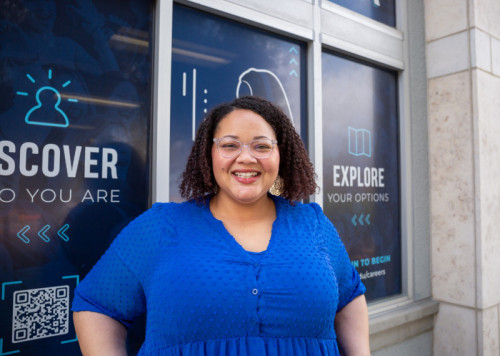
The transition from the classroom to the professional world presents significant challenges for many young adults. Recognizing the complexities of this transition, Cal State San Marcos (CSUSM) has announced a major step forward in supporting local students. The CSUSM Career Center is joining a $1 million regional workforce development initiative designed to provide comprehensive career preparation, paid learning experiences, and clear pathways to employment for young people in North County and beyond. Have questions? Write to us!
Addressing the Youth Employment Gap in the USA
Youth employment in the USA remains a critical focal point for educators, policymakers, and business leaders. While national unemployment rates often fluctuate, young workers between the ages of 14 and 21 consistently face higher barriers to entry compared to their older counterparts. These barriers are not solely related to a lack of technical skills; they often stem from a lack of professional networks, limited access to foundational work experiences, and financial constraints that make unpaid internships impossible.
To effectively address the youth employment gap, localized and coordinated efforts are required. Broad, one-size-fits-all federal programs often fail to address the specific economic realities of distinct regions. In San Diego County, the economic landscape is diverse, driven by biotechnology, healthcare, tourism, and a growing technology sector. A specialized approach to workforce development ensures that young people are being trained for the actual jobs available in their immediate geographic area. This new $1 million initiative represents a targeted, data-informed approach to solving a persistent national problem at the local level.
How the Regional Workforce Partnership Operates
Large-scale workforce development requires collaboration across multiple educational and civic institutions. This initiative is funded through the Workforce Innovation and Opportunity Act (WIOA) and is administered by the San Diego Workforce Partnership. Rather than a single entity attempting to manage the entire scope of the project, the funding is distributed strategically across a coalition of educational partners.
San Diego State University (SDSU) serves as the lead institution for the overall grant, while CSUSM receives a funded subaward specifically designated to lead the implementation efforts in North County. This structure ensures that the unique needs of North San Diego County are addressed by an institution deeply embedded in the local community. The regional partnership also includes the San Diego Community College District, Grossmont-Cuyamaca Community College District, San Diego Unified School District, and Southwestern College. By spanning K-12 districts, community colleges, and four-year universities, the initiative creates a seamless pipeline that supports students at every stage of their educational journey, rather than isolating services to a single demographic.
Prioritizing Students Facing Barriers to Career Opportunities
A defining feature of this workforce development initiative is its explicit focus on equity. Traditional career services often inadvertently favor students who already possess significant advantages—such as stable housing, familial professional networks, and financial safety nets. This program flips that dynamic by prioritizing young people who face systemic barriers to education and employment.
Eligible participants include low-income students, students with disabilities, former foster youth, English learners, justice-involved youth, and students experiencing housing or food insecurity. By directing resources toward these specific populations, the CSUSM Career Center and its partners are working to level the playing field. For a former foster youth aging out of the system, or a low-income student working a part-time job just to afford groceries, the concept of taking an unpaid internship to build a resume is often an impossibility. This initiative acknowledges that providing career opportunities requires first addressing the basic needs and systemic obstacles that prevent vulnerable youth from participating in traditional professional development programs. Schedule a free consultation to learn more about how these support services work.
The Impact of Paid Skill Development
Perhaps the most immediately tangible benefit of this initiative is the financial compensation attached to workforce-development activities. Eligible participants can earn $30 per hour while completing approved skill-building and work-based learning experiences. This compensation structure is a deliberate strategy to remove the financial barriers that typically exclude low-income students from career-building opportunities.
Paid skill development changes the calculus for young people. Instead of choosing between earning a wage at a traditional part-time retail job and gaining valuable career experience, students can do both simultaneously. This allows them to build their resumes, develop professional competencies, and network with employers without sacrificing their financial stability. The activities funded through this initiative include career exploration workshops, technical skill development courses, and direct work-based learning placements. By compensating students for their time and effort, the program validates their participation and treats career preparation as legitimate, valuable work.
Building a Comprehensive Support Ecosystem at CSUSM
According to Yasmine Farley, director of the CSUSM Career Center, this investment allows the university to move beyond simply connecting students to job boards. Instead, the goal is to provide comprehensive support that can alter a student’s long-term career trajectory. The initiative integrates directly into the existing Career Center infrastructure, leveraging established relationships with local employers, community colleges, and K-12 partners throughout North County.
Participants receive individualized career navigation and mentoring. This means a 16-year-old high school student or a 21-year-old university student can receive personalized guidance tailored to their specific interests, skills, and circumstances. Furthermore, CSUSM integrates existing campus resources—such as academic advising, counseling, and basic needs services—into the program. If a student is struggling with housing insecurity or food insecurity, those issues are addressed concurrently with their career development. This holistic approach recognizes that professional success is inextricably linked to personal well-being and academic stability.
Preparing for an AI-Integrated Workforce
While the program addresses immediate employment needs, it also looks toward the future of work in the USA. The regional economy is increasingly driven by technology, and employers are actively seeking candidates who can navigate an AI-integrated workforce. The skill development components of this initiative are designed to reflect these evolving industry demands.
By collaborating closely with regional employers, CSUSM ensures that the work-based learning experiences and technical training offered through the grant align with current and future market needs. Students are not just learning how to write a resume; they are developing the critical thinking, technical literacy, and adaptability required to thrive in modern workplaces. For North San Diego County, this initiative represents a strategic investment in the local economy. By cultivating a pipeline of skilled, work-ready young adults, CSUSM is strengthening the transition from education to meaningful employment, ultimately benefiting the broader regional business community.
Taking the Next Step in Workforce Development
The $1 million workforce development initiative spearheaded by the San Diego Workforce Partnership, SDSU, and CSUSM illustrates the power of regional collaboration in solving complex economic challenges. By focusing on youth employment, prioritizing vulnerable populations, and offering paid skill development, the program sets a high standard for how universities can serve as economic engines for their communities.
For students, parents, and educators in North County, this initiative provides a clear, accessible pathway to professional success. The message from the CSUSM Career Center is clear: systemic barriers to employment can be dismantled when the right resources, partnerships, and funding are aligned. Submit your application today to see if you qualify for this program. If you want to understand more about the broader context of university-driven economic initiatives, explore our related articles for further reading.