
Apply Artificial Intelligence to Real-World Challenges Through Pace University Internships
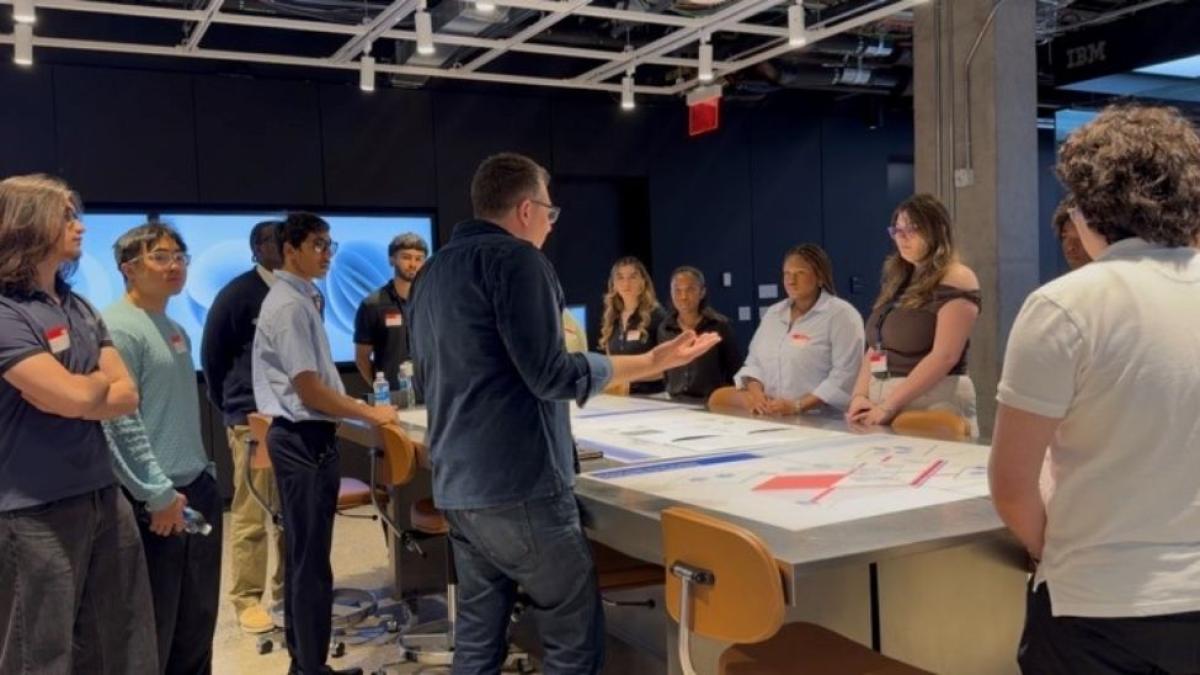
The technology sector in the USA currently demands more than foundational coding knowledge; it requires professionals who can actively apply artificial intelligence to complex, real-world challenges. Recognizing this industry shift, the Seidenberg School of Computer Science and Information Systems at Pace University recently concluded its 2026 AI Internship Experience. This intensive two-week program provided students with a structured environment to build tangible AI projects, engage with industry leaders, and develop the problem-solving skills necessary for modern tech careers.
For prospective students and current undergraduates evaluating computer science programs, understanding how a university bridges the gap between classroom theory and practical application is essential. Pace University addresses this by prioritizing experiential learning, ensuring students graduate with a resume that demonstrates actual capability rather than just theoretical understanding. Schedule a free consultation to learn more about how these programs are structured.
The Growing Demand for Practical AI Experience in the USA
Employers across the United States are actively seeking candidates who possess hands-on experience with emerging technologies. While traditional lectures and textbook exercises build a necessary baseline of knowledge, they rarely replicate the ambiguity and collaborative nature of a professional tech environment. Students who only engage with sanitized, well-defined problems often struggle when they enter the workforce and encounter messy data sets, shifting project requirements, and open-ended objectives.
Participating in focused AI internships allows students to close this experience gap. By working on AI projects that lack straightforward answers, students learn to iterate, test, and refine their approaches. This practical application of artificial intelligence is precisely what hiring managers look for when reviewing candidates for software engineering, data science, and cybersecurity roles. Pace University structures its curriculum around this reality, ensuring that students do not just study AI, but actively practice it.
Inside the Pace University AI Internship Structure
The 2026 AI Internship Experience, now in its third year, was designed to simulate a professional working environment. Led by Seidenberg computer science professor Matthew Ganis, PhD, the program moved away from traditional pedagogical models. Instead of providing students with step-by-step instructions, the internship required participants to navigate uncertainty and develop their own frameworks for success.
Fostering Cross-Campus Collaboration
Hosted on the Pleasantville Campus, the program brought together students from both the New York City and Westchester locations. In the professional world, software development and AI deployment are rarely solitary endeavors; they require cross-functional and geographically distributed teamwork. By mixing students from different campuses, Pace University forced participants to adapt to new group dynamics, share diverse perspectives, and build professional networks outside their immediate peer groups.
As Professor Ganis noted, meeting fellow Seidenberg students and engaging in cross-campus collaboration is a central component of the experience. Building these connections early prepares students for the distributed nature of modern tech companies, where teams frequently collaborate across different time zones and office locations.
Embracing Professional Ambiguity
A defining characteristic of this internship was its deliberate lack of rigid instructions. Professor Ganis emphasized that in a real internship or job, professionals are rarely handed a detailed playbook. They are given a problem and expected to figure out a viable solution. By adopting this philosophy, the Pace University program forced students to take ownership of their learning.
Students had to research applicable AI models, determine the best programming languages for their specific tasks, and troubleshoot errors without a safety net. This method builds resilience and critical thinking. When students eventually enter the job market, they are already accustomed to the discomfort of not knowing the exact next step, allowing them to remain productive and proactive under pressure.
Executing AI Projects with Tangible Outcomes
Throughout the two-week program, students worked in teams to develop AI-powered solutions aimed at addressing practical issues. These were not hypothetical exercises; they were condensed versions of the types of AI projects that exist in the commercial sector. Teams had to divide labor, manage their time, and integrate individual components into a cohesive final product.
The internship culminated in final presentations where students showcased their developed projects and articulated the technical skills they acquired. Presenting technical work to an audience is a critical skill that is often overlooked in traditional computer science education. By requiring students to defend their design choices, explain their methodologies, and demonstrate their final products, Pace University ensures that graduates can communicate complex technical concepts clearly to stakeholders. Submit your application today to start building your own portfolio of tangible tech projects.
Gaining Direct Industry Exposure at IBM’s Think Lab
Academic projects gain significant value when contextualized within the broader industry landscape. To provide this context, the AI internship included a field visit to IBM’s Think Lab in Yorktown Heights. This facility represents one of the corporation’s premier research centers, focusing heavily on artificial intelligence, quantum computing, and next-generation computational frameworks.
For students working on their own AI projects, seeing the scale and focus of enterprise-level research is highly instructive. The visit allowed interns to connect the conceptual frameworks they were using in the classroom with the cutting-edge hardware and software being developed by industry leaders. Exposure to environments like the IBM Think Lab helps students understand the trajectory of AI technology and identifies potential career paths they may not have previously considered, from quantum algorithm research to enterprise AI deployment.
Reframing AI as a Collaborative Tool
One of the most significant outcomes of the internship was a shift in how students perceived artificial intelligence. Public discourse often frames AI as a disruptive threat to job security. However, the hands-on experience at Pace University helped students view the technology as an assistant and a collaborative tool rather than a replacement for human workers.
Brianna Ganesh, a computer science major, noted that the internship taught her not to fear AI, but to actively participate in its development and integration. Understanding that AI can function as a tool to augment human capability is a crucial mindset for future software developers. Similarly, Lucio DiGiacomo, a cybersecurity major, highlighted the practical benefits of learning to use AI efficiently to solve everyday problems, recognizing that these skills will be applicable throughout his entire career.
Andres Arroyave, another first-year student, reinforced this perspective by describing AI as a “friend” to users and workers. This reframing is vital. When students approach AI projects with a mindset of collaboration rather than competition, they are more likely to identify innovative ways to integrate AI into existing workflows, making them more valuable to future employers. Explore our related articles for further reading on how AI is reshaping the tech industry.
Building a Competitive Resume for the Tech Industry
The ultimate goal of the Seidenberg School’s internship programs is employability. Professor Ganis explicitly stated that his role is to help students secure employment by giving them unique, substantive experiences to put on their resumes. In a highly competitive job market, a degree alone is rarely sufficient to capture a hiring manager’s attention.
When a student can point to a specific AI project they built during a dedicated internship, explain the real-world challenges they faced, and describe how they overcame those obstacles, their resume immediately stands out. The goal is not simply to land a job, but to secure an interview. Unique, practical experiences give candidates the talking points they need to demonstrate their value during the interview process. Pace University’s focus on resume-building experiences ensures that students are not just prepared to graduate, but are prepared to be hired.
Aligning Academic Goals with Industry Realities
The 2026 AI Internship Experience at Pace University serves as a clear example of how higher education can adapt to meet the demands of the modern workforce. By combining technical rigor with professional ambiguity, cross-campus collaboration, and direct industry exposure, the Seidenberg School of Computer Science and Information Systems provides a blueprint for effective tech education.
Students in the USA who are evaluating computer science and information systems programs should look closely at how institutions handle experiential learning. The ability to apply theoretical knowledge to real-world challenges, work effectively in teams, and communicate technical solutions are the competencies that define successful technology professionals. Programs that isolate students in lecture halls without providing these opportunities are doing a disservice to their future graduates.
Pace University continues to demonstrate its commitment to these principles, ensuring that its students are not just passive consumers of information, but active creators of technology. Have questions? Write to us! to learn more about how you can participate in these hands-on learning experiences and prepare for a successful career in artificial intelligence.