
University of the Pacific Welcome Week: How New Students Build Community Through Campus Traditions
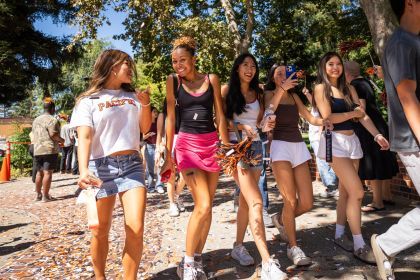
Transitioning to college life requires more than simply attending classes and completing coursework. For incoming students, the first few weeks on campus determine how connected they feel to their new environment, their peers, and the institutional culture. At the University of the Pacific, administrators have developed a structured approach to onboarding that prioritizes community building, resource awareness, and the cultivation of lasting relationships. Pacific Welcome, a nine-day series of events held annually in August, represents one of the more comprehensive orientation programs among universities in the USA.
Understanding the Structure of Pacific Welcome
Unlike many institutions that separate move-in weekend from orientation activities, the University of the Pacific consolidates these experiences into a unified programming block. Running from mid-August through the start of fall semester classes on the Stockton Campus, Pacific Welcome combines three distinct components: residential move-in, New Student Orientation, and Week of Welcome. This integrated design ensures that new students receive consistent support and engagement opportunities throughout their entire transition period.
The programming serves multiple student populations simultaneously. First-year undergraduates arriving directly from high school, transfer students transitioning from other institutions, international students navigating a new country, and graduate students entering specialized programs all find tailored resources within the broader framework. Vice President for Student Life Maria Blandizzi emphasizes that the goal extends beyond logistics—administrators want students to develop a genuine sense of belonging from their first moments on campus.
Move-In Day: The Foundation of Connection
The Pacific Welcome experience begins with Move-In Day, scheduled this year for Saturday, August 15. Students arriving at residence halls receive assistance from university staff and returning student volunteers who help transport belongings and answer immediate questions. This seemingly simple interaction serves an important psychological function: it demonstrates that help is available and that the campus community operates with a spirit of mutual support.
That same evening, the university hosts a New Parent and Family Social at the president’s residence. President Christopher Callahan and First Lady Jean Callahan welcome families directly, providing an opportunity for parents to meet university leadership and ask questions about institutional priorities. For many families, this reception alleviates anxiety about leaving their students in a new environment. Parents return home with faces and names attached to the administration, rather than abstract institutional titles.
Creating Space for Informal Bonding
After the formal reception concludes, students gather for an outdoor movie screening organized by ASUOP Arts & Entertainment. This year’s feature, “Toy Story,” was selected to provide lighthearted entertainment that requires no prior knowledge or social courage to enjoy. Students can sit with new neighbors, share snacks, and begin conversations without the pressure of structured networking. These informal interactions often spark the first friendships that carry students through their college careers.
New Student Orientation: Academic and Social Navigation
On August 16 and 17, new undergraduate students and all new international students participate in New Student Orientation. This two-day program addresses the practical knowledge students need to succeed, including how to access academic support services, where to find health and wellness resources, and how to navigate the physical campus. Interactive sessions replace passive information delivery—students actively engage with campus tours, small group discussions, and hands-on activities.
The orientation curriculum also introduces students to University of the Pacific traditions that define the institutional identity. Understanding these shared rituals gives new students conversational common ground with returning students and alumni. When students can reference the same traditions, they signal their membership in the campus community.
Supporting Diverse Student Populations
Recognizing that different student populations face distinct transition challenges, Pacific Welcome includes targeted programming. First-generation college students attend a dedicated mixer where they connect with peers who share similar experiences and learn about specialized support programs like the Community Involvement Program. Veterans gather for their own barbecue mixer, building relationships with other students who understand the unique transition from military to academic life. These affinity spaces acknowledge that community building works best when students can find others who share their specific identities and experiences.
Week of Welcome: Deepening Engagement
Beginning August 18, Week of Welcome shifts focus from foundational orientation to active engagement. The Take Care Fair exemplifies this approach by connecting students with campus and community resources that support physical, mental, and emotional well-being. Rather than simply distributing informational pamphlets, the fair uses a carnival theme with treats, free school supplies, and interactive displays to make resource discovery enjoyable. Students learn about the Tiger Success program and sustainability initiatives while participating in activities that feel like entertainment rather than education.
That afternoon, RecFest introduces students to fitness facilities, intramural sports, and recreational programming. Physical activity serves as both a wellness strategy and a social tool—students who join intramural teams or group fitness classes automatically gain a built-in social circle. The evening concludes with Target Takeover, where shuttle buses transport students to a local Target store for late-night shopping. This practical excursion solves a real need while creating a shared experience that students reference for weeks afterward.
Academic Traditions and Global Opportunities
Wednesday, August 19, brings New Student Convocation, a formal ceremony that marks the academic beginning of each student’s university career. The convocation tradition creates a bookend to the graduation ceremony—students who attend both events experience the full arc of their academic journey. Following convocation, students can attend Study Abroad information sessions to begin planning international experiences. Introducing global opportunities early allows students to incorporate study abroad into their four-year academic plans rather than discovering these options too late to participate.
That evening, Late Night in the Library transforms an academic building into a social space. Silent discos, gaming stations, interactive technology demonstrations, movies, and late-night treats draw students into the library environment without academic pressure. When students later need to study in the same building, they recall positive associations rather than stress.
Service and Community Engagement
Thursday, August 20, features Pacific’s Day of Service, an event that embodies the university’s commitment to community engagement. Students, faculty, staff, alumni, and community partners volunteer on projects throughout the Stockton region. For new students, this experience accomplishes several goals simultaneously. They learn about the local community beyond campus borders, they work alongside upperclassmen and university employees in non-hierarchical settings, and they contribute meaningful service that establishes their identity as engaged citizens rather than temporary residents.
The Day of Service also introduces students to the concept that college education extends beyond classroom learning. Many students discover volunteer opportunities they continue pursuing throughout their time at Pacific. The community organizations that benefit from Day of Service gain sustained volunteer support as students develop ongoing relationships with local nonprofits.
Student Organization Involvement
Following the Day of Service, ASUOP’s Brickyard on the Lawn Club Fair showcases dozens of student organizations. Research consistently shows that students who participate in extracurricular activities demonstrate higher retention rates and greater satisfaction with their college experience. The club fair provides a low-commitment way for students to explore options—signing up for an email list requires minimal investment but opens doors to deeper involvement.
Campus Resources and Local Exploration
Friday, August 21, begins with the Pacific Friday Tiger Fair, which highlights campus resources, leadership opportunities, and student involvement options that may not have appeared at the club fair. Academic support centers, research opportunities, and leadership development programs often reach students through this targeted exposure.
That afternoon, Connect with the Callahans offers an informal alternative to the earlier parent reception. Students can speak with the president and first lady in a relaxed setting, asking questions and sharing concerns without the formality of an official event. President Callahan has noted that the relationships formed during Pacific Welcome create foundations for meaningful connections that persist long after graduation.
The week concludes with Tigers Prowlin’ the Mile, an annual tradition that takes students into the surrounding community. Shuttle buses transport students from Burns Tower to local businesses, restaurants, and community spaces along the Miracle Mile. This excursion teaches students that their college experience encompasses both campus and community. Students who feel comfortable in the surrounding area are more likely to explore it independently, supporting local businesses and developing a fuller sense of place.
Extending Welcome Beyond Stockton
While the Stockton Campus hosts the most extensive Pacific Welcome programming, the Sacramento Campus holds its own welcome events August 24-26. These include student involvement fairs, food trucks, and activities tailored to the graduate and professional students who primarily use that campus. Recognizing that different campuses serve different student populations ensures that all new University of the Pacific students receive appropriate onboarding support.
Why Campus Traditions Matter for Student Success
The comprehensive approach to new student onboarding at the University of the Pacific reflects broader research on what helps students persist through graduation. Students who feel connected to their institution—who know where to find help, who have friends they can rely on, and who understand the culture and traditions of their campus—consistently demonstrate better outcomes than students who remain isolated.
Campus traditions serve specific functions in this process. They create shared experiences that unite diverse student populations. They provide predictable touchpoints that mark the passage of time. They connect current students to alumni who participated in the same rituals. And they give students stories to tell when family members ask about college life—stories that reinforce their identity as University of the Pacific students.
For prospective students evaluating colleges, the quality of new student programming offers insight into institutional values. Universities that invest heavily in welcome week activities signal that they view students as whole people, not just academic performers. The University of the Pacific’s nine-day Pacific Welcome program demonstrates this commitment through both its scope and its attention to diverse student needs.
Preparing for Your Own College Transition
Whether you plan to attend the University of the Pacific or another institution, understanding how to approach your own college transition can improve your experience. Arrive with curiosity rather than assumptions. Attend events even when you feel tired or overwhelmed—these early interactions create opportunities you cannot replicate later. Introduce yourself to people you do not know; most new students are equally eager to make connections but equally hesitant to initiate.
Learn where essential resources are located before you need them. Identify your academic advisor, your residence hall director, the counseling center, and the career services office during your first week. When challenges arise, you will know exactly where to turn for support.
Finally, give yourself permission to feel uncertain. Every new student experiences moments of doubt during the transition. The students who thrive are not those who never feel lost—they are the ones who reach out for help when they do.
Have questions about college transition strategies or want to share your own orientation experiences? Write to us in the comments below!
Explore our related articles for further reading on college success strategies and campus life navigation.
Schedule a free consultation to learn more about finding the right college fit for your academic and personal goals.
Submit your application today to begin your own journey toward higher education.