
University of the Pacific Introduces Southwest Hall: A New Standard for Student Housing in the USA
How University of the Pacific is Redefining Campus Living
As students across the USA return to campus for the new academic year, the quality of student housing remains a critical factor in their overall college experience. Recent news from the University of the Pacific highlights a significant milestone in campus development with the opening of Southwest Hall. This new residence hall is not just a place to sleep; it is a meticulously designed living-learning community built to address the specific, modern needs of today’s college students while respecting the institution’s deep historical roots.
For prospective students and families evaluating universities, the physical environment of a campus speaks volumes about an institution’s priorities. By replacing a century-old structure with a state-of-the-art facility, the University of the Pacific demonstrates a clear commitment to investing in student success, well-being, and community building. Schedule a free consultation to learn more about student housing options and campus life.
The Architectural Design of Southwest Hall
Honoring a Century of History
Building a modern facility on a historic campus requires a delicate balance between preservation and progress. The original Southwest Hall stood for over a century, constructed as three separate buildings that were eventually cobbled together. While the historic building held fond memories for generations of alumni, it ultimately could not support the infrastructural demands of 21st-century student housing.
President Christopher Callahan noted during the building’s dedication that while the original structure could not be salvaged, the university was determined to pay homage to its history. The new Southwest Hall achieves this through its meticulous collegiate Gothic architecture. Vice President for Student Life Maria Blandizzi went to extensive lengths to match the exterior bricks to the original facade. For students and visitors walking across the Stockton campus, the building seamlessly integrates with Pacific’s historic aesthetic, maintaining the distinctive visual identity that defines the university.
Interior Courtyards and Community Spaces
Beyond its historic exterior, Southwest Hall functions as a highly functional, modern space. The three-story building houses 386 beds, providing ample accommodation for the student body. However, the design goes far beyond simply maximizing bed count. The hall includes 12 dedicated study spaces, multiple lounge rooms, and a central interior courtyard.
This interior courtyard is a deliberate architectural choice designed to foster organic socialization. In modern student housing, providing outdoor spaces that remain secure and integrated within the residential community encourages students to step out of their rooms and engage with their peers without leaving the immediate vicinity of their homes. This design philosophy supports mental well-being and helps combat the isolation that can sometimes accompany the transition to college life.
Student-Driven Features in University of the Pacific Student Housing
Integrating Direct Student Feedback
What sets Southwest Hall apart from standard dormitory constructions is the degree to which students were involved in its conceptualization. Assistant Vice President for Student Life Josh O’Connor and Blandizzi recognized that to build an effective living environment, they needed to consult the end-users. They conducted extensive focus groups with students to identify exactly what features were lacking in older housing models.
The result is a building that directly answers student complaints found on campuses nationwide. Instead of imposing a top-down design, the University of the Pacific utilized a collaborative approach, ensuring the new facility genuinely serves its residents. Share your experiences in the comments below regarding what features matter most in student housing.
The Four Major Student Requests
During the focus groups, students consistently highlighted four specific needs that were ultimately engineered into the final design of Southwest Hall:
- Power access for 10 to 15 devices: Today’s students are heavily reliant on technology for both academic and personal use. Between laptops, tablets, smartphones, smartwatches, and gaming consoles, the demand for electrical outlets far exceeds what was anticipated in previous decades. Southwest Hall’s infrastructure is built to handle this load seamlessly.
- Large, accessible windows: Students emphasized the need for fresh air and natural light. Access to daylight is proven to regulate circadian rhythms, improve mood, and enhance academic focus. The large windows in Southwest Hall ensure that rooms feel open and connected to the outdoors.
- Independent lighting control and dimmers: Roommate dynamics often hinge on differing schedules. Providing individual control over room lighting, including dimmers, allows students to study late without disturbing a sleeping roommate.
- Control over heating and cooling: Similar to lighting, personal climate control reduces roommate friction and allows students to customize their immediate environment for optimal comfort and productivity.
Sustainability and LEED Gold Certification
Environmental responsibility is a core value for the current generation of college students, and the University of the Pacific has aligned its infrastructure development with this priority. Southwest Hall has been designed to meet LEED Gold certification standards. This designation, recognized across the USA, identifies buildings that are highly energy-efficient and sustainable.
The sustainability features integrated into the building go beyond basic compliance. The hall utilizes energy-efficient lighting systems throughout its common areas and living spaces. It also includes designated compost bins to encourage sustainable waste management among residents. Furthermore, the building features a large interior storage room specifically dedicated to student bicycles. By providing secure, weather-protected bike storage, the university actively supports alternative, carbon-free transportation, making it easier for students to navigate the campus and the surrounding Stockton area without relying on cars.
Bridging Academic and Social Life with In-Residence Faculty
One of the most impactful educational strategies in modern higher education is the integration of living-learning communities. Southwest Hall takes this concept a step further by including three specially designed suites with full kitchens and living areas. These suites are designated for two faculty members and one staff member who will live alongside the students.
Jeffery Hole, Director of the First Year Experience, highlighted the profound impact of this residential model. The most meaningful connections between students and faculty frequently occur outside the traditional classroom setting—over a shared meal, during a casual hallway encounter, or at an informal event. Having faculty in residence breaks down the invisible barriers that often exist between students and their professors. It provides students with accessible mentors who can offer guidance on academic challenges, career planning, and personal development in real-time. Submit your application today to become part of the University of the Pacific community.
Financing the Future: Public-Private Partnerships
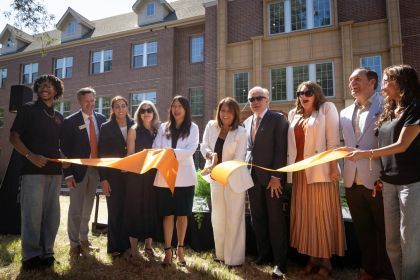
Developing cutting-edge student housing requires significant capital investment. The realization of Southwest Hall was made possible through an amazing public-private partnership, as noted by California State Treasurer Fiona Ma during the ribbon-cutting ceremony. Treasurer Ma helped the University of the Pacific secure a conduit bond through the California Education Finance Authority.
This type of financial structuring is vital for universities across the USA. It allows institutions to fund major infrastructure projects that improve the student experience without diverting funds away from academic programs, scholarships, or faculty salaries. By leveraging public-private partnerships, universities can keep tuition costs more stable while still upgrading aging campus infrastructure to meet modern standards.
Leaving a Legacy at Southwest Hall
For alumni and friends of the university, Southwest Hall offers a tangible way to reconnect with the institution. Donors have the opportunity to purchase engraved bricks that will be placed in the new interior courtyard. This courtyard is designed as a space for reflection, connection, and growth, and the engraved bricks allow alumni to commemorate their own Pacific experience, honor a mentor, or celebrate a class year.
In a unique gesture bridging the past and the future, each donor who contributes to the new courtyard will also receive a “legacy brick” salvaged from the original Southwest Hall. These pieces of the historic building will be available for pickup during the university’s Homecoming and Family Weekend. This initiative ensures that the physical history of the campus remains in the hands of the community that built it. Explore our related articles for further reading on University of the Pacific campus developments.
What This News Means for Prospective Students
The opening of Southwest Hall is more than just a local news event; it is a clear indicator of the University of the Pacific’s strategic direction. For prospective students comparing universities in the USA, the details of this project reveal an institution that listens to its student body, values sustainability, respects its history, and actively fosters faculty-student mentorship.
Khalik Len, a sophomore who will serve as a resident assistant in the new building, perfectly summarized the sentiment of the incoming class: the hall represents new beginnings and a space that students can truly call home. When a university invests this heavily in the daily living conditions of its students, it sends a strong message that student well-being is a foundational priority. Have questions? Write to us to learn more about living at University of the Pacific.