
Understand the Impact of a USA NIH Grant on Exercise and Diabetes Research at University of the Pacific’s Thomas J. Long School of Pharmacy
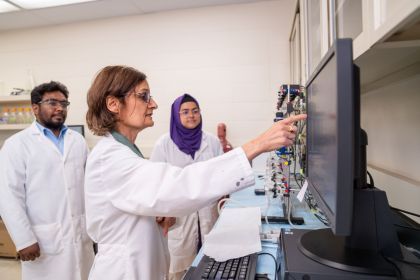
As rates of Type 2 diabetes continue to rise across the USA, finding effective preventive strategies has become a critical public health priority. Addressing this challenge requires rigorous scientific investigation into how lifestyle modifications can alter the disease’s trajectory. A newly awarded NIH grant is funding exactly this kind of targeted research at the University of the Pacific. This federal funding supports a comprehensive study examining how exercise influences vascular health during the progression from prediabetes to Type 2 diabetes. By focusing on the biological mechanisms that protect blood vessels, this research aims to establish more precise, actionable guidelines for diabetes prevention and management.
Schedule a free consultation to learn more about our research programs.
The Critical Link Between Exercise and Vascular Health in Diabetes
When discussing diabetes management, the conversation typically centers on blood glucose levels and insulin sensitivity. However, the complications of diabetes extend far beyond metabolic dysregulation. Type 2 diabetes is a leading cause of cardiovascular disease, largely due to the damage the disease inflicts on the vascular system. Understanding how exercise mitigates this damage requires a closer look at vascular physiology.
The Prediabetes Window of Opportunity
Many people view prediabetes as a simple warning sign rather than a stage of active disease progression. In reality, vascular complications frequently begin during the prediabetic stage. Endothelial dysfunction—a condition where the inner lining of blood vessels fails to function optimally—often manifests before a patient ever receives a full Type 2 diabetes diagnosis. This dysfunction limits the blood vessels’ ability to dilate and regulate blood flow, setting the stage for future cardiovascular events.
By intervening during the prediabetic phase, medical professionals have a critical window to preserve vascular function. Physical activity is widely recognized as a frontline defense, but the specific biological pathways through which exercise preserves endothelial health remain an active area of study. Determining exactly how much exercise, and at what intensity, is required to halt vascular degradation is essential for developing effective clinical interventions.
Why Vascular Protection Matters in Metabolic Disease
Cardiovascular disease remains the leading cause of morbidity and mortality among individuals with Type 2 diabetes. When blood vessels lose their elasticity and responsiveness, the risk of hypertension, atherosclerosis, and heart attack increases dramatically. Therefore, treating diabetes effectively means treating the associated vascular deterioration. Research that isolates the protective effects of exercise on blood vessels provides the foundational knowledge needed to shift diabetes care from reactive blood sugar management to proactive cardiovascular protection.
Breakdown of the Four-Year NIH Grant Objectives
The National Institute of General Medical Sciences, part of the National Institutes of Health, has awarded a $526,590 grant to support this four-year research initiative. Led by Professor Roshanak Rahimian and co-investigator Atefeh Rabiee at the University of the Pacific, the project sets out to answer specific, highly relevant questions about exercise and metabolic health. Rather than simply confirming that exercise is beneficial, the research aims to define the parameters of that benefit.
Analyzing Exercise Intensity and Metabolic Regulation
One of the primary objectives of this NIH grant is to evaluate how different exercise intensities impact vascular health. Not all physical activity yields the same physiological results. Moderate-intensity exercise, such as brisk walking, elicits different metabolic and cardiovascular responses than high-intensity interval training (HIIT) or sustained vigorous exertion.
Professor Rahimian’s team will investigate whether high-intensity exercise provides superior vascular protection compared to moderate-intensity activity, or if moderate exertion is sufficient to halt endothelial dysfunction in prediabetic patients. By analyzing markers of oxidative stress and inflammation, the researchers will map out the dose-response relationship between exercise intensity and vascular preservation. This data will help clinicians prescribe exercise with the same precision they use when prescribing pharmaceutical interventions.
Explore our related articles for further reading on metabolic health.
Evaluating Biological Sex Differences in Cardiovascular Risk
A particularly innovative aspect of this USA-based research is its focus on biological sex differences. Historically, many preclinical and clinical studies in metabolic disease have relied heavily on male subjects, leading to a knowledge gap regarding how females experience and respond to diabetes progression and treatment.
Sex hormones and distinct biological pathways can significantly influence inflammation, oxidative stress, and metabolic regulation. These factors may dictate how male and female vascular systems respond to the stress of exercise. By directly comparing these responses, the research team hopes to determine if optimal exercise prescriptions for diabetes prevention should differ based on biological sex. This aligns with a broader shift in medical research toward personalized medicine, where treatments are tailored to the specific physiological profiles of individual patients rather than a generalized standard.
Academic and Clinical Contributions of the Thomas J. Long School of Pharmacy
This NIH grant builds upon Professor Rahimian’s previous federally funded work, which also investigated sex differences in blood vessel dysfunction associated with Type 2 diabetes. Conducting this research within the Thomas J. Long School of Pharmacy provides a unique academic advantage. Pharmacists are increasingly recognized as essential members of patient care teams, particularly in managing chronic conditions like diabetes.
By integrating advanced physiological research into a pharmacy school environment, the University of the Pacific ensures that future pharmacists are exposed to the cutting-edge science behind lifestyle interventions. When these students enter clinical practice, they will possess a deeper understanding of how non-pharmacological treatments like exercise interact with metabolic pathways. This perspective is invaluable when counseling patients on comprehensive diabetes management strategies that go beyond medication adherence.
Training Future Researchers in the USA
A core component of the NIH grant is its emphasis on student training. Over the four-year project period, students at the University of the Pacific will gain direct, hands-on experience in biomedical research. They will learn to execute complex laboratory techniques, analyze sophisticated datasets, present findings at scientific conferences, and contribute to peer-reviewed publications.
This experiential learning is vital for developing the next generation of scientists in the USA. As noted by Mohammad Moshiur Rahman, a graduate student involved in the project, investigating how exercise improves vascular function in prediabetes provides practical experience that directly informs future clinical therapies. Working alongside established investigators like Dr. Rahimian and Dr. Rabiee allows students to transition from theoretical learning to active scientific contribution, building a strong foundation for careers in healthcare, academia, and biotechnology.
Submit your application today to join our dynamic research teams.
Long-Term Clinical Implications for Diabetes Management
The ultimate goal of this research extends beyond the laboratory. By clarifying the biological mechanisms through which physical activity protects blood vessels, Professor Rahimian and her team aim to inform future clinical guidelines. If the study can conclusively identify the optimal exercise intensities required to prevent vascular complications—and determine how these needs vary between males and females—healthcare providers will be better equipped to design targeted prevention strategies.
For the millions of individuals in the USA currently living with prediabetes, this research represents a step toward more effective, evidence-based interventions. Rather than issuing vague advice to “exercise more,” medical professionals may soon be able to provide specific, mechanistically backed prescriptions for physical activity that directly address an individual’s cardiovascular risk factors.
Conclusion and Future Directions in Diabetes Research
The NIH grant supporting the University of the Pacific’s Thomas J. Long School of Pharmacy highlights the vital role of federal funding in advancing public health. By investigating the nuanced relationship between exercise intensity, biological sex, and vascular health, this research addresses a critical gap in our understanding of Type 2 diabetes progression. As the prevalence of diabetes continues to challenge the healthcare system, studies like this are essential for developing precise, effective, and personalized prevention strategies that reduce the long-term burden of cardiovascular disease.