
Review The Pitt Medical Drama Accuracy with Adelphi University Nursing and Public Health Faculty
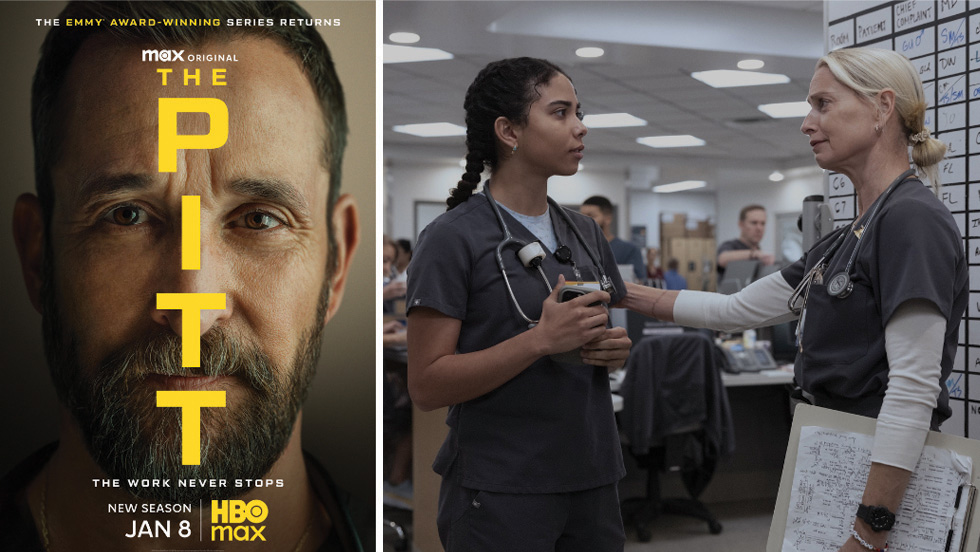
Medical dramas have long captivated television audiences across the USA, but few have generated as much discussion among actual healthcare professionals as HBO’s The Pitt. Set in a Pittsburgh trauma center, the show has drawn praise for attempting to capture the true chaos of an emergency department. For prospective and current nurses, watching a medical drama that gets the details right is a rare experience. Recently, faculty members from the Adelphi University College of Nursing and Public Health—both seasoned emergency department veterans—examined the show’s realism. Their analysis provides valuable context for anyone interested in the realities of USA emergency nursing.
How Realistic Are USA Emergency Departments in Television?
Historically, television has prioritized dramatic arcs over medical accuracy. Physicians are often depicted as solitary heroes, while the complex, highly coordinated efforts of the nursing staff are pushed to the background. The Pitt attempts to subvert this trope by highlighting the intense pace, the high volume of patients, and the critical roles played by charge nurses and frontline staff. According to Dr. Jordan Yakoby, Associate Dean at Adelphi, many of the scenarios depicted in the medical drama are highly authentic representations of what happens in an actual emergency department. However, as Dr. Daniel McWeeney, a Clinical Associate Professor and experienced ED nurse practitioner, points out, the show naturally leans toward critical cases to maintain narrative tension. In reality, an ED shift involves a mix of critical interventions and routine care.
The conversation surrounding this show is an excellent example of how pop culture intersects with healthcare news, sparking debates about workplace conditions, patient care, and the true nature of nursing in the USA.
Schedule a free consultation to learn more about Adelphi’s nursing programs.
Analyzing Key Emergency Department Scenarios from The Pitt
To understand how The Pitt measures up to reality, it helps to break down specific scenes through the lens of experienced nursing professionals. The following analysis highlights the show’s strengths and the occasional necessity of artistic license.
Multilingual Communication on the Hospital Floor
In an early episode, Filipina nurses Perlah and Princess switch to Tagalog while discussing cases and reacting to physician decisions. This scene resonated strongly with many viewers familiar with the diverse workforce in USA hospitals.
Dr. Yakoby notes that the close proximity of an emergency department naturally breeds camaraderie and informality among staff. While gossip happens, openly switching languages in front of colleagues might be less common in reality. Dr. McWeeney adds that multilingual nurses frequently use their native languages during shifts, though typically for friendly, casual conversation rather than discussing patient care. However, he emphasizes that experienced nurses are constantly communicating and questioning provider assessments, ensuring the best outcomes for patients regardless of the language spoken.
Workplace Violence Against Nursing Staff
One of the most jarring scenes occurs when an aggressive patient physically assaults charge nurse Dana Evans. The show treats this not as an isolated, shocking event, but as an unfortunate reality that staff must navigate.
Dr. McWeeney confirms that this depiction is entirely accurate. Security alerts due to aggressive or threatening patients are a regular occurrence in the emergency department. While most incidents remain verbal, physical assaults against nursing staff are a documented, well-known problem across the USA. Dr. Yakoby, who has personally experienced assault during his career, notes that perpetrators are often impaired by substances or experiencing psychiatric crises. Hospitals have increased security presence and active shooter training, but staff must remain constantly vigilant, as security cannot be everywhere at once.
Processing Grief and the ‘Frequent Flyer’ Phenomenon
When a regular patient, known as a “frequent flyer” due to his recurring visits for alcohol-related complications, passes away, nurse Perlah struggles visibly with her emotions. Her colleagues step in to cover her duties.
This scene accurately portrays the emotional toll of emergency nursing. Dr. Yakoby explains that while ED staff usually do not spend enough time with a patient to form deep bonds, certain individuals break through that barrier. Frequent visitors dealing with substance abuse can be challenging, but those who are pleasant and open can leave a lasting impact when they pass away. Dr. McWeeney shares that coping with grief on the floor is a learned skill. During particularly difficult shifts, such as those during the height of the pandemic, staff often have to find brief moments to reset—stepping away to cry or practicing deep breathing. He also notes the rise of hospital support programs, like “Team Lavender,” which provide stress-relief resources to staff after traumatic events.
The Reality of Nurse-to-Physician Training Dynamics
In a notable scene, a seasoned nurse steps in to guide junior physicians through a complex subcutaneous suturing technique. This moment challenges the traditional television hierarchy where doctors exclusively hold the knowledge.
Dr. McWeeney clarifies that while registered nurses do not typically suture, they are heavily involved in precepting new nurses and teaching complex ED skills like IV placement. The pressure to see more patients means in-depth teaching often happens later in a shift. Dr. Yakoby adds that while a nurse directly performing a procedure is unusual, a highly experienced nurse guiding a junior resident through a practice run or correcting their technique is entirely realistic. Physicians-in-training benefit greatly from listening to the practical wisdom of veteran nurses.
Submit your application today to start your journey in emergency nursing.
Trauma-Informed Care in Sexual Assault Examinations
The medical drama handles sexual assault examinations with notable care, featuring Dana acting as a Sexual Assault Nurse Examiner (SANE). She walks the survivor through the forensic exam step-by-step, balancing technical requirements with profound compassion.
Both faculty members praised this portrayal. Dr. McWeeney notes that time is of the essence in these sensitive cases, and the heightened fear of litigation or mistakes makes the SANE role incredibly demanding. Dana’s ability to establish trust and clearly explain each step to the patient was a textbook example of trauma-informed care. Dr. Yakoby echoes this, stating that providing emotional support, ensuring privacy, and maintaining a thoughtful approach is exactly where nursing excels in the emergency department.
The Adelphi Connection: From Campus to the HBO Screen
The authenticity of The Pitt is further bolstered by the presence of Adelphi University alumnus Lucas Iverson ’17, who graduated with a BFA in theatre arts. Iverson plays medical student James Ogilvie in the show’s second season. During a recent interview, Iverson highlighted a specific scene where a nurse out-diagnoses a room full of medical doctors. He noted that the moment reflected a fundamental truth of emergency medicine: “The nurses always know.”
This behind-the-scenes connection underscores the importance of interdisciplinary understanding. Actors who take the time to observe real healthcare environments contribute significantly to the accuracy of a medical drama, which in turn educates the public about the vital role of nursing.
Prepare for a Career in the Emergency Department
While watching a medical drama can provide a glimpse into the emergency department, actually working in one requires rigorous academic preparation and clinical training. The Adelphi University College of Nursing and Public Health offers a variety of paths for students looking to enter this demanding field.
For those who want to work directly with patients in fast-paced settings, the Accelerated Nursing program—now offered in Garden City and at the Manhattan Center—provides a streamlined path for students holding a bachelor’s degree in another field. Prospective nurses can also pursue traditional undergraduate or doctoral degrees in nursing. For those looking to specialize, Adelphi offers graduate and doctoral tracks in Adult Gerontology Primary Care and Psychiatric Mental Health, addressing two critical needs in modern emergency departments.
Understanding the broader healthcare landscape is also crucial. Adelphi’s undergraduate Health Sciences program and online Master of Public Health (MPH) degree prepare students to address systemic issues that directly impact emergency care, such as substance abuse trends, public health crises, and healthcare informatics. Specialized online programs in Healthcare Informatics train professionals to manage the data systems that keep emergency departments running efficiently.
Explore our related articles for further reading on nursing specialties.
Conclusion
The critical acclaim for The Pitt highlights a growing public appetite for healthcare media that respects the intelligence and expertise of nursing professionals. As the Adelphi faculty analysis shows, while television requires some condensation of events, the core realities of emergency nursing—the teamwork, the danger of workplace violence, the emotional grief, and the specialized skills—are very real. For aspiring nurses in the USA, understanding these realities is the first step toward a successful and resilient career in the emergency department.
Have questions? Write to us!
Share your experiences in the comments below.