Pursue Geoarchaeology with Rutgers University and the Fulbright Program: Opportunities in Archaeological Research in Germany

Expanding Horizons in Archaeological Studies through Rutgers University and International Programs
For students passionate about understanding human history and prehistory, the fields of archaeology and geoarchaeology offer a compelling combination of scientific analysis and cultural exploration. Rutgers University, renowned for its comprehensive academic programs, provides a pathway for aspiring archaeologists to engage in meaningful research both locally and abroad. Through initiatives like the Fulbright Program, students can access unique international opportunities to advance their expertise in archaeological sciences, including geoarchaeology in Europe.
Understanding Geoarchaeology: The Intersection of Earth Science and Archaeological Research
Geoarchaeology is an interdisciplinary field that applies techniques from geology, soil science, and Earth history to interpret archaeological sites. This approach helps uncover how landscapes and environmental factors influenced ancient human activity, as well as how archaeological materials are preserved over millennia. For students at Rutgers University interested in conducting archaeological research, mastering geoarchaeological methods opens doors to sustainable preservation efforts and innovative discoveries.
Course Offerings and Research Opportunities at Rutgers
Rutgers offers robust programs centered on archaeology and Earth sciences, with opportunities to engage in hands-on research at the Rutgers Geology Museum and through fieldwork at archaeological sites nationwide. Students can participate in excavations, laboratory analyses, and interdisciplinary projects that sharpen their understanding of settlement patterns, environmental change, and site preservation techniques.
Leveraging the Fulbright Program for International Archaeological Research in Germany
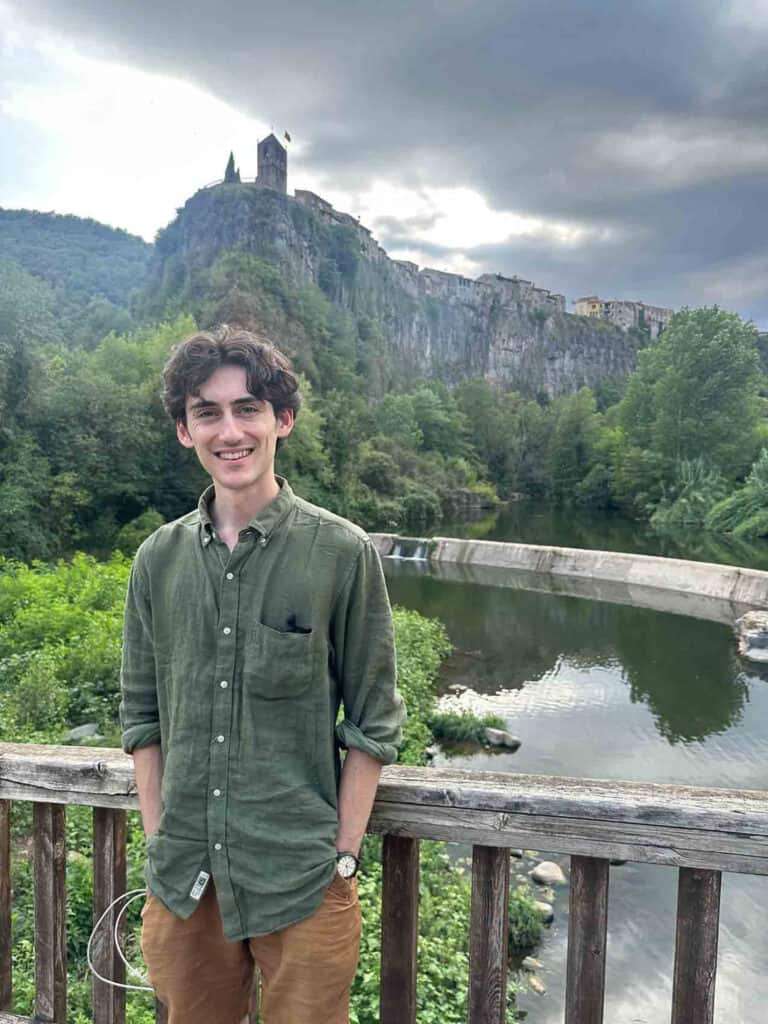
One of the most significant pathways for Rutgers students seeking global archaeological experience is the Fulbright U.S. Student Program. This competitive grant awards opportunities for recent graduates and graduate students to undertake research, study, or teaching assignments abroad. For example, Rutgers graduate Joe Mezza leveraged a Fulbright grant to pursue a master’s degree in archaeological science at the University of Tübingen, Germany, focusing on the preservation of ancient DNA within cave sediments.
How Fulbright Enhances Archaeological Research
The Fulbright Program supports immersive research in diverse cultural and environmental contexts, allowing students to work alongside international scholars and participate in excavations and scientific analyses. In Germany, students are exposed to advanced geoarchaeological labs, unique archaeological sites, and environmental landscapes that deepen their understanding of European heritage and climate history. Such experiences not only bolster academic credentials but also foster cross-cultural collaboration.
Preparing for a Career in Archaeological Science and Geoarchaeology
Students interested in a career in archaeological research should consider pursuing advanced degrees and gaining practical experience. Rutgers University provides a solid foundation through coursework, internships, and faculty mentorship, while programs like the Fulbright enable immersive international research. Developing proficiency in Earth sciences, excavation techniques, scientific analysis, and foreign languages like German enhances competitiveness in this interdisciplinary field.
Post-Graduation Opportunities and Trends
Graduates specializing in geoarchaeology and archaeological science find opportunities in academic research, cultural resource management, museum curation, and environmental consulting. The field increasingly emphasizes the integration of scientific data with cultural insights, especially in regions with rich archaeological heritage like Europe. Engaging in international research projects broadens professional networks and deepens expertise.
Next Steps for Prospective Students Interested in Archaeological Science
Whether you are an undergraduate just starting your academic journey or a graduate seeking specialized training, Rutgers University offers pathways into geoarchaeology and archaeological research. Attending campus events, participating in research assistantships, and exploring study abroad options are excellent ways to begin.
Ready to start your journey? Fill out the form to get assistance from an expert counselor who can help you choose the right program, understand admission requirements, prepare your application, and guide you through the process to help you receive university acceptance.