Pacific University Student Housing Leader Takes on Regional WACUHO President-Elect Role
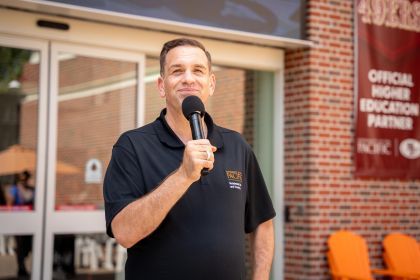
The landscape of collegiate living is continuously evolving, shaped by new challenges, shifting student demographics, and unforeseen crises. At the forefront of managing these complex environments are the dedicated professionals working in student housing. Recently, higher education news highlighted a significant development in this sector: Josh O’Connor, the Assistant Vice President for Student Life at Pacific University, has been named the president-elect for the Western Association of College and University Housing Officers (WACUHO). This appointment underscores the critical importance of regional leadership in maintaining the quality and safety of student housing across the western United States.
Understanding the Role of Regional Housing Organizations
Navigating the intricacies of USA student housing requires more than just facilities management; it demands a deep understanding of student development, crisis response, and institutional collaboration. Organizations like WACUHO exist to support the professionals who oversee these residential programs. By providing structured mentorship, targeted training opportunities, and a reliable professional network, these associations ensure that housing officers are equipped to handle both day-to-day operations and large-scale emergencies.
As president-elect, O’Connor will work directly with the incumbent president to guide the organization’s strategic priorities, conference development, and long-term organizational planning. This transition period is vital for maintaining continuity within the association and setting a clear trajectory for future initiatives that will impact thousands of students living on college campuses throughout the West.
The Direct Impact of Housing Leadership on Student Experience
Student housing is not merely a place to sleep; it is a foundational component of the collegiate experience. Effective leadership in residential life directly correlates with higher student engagement, stronger community-building, and better retention rates. When housing operations run smoothly, students are free to focus on what matters most: their academic and personal growth.
O’Connor’s perspective on residential life aligns with this holistic view. He emphasizes that the goal of student housing is to create an environment where students are not studying 24 hours a day, but are actively participating in the broader campus community. This includes bonding with peers in residence halls, joining student organizations, and attending campus events. Quality housing leadership fosters this environment by training resident advisors, developing inclusive community policies, and ensuring that living spaces are conducive to both rest and collaboration.
Bridging the Gap Between Academics and Campus Life
The most effective student housing programs bridge the gap between the classroom and the residence hall. Initiatives like Pacific University’s Common Reading program and the Pacific Summer High School Institute demonstrate how residential life can integrate with academic goals. These programs show prospective and current students that living on campus is an extension of their learning environment, providing access to faculty, academic resources, and peer discussions outside of traditional lecture halls.
Collaborative Crisis Management in Higher Education
One of the most compelling reasons for robust regional housing leadership is the necessity of crisis management. College campuses are complex ecosystems that can be quickly disrupted by natural disasters, public health emergencies, or operational failures. In these moments, housing professionals often find themselves on the front lines, responsible for the safety and well-being of thousands of students.
O’Connor notes that WACUHO serves as an invaluable support network during these critical times. Whether a campus is dealing with a sudden housing shortage, severe occupancy imbalances, or the need for emergency response planning, housing officers rely on their regional peers for immediate advice and strategic support. The relationships built through regional associations become the lifeline that administrators call upon when standard protocols are insufficient.
Lessons from the COVID-19 Pandemic Response
The COVID-19 pandemic provided a stark example of why this collaborative network is essential. During the height of the pandemic, universities faced unprecedented logistical challenges. Housing professionals had to rapidly clear buildings, manage complex refund processes, and navigate massive financial losses—all while prioritizing student safety. As O’Connor highlighted, universities were losing tens of millions of dollars, and housing departments had to execute massive operational pivots almost overnight.
Regional associations facilitated the rapid sharing of protocols, policy templates, and operational strategies. This peer-to-peer collaboration allowed institutions to avoid working in silos, ultimately speeding up response times and ensuring that best practices were distributed widely across the western United States.
Strategic Planning for the Future of Student Housing
Looking ahead, regional housing organizations must adapt to a changing educational landscape. As president-elect, O’Connor has indicated that WACUHO will focus heavily on long-term strategic planning. This includes conducting thorough analyses of the organization’s internal strengths and weaknesses, as well as identifying external opportunities to better serve its members.
A significant part of this strategic evaluation involves examining the sustainability of traditional operational models, such as large annual conferences. While these gatherings are historically the largest events for professional development and networking, associations must continually assess whether their formats meet the evolving needs and budget constraints of member institutions. Exploring hybrid models, regional micro-conferences, and continuous digital learning platforms are all potential avenues for future growth.
Addressing Emerging Trends in Campus Residences
Strategic planning must also account for macro-level trends affecting USA student housing. Institutions are increasingly focused on upgrading aging infrastructure, incorporating sustainable building practices, and designing spaces that support mental health and wellness. Furthermore, the ongoing national conversation about diversity, equity, and inclusion requires housing leaders to critically evaluate how residential policies and living arrangements support students from all backgrounds. Leadership at the regional level helps synthesize these trends into actionable guidance for local campuses.
Pacific University’s Commitment to Residential Life Innovation
The recognition of Pacific University’s student life leadership on a regional level reflects the institution’s broader commitment to enhancing the residential experience. O’Connor’s work at Pacific provides a clear example of how housing leadership translates into tangible campus improvements. His portfolio includes supporting engaging student programming like TEDx events, which bring dynamic ideas to the campus community.
Additionally, his involvement in the reopening and redesign of key residential facilities, such as Southwest Hall and Manor Hall, highlights a focus on creating physical spaces that meet modern student needs. The dedication of Manor Hall specifically as a residential space for student veterans, for instance, shows a nuanced understanding of how specialized housing can support distinct student populations. These local initiatives at Pacific University ultimately feed into the broader knowledge base that leaders share at the regional level through WACUHO.
The Value of Public and Private Institutional Partnerships
A critical function of regional housing associations is fostering collaboration between public and private institutions. While a large state university and a small private college may seem vastly different, they share many of the same fundamental challenges in housing operations. By bringing these disparate groups together, associations like WACUHO create a forum where professionals can share best practices that transcend institutional type.
This cross-pollination of ideas is particularly valuable when addressing operational efficiencies. A cost-saving measure implemented at a private university might be successfully adapted for a community college, and vice versa. Breaking down the silos between public and private higher education ensures that students, regardless of where they choose to study, benefit from the collective expertise of the housing profession.
Conclusion
The appointment of Josh O’Connor to the president-elect role for WACUHO is a notable development for anyone invested in the quality of higher education in the western United States. It serves as a reminder that the student housing profession requires dedicated, strategic leadership to navigate normal operational demands and acute crises alike. For prospective students and families evaluating colleges, understanding the strength and philosophy of an institution’s residential life program is a crucial step in the selection process. Strong regional leadership, exemplified by professionals connected to Pacific University, ultimately ensures that campus housing remains a supportive, safe, and engaging environment conducive to student success.
Have questions about how residential life impacts your college search? Schedule a free consultation to learn more about finding the right campus environment for your academic and personal goals.
Interested in learning more about campus initiatives? Explore our related articles for further reading on student life and university developments.
Ready to experience a vibrant campus community? Submit your application today and take the first step toward your collegiate journey.
Want to see our residential spaces firsthand? Plan your campus visit to get a closer look at where you could be living and learning.