
Pace University Biology Program: A Direct Path to Dentistry and Research Careers in the USA
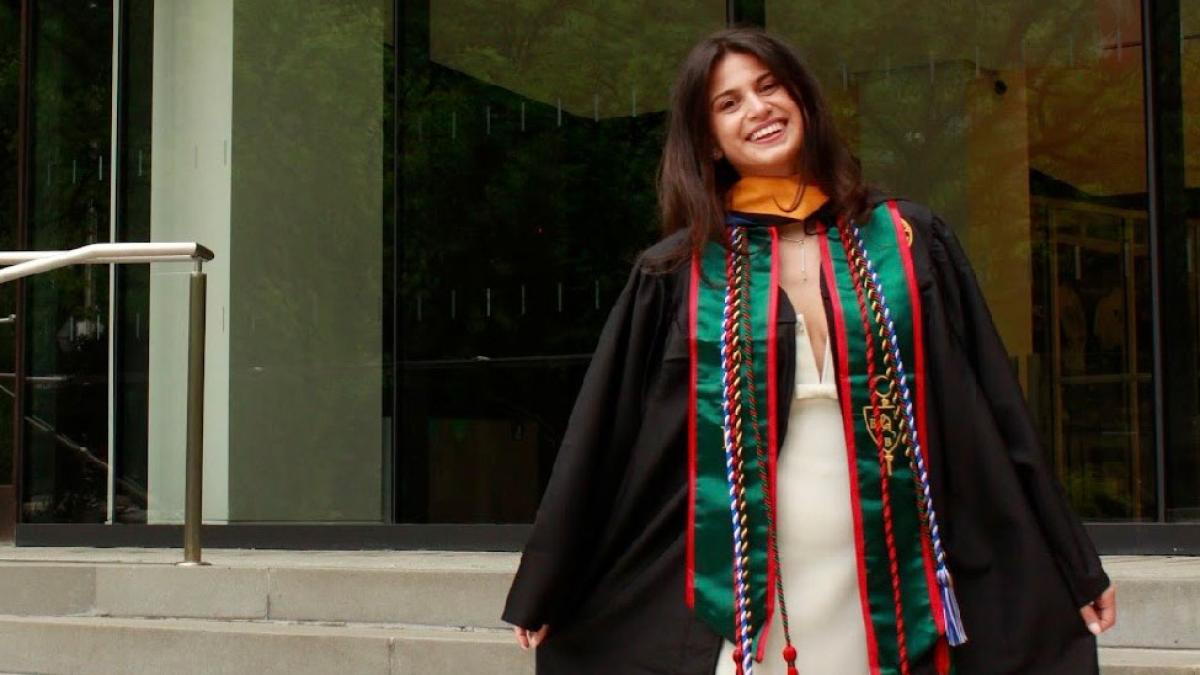
Choosing the right undergraduate program is a critical decision for students pursuing careers in healthcare. For those aiming to become dentists, a bachelor’s degree in biology offers the rigorous scientific grounding required to master advanced dental concepts. At Pace University in the USA, students like Alessandra Barretta demonstrate how a comprehensive biology curriculum, combined with hands-on laboratory research and clinical experience, creates a highly competitive profile for dental school admissions.
Build a Strong Scientific Foundation for Dental School Admissions
Dental schools across the USA evaluate candidates based on their mastery of core sciences, including biochemistry, microbiology, and genetics. A biology degree provides the necessary framework to understand these subjects in depth. Rather than simply memorizing facts, students learn to analyze complex biological systems—a skill that directly translates to diagnosing and treating oral health issues.
Understanding human anatomy and physiology at a high level is non-negotiable for dentists. The craniofacial complex involves intricate networks of nerves, blood vessels, and musculoskeletal structures. A dedicated biology program ensures students spend significant time on these subjects, rather than taking isolated introductory courses. Furthermore, biochemistry courses explain the metabolic processes that govern tissue healing and infection control, both of which are daily considerations in a dental practice.
At Pace University, the biology curriculum within Dyson College of Arts and Sciences is designed to go beyond textbook learning. Students engage with scientific principles through intensive laboratory courses. This results-focused academic approach ensures that pre-dental students are not only prepared for the Dental Admission Test (DAT) but also possess the critical thinking skills required to excel in advanced clinical training. Schedule a free consultation to learn more about pre-dental academic tracks.
Engage in Faculty-Mentored Research as a Pre-Dental Student
Participating in undergraduate research significantly strengthens a dental school application. Admissions committees look for candidates who contribute to the scientific community and understand the research methodologies that drive modern medicine. Faculty-mentored research allows undergraduate students to apply classroom theories to real-world biological problems.
Consider the academic path of Alessandra Barretta, a biology student at Pace University. During her undergraduate career, she published research on drug resistance mechanisms in Saccharomyces cerevisiae under the mentorship of Professor Daniel Strahs. Studying drug resistance at the cellular level provides pre-dental students with vital insights into how bacteria and fungi evolve to survive pharmaceutical interventions. Understanding these mechanisms is crucial for dentists who frequently prescribe antibiotics to manage oral infections.
Publishing research as an undergraduate is a rare achievement that signals a high level of dedication and intellectual capability. It shows admissions committees that the student can contribute original findings to the scientific record. For pre-dental students, this level of academic rigor demonstrates the work ethic required to complete a doctoral-level program. Submit your application today to start your research journey.
Connect Laboratory Research to Clinical Dentistry Practice
The most compelling pre-dental research projects are those that bridge the gap between basic biology and clinical application. After establishing her foundation in cellular drug resistance, Barretta transitioned to Professor Jeanmaire Molina’s laboratory. There, she investigated bacterial community composition within Rafflesia, the world’s largest flower. While studying a tropical plant might seem distant from a dental clinic, this research focused heavily on microbial ecology and how bacterial communities interact within a host environment.
This expertise in microbial communities directly informed Barretta’s next major project: what may become Pace University’s first dedicated dental research initiative. Focusing on the bacterial communities associated with the development of dental caries (cavities), this research examines the specific microbiomes that destroy tooth enamel. Dental caries remain one of the most common chronic diseases worldwide. By analyzing the bacterial ecology of the mouth at a research level, undergraduate biology students gain a specialized understanding of oral pathology that few other applicants possess. Have questions about balancing research and coursework? Write to us!
Gain Hands-On Clinical Experience While Completing Your Degree
Academic excellence and laboratory research are essential, but they must be paired with actual patient interaction. Dental schools require applicants to demonstrate a genuine commitment to patient care and an understanding of the clinical environment. Securing employment or volunteer work in a dental setting proves to admissions committees that a student knows what the daily reality of dentistry entails.
While completing her biology degree and preparing for the DAT, Alessandra Barretta worked as an orthodontic assistant. This role provides immediate, practical benefits for a pre-dental student. Working chairside allows students to observe complex procedures, understand dental terminology in context, and learn how to manage patient anxiety. Furthermore, working in orthodontics specifically highlights the biomechanical aspects of dentistry—how force applied to teeth alters bone structure and aligns the bite.
Working as an orthodontic assistant also develops fine motor skills and hand-eye coordination, which are strictly evaluated during the manual dexterity sections of the Dental Admission Test and subsequent clinical board exams. Understanding how to properly handle dental instruments, prepare materials like alginate for impressions, and maintain a sterile field gives these students a practical head start over peers who have only observed from a distance. Balancing a demanding biology curriculum with a part-time clinical job also develops the time-management skills necessary to survive the rigorous pace of dental school.
Leverage University Resources and New York City Opportunities
Location plays a substantial role in the quality of a pre-dental education. Studying in a major metropolitan hub like New York City provides access to a vast network of dental clinics, research hospitals, and professional organizations. Pace University utilizes its location to offer students resume-building experiences that are difficult to replicate in smaller college towns.
Students benefit from personalized mentorship through structured academic pathways that connect academic goals with career planning. For a biology student aiming for dentistry, this means targeted advising on which courses to take, when to take the DAT, and how to secure clinical placements. The combination of dedicated faculty mentors and an expansive professional network in the USA’s largest city accelerates a student’s trajectory from undergraduate biology to dental school. Explore our related articles for further reading on health professions.
Actionable Steps for Aspiring Dentists Starting Their Undergraduate Studies
Students planning to transition from biology to dentistry should adopt a strategic approach from their first semester. The story of a successful pre-dental student at Pace University highlights several actionable steps:
- Declare a rigorous major: A biology degree provides the most comprehensive preparation for the DAT and dental school prerequisites, including advanced anatomy, biochemistry, and microbiology.
- Seek research opportunities early: Do not wait until your junior year. Approach professors whose work interests you and ask to join their labs. Focus on projects that involve microbiology, genetics, or physiology to build a relevant skill set.
- Pursue clinical employment: Find work as a dental assistant, receptionist, or shadowing volunteer. Direct exposure to the clinical environment confirms your career choice and provides valuable material for dental school interviews.
- Bridge your experiences: Look for ways to connect your research to clinical dentistry. If you study bacterial communities in a lab, advocate for research projects that examine oral microbiomes or dental caries.
- Prepare strategically for the DAT: Allocate dedicated study time for the Dental Admission Test, ensuring your biology coursework has adequately prepared you for the survey of the natural sciences section.
A successful career in dentistry begins long before a student steps into a dental school classroom. It requires a deliberate, multi-faceted undergraduate experience that combines hard science, laboratory research, and direct patient care. By utilizing the academic resources, faculty expertise, and clinical opportunities available at Pace University in the USA, biology students can build a compelling application that stands out to admissions committees. Whether investigating drug resistance or assisting in an orthodontic clinic, each experience contributes to a well-rounded, highly prepared future dentist. Submit your application today to begin your path in the biological sciences.