
Pace University Advances Human-Centered AI Research and Innovation in the USA
The Growing Need for Human-Centered AI in the Tech Industry
As artificial intelligence systems become deeply embedded in everyday business operations, consumer products, and essential services, the technology industry is experiencing a significant shift. The focus is moving away from building algorithms solely for computational efficiency and moving toward designing systems that prioritize the human experience. This approach, known as human-centered AI, ensures that technological innovation aligns with actual user needs, behaviors, and limitations.
For students and professionals looking to build a career in this evolving field, understanding this shift is critical. Employers across the USA are actively seeking talent that bridges the gap between technical execution and user-centric design. Recognizing this industry demand, Pace University has positioned itself at the forefront of this movement, integrating human-centered principles directly into its research and curriculum.
Schedule a free consultation to learn more about how these industry shifts impact your academic and career planning.
Evaluating User Empathy in Conversational AI Systems
One of the most visible applications of artificial intelligence is the conversational agent—commonly experienced as chatbots, virtual assistants, and customer support interfaces. However, many of these systems fail because they lack the ability to understand context or respond appropriately to user frustration. Addressing this challenge requires rigorous academic research into how users perceive and interact with these systems.
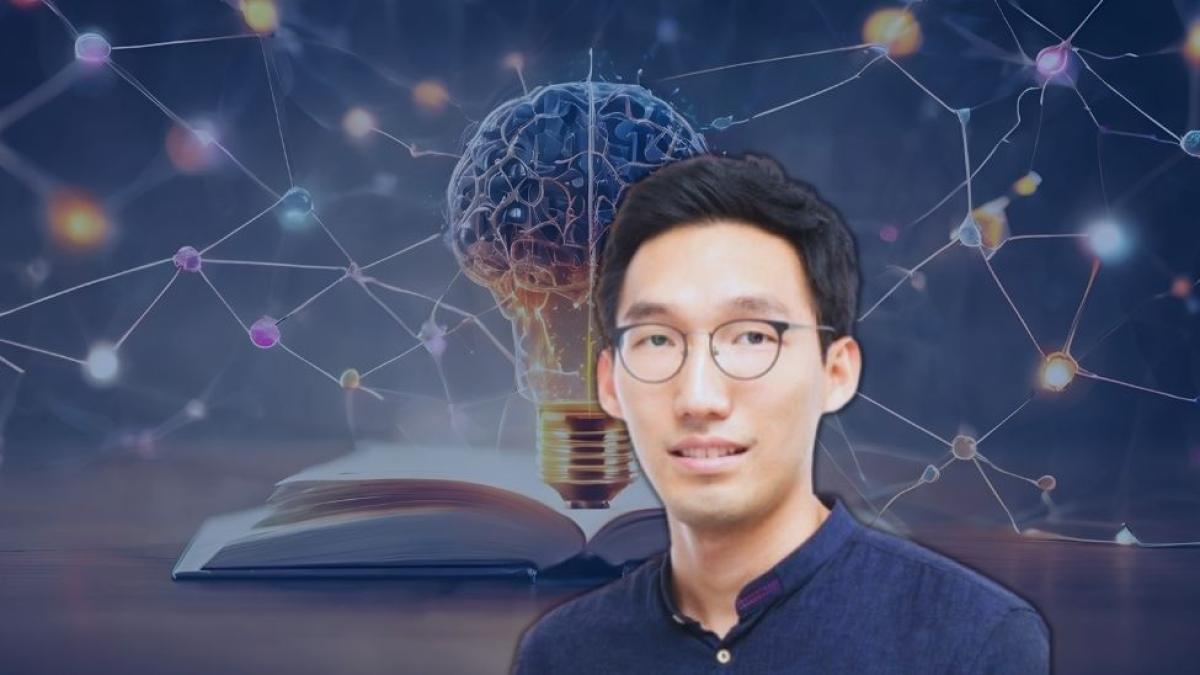
Youngsoo Shin, PhD, an assistant professor in the Seidenberg School of Computer Science and Information Systems at Pace University, recently explored this dynamic in a study published in the International Journal of Human-Computer Studies. Titled “Empathy in Action: An Empirical Exploration of User Perspectives on Conversational Agent Empathy,” the research identifies the specific characteristics that make AI systems feel supportive and trustworthy.
The Four Pillars of Empathetic AI
Shin’s research outlines four critical characteristics that shape how users perceive empathy in conversational agents:
- Active Listening: The system accurately processes and acknowledges the user’s input before generating a response, avoiding generic or disjointed replies.
- Personalization: The AI adapts its responses based on the user’s historical data, preferences, and specific context, making the interaction feel tailored rather than mass-produced.
- Emotional Expressivity: The agent uses appropriate emotional cues in its language. However, the research notes that excessive emotional expressivity can backfire, leading to unintended negative effects if it feels unnatural or intrusive.
- Persona Attractiveness: The perceived personality and relatability of the AI influence how willing users are to engage with it over time.
These findings provide actionable guidance for developers. Building an effective chatbot requires more than just natural language processing capabilities; it requires a careful balance between emotional connection and functional utility. For students studying artificial intelligence education, mastering these nuances is what separates a standard developer from a specialized UX-focused AI designer.
Integrating Human-Centered Design into AI Project Management
While understanding individual user interactions is vital, AI development does not happen in a vacuum. It occurs within complex organizational structures, managed by teams that must balance technical deadlines, budget constraints, and stakeholder expectations. Dr. Shin’s second recent publication, featured in the International Journal of Project Management, shifts the focus from the individual user to the organizational processes that dictate how AI systems are built.
The paper, “From Data to Experience: Framework for Managing Artificial Intelligence System Development Projects,” introduces a comprehensive framework that merges human-centered design principles with data-driven project management. Traditionally, AI project management has focused heavily on technical milestones—data collection, model training, and deployment. Shin’s research argues that this narrow focus often leads to products that technically function but fail to deliver real value to the end user or the business.
Bridging Disciplines for Better Outcomes
The proposed framework encourages project managers to integrate three distinct perspectives:
- Design: Ensuring the product solves a real human problem.
- Data Science: Leveraging data effectively to power the solution.
- Project Management: Orchestrating the timeline, resources, and team collaboration to bring the design and data to life sustainably.
By advocating for this cross-functional approach, the research highlights that successful AI innovation in the USA requires professionals who can speak the languages of multiple disciplines. It is not enough to be an excellent coder; modern tech leaders must understand strategic thinking, long-term value creation, and collaborative team dynamics.
Submit your application today to join a program that prepares you for these multifaceted leadership roles.
The Intersection of Data-Driven and Human-Focused Approaches
A common misconception in the tech industry is that data-driven methodologies and human-centered design are opposing forces. Some argue that focusing too much on user feelings detracts from the objectivity of data, while others claim that relying purely on data ignores the human element. Dr. Shin’s combined research directly challenges this false dichotomy.
As Shin notes, human-centered and data-driven approaches are not in tension. Instead, they can—and should—be integrated to support more effective and sustainable innovation. Data provides the empirical evidence needed to understand user behavior at scale, while human-centered design provides the empathetic framework required to interpret that data correctly and build solutions that resonate.
This synthesis is a core component of modern artificial intelligence education. Students must learn to utilize large datasets to train models while simultaneously evaluating the ethical and practical implications of those models on human lives. Pace University fosters this dual mindset, ensuring graduates are capable of handling the technical rigors of AI development while maintaining a strict focus on user welfare.
Why Prospective Students Should Consider Pace University
Choosing where to study artificial intelligence is a major decision that impacts long-term career trajectory. Prospective students should look for institutions that do not just teach from textbooks, but actively contribute to the ongoing evolution of the field. The research coming out of Pace University’s Seidenberg School of Computer Science and Information Systems demonstrates a clear commitment to advancing human-centered AI.
Faculty members like Dr. Shin are actively publishing in top-tier, highly competitive international journals. This active involvement in research translates directly into the classroom. Students benefit from learning under instructors who are defining best practices in areas like conversational agent empathy and AI project management, rather than simply following industry trends after the fact.
Furthermore, Pace University’s location in the USA, with campuses in New York City and Westchester, provides students with unparalleled access to tech hubs, networking opportunities, and internships. The university emphasizes resume-building experiences and personal mentorship, ensuring that theoretical knowledge is consistently paired with practical application.
Explore our related articles for further reading on how to choose the right technology program for your goals.
Preparing for the Future of AI Innovation
The trajectory of artificial intelligence is clear: the future belongs to systems that are not only powerful but also intuitive, ethical, and genuinely useful to people. Whether designing the next generation of virtual assistants or managing a complex enterprise AI rollout, professionals will need a sophisticated understanding of both human behavior and data architecture.
Pace University continues to drive this innovation through dedicated faculty research and a forward-thinking curriculum. By focusing on human-centered AI, the university is preparing a new generation of technologists to build tools that serve society effectively. For aspiring students and tech professionals, engaging with this type of education is a strategic step toward a meaningful and impactful career.
Have questions? Write to us! We are here to help you navigate your options in the field of artificial intelligence.
Share your experiences in the comments below regarding the challenges you see in making AI more user-friendly.