
How University of New England’s Founders Fireside Chats Build Bridges Between Innovation and Community
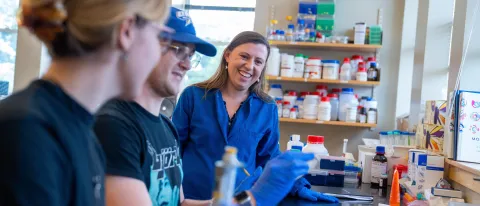
Universities have long served as engines of discovery, producing research that shapes medicine, technology, and business. Yet a persistent gap remains between the ideas generated in academic laboratories and the people who could benefit from them—students wondering if entrepreneurship is within reach, community members seeking connections to innovators, and professionals curious about how research becomes a product. The University of New England is addressing this gap directly through a new initiative that brings entrepreneurial conversations into the open, making the process of building a venture accessible to everyone.
Why Entrepreneurship Feels Out of Reach for Many
For students and early-career professionals, entrepreneurship often exists in a strange paradox. It is celebrated in headlines and business school case studies, yet the actual mechanics of starting a venture remain opaque to most people. What does a founder’s day actually look like? How does someone with a research background transition into commercializing a discovery? What mistakes do first-time entrepreneurs make, and how do they recover?
These questions rarely get answered in traditional lectures or networking events, where conversations tend to stay at a surface level. Attendees leave inspired but uncertain about their own next steps. The result is a population of people who are interested in innovation but unsure how to participate in it.
Scott Wood, Ph.D., director of Biotechnology Innovation and Training at UNE’s Center for Innovation and Entrepreneurship (CIE), recognized this problem. His solution was straightforward: create a format where founders speak candidly, without scripts or sales pitches, about what building something from nothing actually requires.
The Fireside Chat Format: A Return to Genuine Conversation
The Founders Fireside Chats series, launching at UNE’s Biddeford Campus, deliberately avoids the polished panel discussion model that dominates academic and professional events. Instead, it creates space for unscripted dialogue between experienced entrepreneurs and an audience of students, faculty, staff, and community members.
This format matters more than it might initially appear. When founders are invited to speak on formal panels, they often default to rehearsed talking points and carefully curated success stories. Fireside chats, by contrast, encourage the kind of honest reflection that reveals the messy, nonlinear reality of entrepreneurship—the pivots, the rejections, the moments of doubt alongside the breakthroughs.
For aspiring entrepreneurs in the audience, hearing that a successful biotech founder struggled with funding rejections or pivoted away from an initial product idea can be genuinely liberating. It reframes failure not as a disqualifying event but as a normal part of the innovation process.
Bridging Research and the Marketplace
One of the most significant challenges in academic entrepreneurship involves translating laboratory discoveries into commercially viable products and services. Researchers are trained to pursue scientific rigor, publish findings, and secure grants—skills that, while valuable, do not automatically translate to identifying market opportunities, navigating regulatory landscapes, or managing a company’s finances.
UNE’s approach acknowledges this gap by featuring entrepreneurs who have personally navigated the journey from research and development to the marketplace. Eva Rose Balog, Ph.D., a UNE researcher in biotechnology, exemplifies this pathway. Her work represents the kind of science-driven entrepreneurship that is increasingly common in the United States, where university-affiliated researchers launch companies based on their own discoveries.
This model—where the person who made the discovery also drives its commercialization—has produced some of the most impactful companies in the biotechnology sector. But it requires skills and knowledge that traditional academic training does not provide. Programs like the Founders Fireside Chats help fill that void by exposing researchers and students to the practical realities of venture building.
Are you a researcher or student curious about how discoveries become businesses? Explore how your institution’s innovation center can connect you with founders who have made that transition—the insights you gain could reshape your career trajectory.
What Aspiring Entrepreneurs Can Learn from Founder Stories
Every founder’s journey contains lessons that apply broadly, regardless of industry or business model. Based on the kinds of conversations these fireside chats facilitate, here are several themes that consistently emerge from experienced entrepreneurs:
- Timing matters more than perfection. Many founders wait too long to launch because they want their product to be flawless. In practice, markets reward speed and iteration over initial polish.
- Your network is your competitive advantage. Founders who successfully commercialize academic research typically credit mentors, advisors, and peer entrepreneurs with helping them avoid costly mistakes.
- Funding is a skill, not just a resource. Learning how to communicate your vision to investors, grant reviewers, and partners is as important as the underlying innovation itself.
- Failure provides data. Each unsuccessful experiment, rejected proposal, or failed product iteration contains information that improves the next attempt.
These insights are difficult to convey through textbooks or lectures. They require the kind of personal, contextualized storytelling that fireside chats are designed to encourage.
Building a Culture of Innovation Through Community Engagement
Universities that succeed in fostering entrepreneurship do more than offer courses or incubator space—they build a culture where innovation feels normal and attainable. This cultural shift requires sustained effort and, critically, opportunities for community members to see themselves as potential participants rather than passive observers.
The decision to make UNE’s fireside chat series open to the public, not just students and employees, reflects an understanding that innovation ecosystems thrive when they include diverse perspectives. A local business owner, a high school teacher, or a retired engineer may bring questions and insights that enrich the conversation in ways an exclusively academic audience cannot.
Maine’s broader innovation community stands to benefit from these connections. When university researchers, students, and local entrepreneurs share the same room and engage in honest dialogue, the barriers that typically separate these groups begin to dissolve. Students discover that founders are approachable. Community members learn that university research addresses real-world problems. Faculty members identify potential collaborators outside their institutions.
Want to strengthen the innovation ecosystem in your own community? Start by attending events where founders speak openly about their experiences—you may discover opportunities for collaboration or inspiration that formal channels rarely provide.
The Role of Centers for Innovation and Entrepreneurship
UNE’s Center for Innovation and Entrepreneurship represents a growing trend among universities in the USA: dedicated organizational units that serve as connective tissue between academic research and entrepreneurial practice. These centers typically offer a range of services, including mentorship programs, seed funding competitions, workspace for student ventures, and educational programming.
The effectiveness of these centers depends heavily on their ability to create programming that meets people where they are. A student who has never considered entrepreneurship needs a different entry point than a faculty member with a patent-pending technology. The Founders Fireside Chats series serves both audiences simultaneously by creating a low-pressure environment where anyone can learn from experienced founders without committing to a formal program or accelerator.
This accessibility matters because entrepreneurship cannot be forced. People become founders when they see a problem worth solving and believe they have the capacity to solve it. Programming that demystifies the process—by showing real people, with real challenges, building real ventures—helps more people recognize that capacity in themselves.
Practical Steps for Getting Involved in Innovation Communities
Whether you are a student, researcher, professional, or community member, there are concrete steps you can take to engage with entrepreneurship and innovation in your area:
Attend Events Regularly
Speaker series, networking events, and pitch competitions exist in most university towns and metropolitan areas. Attending consistently—not just once—helps you build relationships and develop a deeper understanding of your local innovation landscape. The Founders Fireside Chats at UNE, for example, run throughout the fall semester, offering multiple opportunities to learn from different founders with varying backgrounds and business models.
Ask Specific Questions
When you have the chance to engage with entrepreneurs directly, avoid generic questions like “What advice do you have?” Instead, ask about specific challenges they faced: How did they find their first customer? What was their biggest hiring mistake? How did they decide when to raise outside funding? Specific questions elicit specific, actionable answers.
Follow Up and Stay Connected
After attending an event, connect with speakers and other attendees on professional networking platforms. Many entrepreneurs are willing to serve as informal mentors to people who demonstrate genuine interest and thoughtful engagement.
Have you attended a founder event that changed your perspective on entrepreneurship? Share your experience in the comments below—your story might encourage someone else to take their first step.
Consider Formal Programs When Ready
Once you have developed a clearer sense of your entrepreneurial interests, formal programs—whether university-based accelerators, small business development centers, or industry-specific incubators—can provide structure, resources, and accountability. But informal exposure through events like fireside chats is often the critical first step that makes formal participation feel attainable.
The Broader Implications for Regional Economic Development
Initiatives like the Founders Fireside Chats carry significance beyond individual career development. Regions with strong university-based innovation ecosystems tend to experience higher rates of new business formation, greater retention of educated talent, and increased economic resilience.
Maine, like many states, has worked to diversify its economy beyond traditional industries. Universities play a central role in this effort by producing research that can be commercialized locally, training graduates who launch businesses in the region, and serving as anchor institutions that attract investment and talent. When these institutions actively work to connect their innovation resources with the broader community, the economic benefits multiply.
For community members in Biddeford and the surrounding area, the fireside chat series represents an opportunity to participate in this economic transformation—not as spectators but as potential collaborators, employees, investors, or founders themselves.
Interested in learning more about how universities support entrepreneurship in their communities? Explore the programming offered by your nearest institution’s innovation center and discover the resources available to you.
Conclusion: Making Innovation Accessible
The most significant barrier to broader participation in entrepreneurship is not a lack of ideas or ambition—it is the perception that building a venture requires resources, connections, or credentials that most people lack. Initiatives like UNE’s Founders Fireside Chats challenge this perception by putting real founders in front of real audiences and encouraging honest conversations about what the journey actually involves.
For students considering their career options, for researchers with discoveries that could benefit from commercialization, and for community members interested in the innovation economy, these conversations provide something that no textbook or online course can replicate: direct access to people who have navigated the path themselves.
The series begins this fall at UNE’s Biddeford Campus, and events are open to all—students, employees, and the general public. Whether you attend one session or every conversation in the series, the insights you gain from hearing founders share their stories candidly could inform your own path in ways you cannot yet predict.
Take the first step: find an upcoming entrepreneurship event in your area, attend with specific questions in mind, and introduce yourself to at least one person. The innovation community is more accessible than you might think, and programs like the Founders Fireside Chats exist precisely because institutions recognize that the next generation of founders is sitting in the audience right now.