How Adelphi University’s Accelerated Nursing Program Prepares Career Changers to Meet the U.S. Nursing Shortage
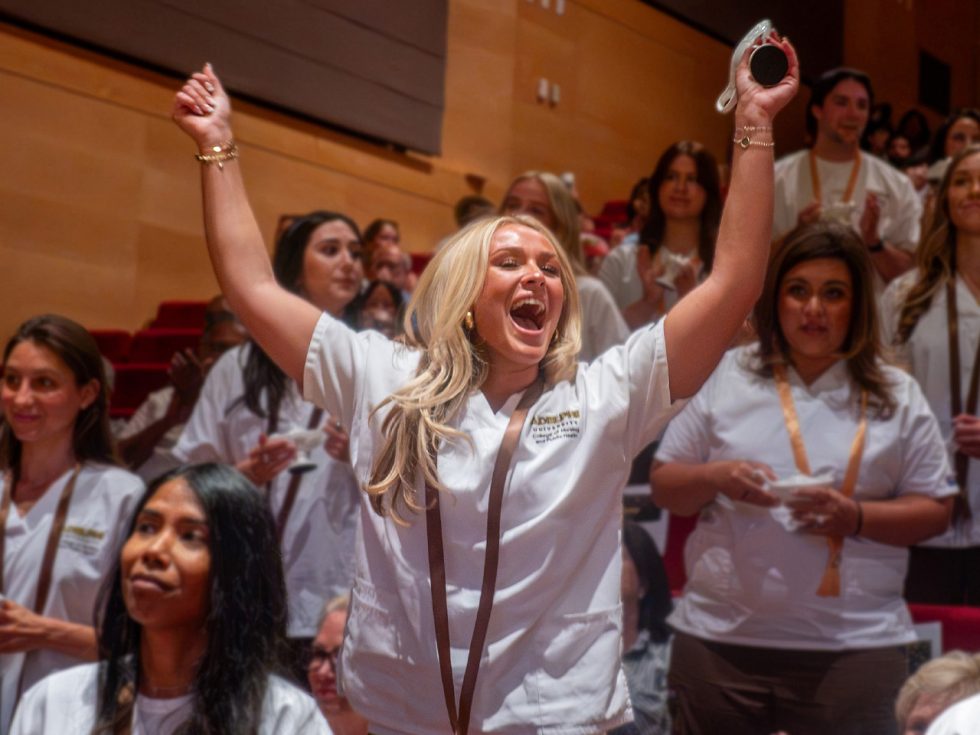
In August 2026, 50 graduates of Adelphi University’s accelerated nursing program crossed the stage at the Adelphi University Performing Arts Center to receive the pins that mark their formal entry into one of the most demanding and essential professions in American healthcare. Faculty, mentors, and family members looked on as these career changers completed an intensive 15-month course of study. At a time when USA nursing news is dominated by reports of staffing gaps, burnout, and rising patient demand, the ceremony offered a different kind of headline: evidence that a well-structured nursing education in the USA can move qualified professionals from the classroom to clinical practice in just over a year.
For readers weighing a second career in healthcare, the event is more than a celebratory photo opportunity. It demonstrates how an accelerated nursing program in the USA operates, who it is designed for, and why the current moment may be advantageous for entering the field. The first step for anyone curious is straightforward: attend an upcoming virtual information session, where admissions staff explain eligibility requirements, program timelines, tuition considerations, and career outcomes in plain terms.
Why the Pinning Ceremony Remains a Cornerstone of Nursing Education in the USA
The nursing pinning ceremony is among the oldest traditions in American healthcare education. Its roots trace back to the 1860s, when Florence Nightingale awarded medals of excellence to outstanding graduate nurses and, in later years, when the lamp associated with her nighttime rounds during the Crimean War became an enduring symbol of the profession. Over generations, the ceremony evolved into a rite of passage that distinguishes nursing graduates from peers in other academic disciplines.
At Adelphi University, the tradition carries personal weight. Each graduate is permitted to select one loved one to do the pinning on stage, a detail that turned the August 2026 ceremony into an emotional milestone for the families who supported these students through months of demanding coursework and clinical rotations. Graduate Lorenzo Meir, for example, was pinned by a loved one as faculty and classmates applauded.
Every Adelphi nursing pinning ceremony concludes with a recitation of the International Council of Nurses Pledge. Reciting this pledge publicly marks the transition from student to practitioner and asks each new nurse to commit explicitly to ethical care, patient dignity, and professional responsibility. In an era when trust in healthcare institutions is under scrutiny, that public commitment carries real significance.
More Than Symbolism: What the Ritual Signals to Employers
Hospital recruiters and clinical managers pay attention to how candidates entered the profession. A pinning ceremony signals that a graduate has completed an accredited, rigorous curriculum and has formally accepted the ethical obligations of practice. For career changers, the ritual also closes one professional chapter and opens another, which can strengthen the narrative they present in job interviews. Graduates at the August ceremony stepped off the stage and moved directly into interviews and placement processes for hospital positions, many of which carry starting salaries approaching $100,000 depending on region and specialty.
Inside Adelphi University’s Accelerated Nursing Program
The program honored at the ceremony is built for a specific audience: people who already hold a bachelor’s degree in any field and want to move into nursing without starting their education from scratch. Rather than requiring a second four-year degree, the accelerated format compresses the necessary coursework, laboratory training, and clinical hours into 15 months of full-time study.
Instruction takes place within Adelphi’s College of Nursing and Public Health, which has built a reputation for combining academic rigor with hands-on clinical placement across Long Island and New York City healthcare networks. Classes now run in two locations: the main campus in Garden City and the university’s newer Manhattan Center. This expansion matters for prospective students who live or work in New York City, because it reduces commute barriers that often prevent working adults from pursuing full-time study.
Submit your application or request detailed program materials early in your research process. Accelerated cohorts fill quickly, and applicants benefit from having prerequisite transcripts evaluated well before enrollment deadlines.
What a 15-Month Format Demands From Students
Compression is the defining feature of any accelerated nursing program in the USA, and it cuts both ways. Students reach the workforce quickly, but the schedule leaves little room for part-time work or extended breaks. Successful candidates typically share a few characteristics:
- Financial preparation. Covering living expenses for 15 months of full-time study reduces the pressure to divide attention between employment and coursework.
- Strong support networks. The graduates pinned by spouses, parents, and close friends in August repeatedly credited those people with making completion possible.
- Academic discipline. The curriculum moves rapidly through anatomy, pharmacology, and clinical judgment, and falling behind is difficult to recover from.
- Willingness to accept feedback. Faculty mentorship is intensive. Program director and assistant professor Irene Auteri, who herself earned degrees from Adelphi in 1979 and 2022, presented academic awards to honored graduates Emily Maistelman, Diana Tritto, and James Bunn at the ceremony, a reminder of how closely faculty track student progress.
Career changers often find that the cohort model becomes an unexpected benefit. Moving through an intensive program alongside the same 30 to 50 peers builds professional relationships that persist into clinical practice, and those networks frequently help graduates find their first hospital positions.
What Current Nursing Shortage News Means for Prospective Students
The national context surrounding the ceremony deserves attention. Hospitals across the country continue to report difficulty filling registered nurse positions as the population ages, experienced nurses retire, and patient acuity rises. Analysts project that the gap between nursing supply and demand will persist for years, particularly in acute care and long-term care settings.
For prospective students, this shortage news translates into concrete advantages. New graduates face a hiring market that actively competes for their skills, signing bonuses are common in many regions, and salary growth prospects remain strong relative to many other fields that require comparable education. The Adelphi program’s emphasis on preparing graduates for careers with six-figure earning potential reflects this market reality rather than marketing exaggeration.
Men in Nursing: A Growing Answer to the Shortage
Photos from the Adelphi ceremony included a notable detail: seven male graduates in uniform, beaming alongside their classmates. Men remain underrepresented in American nursing, yet programs that actively recruit and support them are helping to widen the talent pipeline. Adelphi’s Men in Nursing Association offers networking and career support specifically designed to help male students thrive. If you are a man considering nursing, seek out programs with visible communities like this one, because peer support measurably improves completion rates. Explore related articles on men in nursing and specialty career paths to understand the full range of opportunities available.
How Recent Rankings Strengthen Adelphi University News Coverage
Prospective students should evaluate programs using external benchmarks rather than marketing claims alone. Two recent rankings give the Adelphi accelerated nursing program measurable credibility:
- The program ranks in the top 10 percent of Niche’s 2027 Best Colleges for Nursing in America, a comparison covering hundreds of nursing programs nationwide.
- Adelphi jumped 32 points in the 2026 U.S. News & World Report ranking of Best Colleges for Nursing in America, one of the largest single-year improvements among comparable institutions.
Rankings are not the only factor that matters, but sharp upward movement generally reflects investment in faculty, clinical partnerships, simulation technology, and student outcomes. Schedule a campus visit or a one-on-one consultation to see these resources firsthand and to speak directly with faculty and current students before committing to a program.
Five Steps to Start an Accelerated Nursing Program in the USA
If the August ceremony suggests a path you want to pursue, the following sequence will help you move from interest to enrollment efficiently:
- Confirm your eligibility. Accelerated programs require a completed bachelor’s degree in any field. Liberal arts, business, and engineering backgrounds are all welcome; the program builds nursing knowledge from the ground up.
- Attend an information session. Adelphi and comparable institutions run regular virtual sessions covering admissions, financial aid, and clinical placement. Have questions? Write to the admissions office directly, because specific answers about prerequisites and timelines will shape your planning.
- Audit your prerequisites and finances. Identify any required science coursework you still need and build a realistic 15-month budget, including living expenses and potential lost income.
- Choose your location and format. Compare campuses, commute times, and clinical placement networks. Adelphi’s Garden City and Manhattan locations serve different logistical needs, and other programs across the country offer similar geographic options.
- Commit fully to the intensity. Treat the 15 months as a full-time professional role. Students who plan for the workload from day one report far better outcomes than those who underestimate it.
A Tradition That Marks a Beginning
The Adelphi University pinning ceremony honored 50 individuals, but its significance extends well beyond one event. It shows that motivated career changers can move into nursing quickly, that established traditions still carry meaning in modern healthcare education, and that American nursing schools are producing graduates at the pace the national shortage demands. The graduates who recited the International Council of Nurses Pledge in August now carry both a pin and a professional obligation into hospitals, clinics, and community health settings across the region.
For readers inspired by their example, the practical message is clear: assess your eligibility, gather information, and act on a timeline. Nursing needs qualified people now, and the structures to train them already exist. Share your own experiences with career change or nursing education in the comments below, and use the resources linked throughout this article to take the next concrete step toward a career that combines stability, purpose, and strong long-term earning potential.