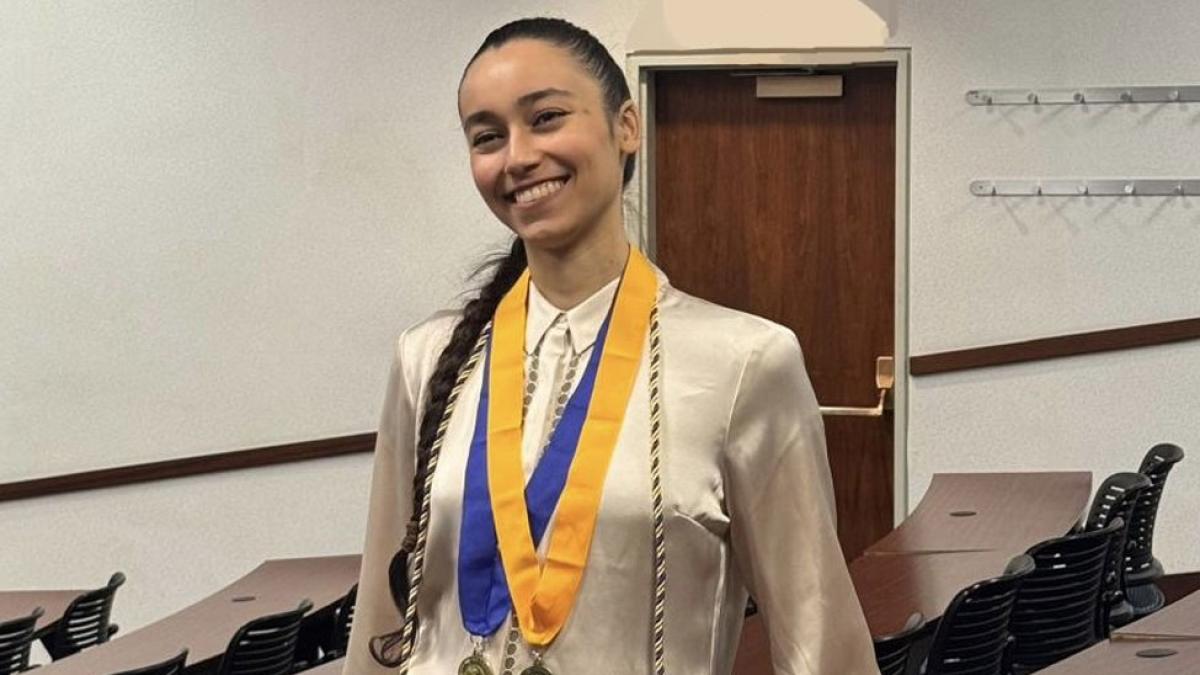
Follow Anna Nahata from Biology to Medical School at Pace University USA
Build a Strong Pre-Med Foundation in the USA
Gaining admission to medical school in the USA requires more than just a high GPA. Admissions committees look for candidates who demonstrate a sustained commitment to the sciences, practical laboratory skills, and a clear understanding of patient care. For students evaluating where to complete their undergraduate studies, the structure of a biology program matters immensely. Anna Nahata, a recent graduate of the BS in Biology program at Pace University, exemplifies how a well-rounded undergraduate experience builds the competencies needed for medical school.
When choosing a university in the USA for pre-medical studies, prospective students should prioritize institutions that integrate hands-on learning directly into the core curriculum. Reading about cellular processes in a textbook provides a necessary theoretical baseline, but physically conducting experiments, analyzing results, and troubleshooting lab equipment teaches the practical application of those concepts. Pace University structures its science courses with a heavy emphasis on laboratory work, allowing students to transition seamlessly from theory to practice. This approach appeals directly to students who learn best by doing and who need to develop the fine motor skills and analytical thinking required in both research and clinical environments.
Submit your application today to start building your own foundation in the sciences.
Gain Hands-On Research Experience in Biology
Undergraduate research is a critical differentiator in medical school applications. It shows admissions committees that a student can think critically, contribute to the scientific community, and commit to a long-term project. Anna Nahata leveraged the resources at Pace University to engage in meaningful biological research early in her academic career. Rather than waiting until her senior year, she sought out opportunities to work alongside faculty members, ultimately securing a position in a genetics laboratory.
Participating in research allows biology students to understand the scientific method from the ground up. Students learn how to design experiments, control variables, collect data, and interpret statistical significance. For pre-med students, this translates directly to the ability to evaluate medical literature critically—a skill that is essential throughout a physician’s career. Furthermore, research experience helps students determine whether they enjoy the investigative side of medicine, which can influence their eventual specialty choices, such as academic medicine or clinical research.
Investigate Genetic Models Like Caenorhabditis elegans
During her time at Pace University, Anna Nahata focused her research on Caenorhabditis elegans, a microscopic nematode widely used as a model organism in biology. While it may seem unusual to study worms in the context of preparing for human medicine, C. elegans shares many essential genetic and cellular pathways with humans. Because of their short lifespan, simple anatomy, and fully mapped genome, these organisms allow researchers to observe genetic mutations and developmental processes in real-time.
Anna’s specific project investigated the role of the TCP11 gene in sperm activation and male fertility. Understanding the fundamental mechanisms of fertility at the genetic level provides crucial insights into reproductive health, a field that intersects directly with human medicine. By manipulating genes and observing the resulting physiological changes in the nematodes, Anna gained firsthand experience in genetics that far exceeded standard classroom learning. This kind of targeted, faculty-mentored research equips students with a deep understanding of molecular biology, preparing them for the rigorous science coursework they will encounter in medical school.
Secure Faculty Mentorship for Academic Excellence
The quality of faculty interaction is a defining feature of a successful undergraduate experience. At large research universities, introductory science courses are often taught in massive lecture halls with limited direct access to professors. In contrast, Pace University offers an environment where students can build professional relationships with their instructors. Anna Nahata credits much of her success to the mentorship she received from Professors Matthew Marcello and David Boerma.
Professor Marcello, who oversaw Anna’s genetics research, provided the guidance necessary to navigate complex experimental designs. Professor Boerma, who taught her anatomy courses, helped demystify intricate physiological systems. Effective mentors do more than simply deliver lectures; they challenge students to think independently, provide constructive feedback on research proposals, and offer career advice tailored to the student’s specific goals. For pre-med students, a strong letter of recommendation from a faculty member who can speak to their research skills, work ethic, and academic curiosity carries significant weight in the medical school admissions process.
Anna’s commitment to academic and research excellence did not go unnoticed. She presented her findings on Caenorhabditis elegans at the Eastern Colleges Science Conference and at Pace University’s own Biology Research Day. These presentations helped her develop the communication skills necessary to explain complex scientific data to diverse audiences—a vital skill for future physicians communicating with patients and colleagues. Consequently, Anna was selected for the highest academic excellence award in the BS in Biology program, proving that active engagement and faculty mentorship yield tangible academic results.
Schedule a free consultation to learn more about finding the right academic mentorship for your goals.
Structure an Effective Gap Year Before Medical School
Transitioning directly from undergraduate studies to medical school is not always the best or most common path. A growing number of successful medical students take a strategic gap year to strengthen their applications, gain real-world clinical experience, and prepare for the MCAT. Anna Nahata is currently utilizing a gap year to ensure she is fully prepared for the rigorous demands of medical education in the USA.
A well-planned gap year should address specific weaknesses in a student’s application or provide experiences that were difficult to obtain while carrying a full course load. For Anna, this means balancing MCAT preparation with active employment and volunteerism in clinical settings. Medical schools prefer applicants who have demonstrated a sustained, realistic understanding of what it means to work in healthcare. A gap year provides the time and flexibility to achieve this without compromising undergraduate academic performance.
Prepare for the MCAT and Clinical Roles
The Medical College Admission Test (MCAT) is one of the most significant hurdles on the path to medical school. It requires extensive preparation, often demanding 20 to 30 hours of study per week for several months. By dedicating a portion of her gap year solely to MCAT preparation, Anna can approach the exam with the focus and rigor it requires, aiming for a score that will bolster her overall application portfolio.
Beyond standardized testing, Anna is accumulating critical clinical hours. She is working part-time as a medical assistant, a role that provides direct patient interaction, familiarity with electronic health records, and an understanding of clinical workflows. Additionally, she is volunteering at South Brooklyn Health Hospital and a local animal clinic. Volunteering in a human hospital exposes pre-med students to diverse patient populations and the realities of the healthcare system, while working in an animal clinic demonstrates a broader commitment to care and empathy.
Furthermore, Anna has secured an internship as a health aide at Maimonides Medical Center in Brooklyn. This level of direct, hands-on patient care experience is highly valued by admissions committees. It proves that the applicant has tested their resolve in a high-pressure medical environment and still chooses to pursue medicine. By diversifying her clinical experiences—working as a medical assistant, a health aide, and a volunteer—Anna is building a robust application that highlights her adaptability and deep commitment to healthcare.
Have questions? Write to us! We can help you plan your pre-med timeline.
Apply These Strategies to Your Own Medical School Journey
The pathway from a biology undergraduate program to medical school is highly competitive, but Anna Nahata’s academic record at Pace University provides a clear, actionable blueprint for success. Aspiring physicians should prioritize universities in the USA that offer immediate access to laboratory work, fostering the practical skills necessary for scientific inquiry. They should actively seek out faculty mentors who can guide them through complex research projects, leading to conference presentations and academic awards.
Furthermore, students must recognize the value of strategic planning, whether that involves engaging in genetics research using model organisms like Caenorhabditis elegans or structuring a gap year to maximize MCAT scores and clinical exposure. Every volunteer shift, every hour spent in the lab, and every presentation delivered builds a compelling narrative for medical school admissions committees. By following a structured, hands-on approach to their biology education, students can position themselves as strong, experienced, and highly capable medical school candidates.
Share your experiences in the comments below to connect with other pre-med students.
Explore our related articles for further reading on preparing for medical school in the USA.