Fairleigh Dickinson University Welcomes New Faculty to the Maxwell Becton College of Liberal Arts and Education
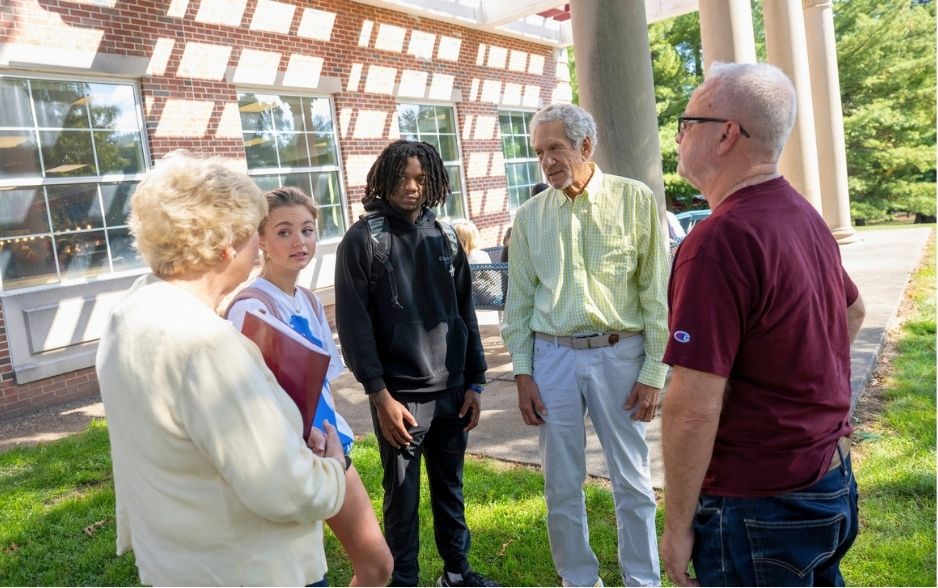
Fairleigh Dickinson University has announced the addition of new faculty members to the Maxwell Becton College of Liberal Arts and Education, a development that carries real weight for current students, prospective applicants, and families evaluating higher education options in the United States. Faculty hiring is one of the clearest indicators of a university’s priorities, and each new appointment shapes what happens in classrooms, laboratories, studios, and seminar rooms for years to come.
For students considering Fairleigh Dickinson University, this college news is more than a routine announcement. It offers a window into how the university invests in teaching quality, academic research, and mentorship — the three factors that most directly influence academic success at the undergraduate and graduate levels. If you are exploring your options, take a moment to explore the academic programs offered at FDU to see where these new educators will make their mark.
Why New Faculty Appointments Matter in USA Education
In the competitive landscape of USA education, universities are frequently judged by rankings, facilities, and outcomes. Yet the single most consistent predictor of a student’s experience is the quality of the professors they encounter. Faculty members design courses, guide research projects, write recommendation letters, and often serve as the bridge between academic study and professional opportunity.
When a university hires new faculty, it signals several things at once. It indicates institutional growth, a commitment to keeping curriculum current, and a deliberate effort to bring fresh expertise to campus. For the Maxwell Becton College of Liberal Arts and Education, welcoming new professors means expanding the range of subjects students can study in depth and the perspectives they encounter in discussion-based courses — a hallmark of liberal arts learning.
Students and families reading college news should pay close attention to hiring announcements. A college that actively recruits scholars and practitioners is a college that is planning for the future, and students benefit directly from that planning.
The Maxwell Becton College of Liberal Arts and Education at a Glance
The Maxwell Becton College of Liberal Arts and Education is a cornerstone of Fairleigh Dickinson University’s academic identity. The college houses programs across the humanities, social sciences, natural sciences, visual and performing arts, and teacher preparation — disciplines that develop critical thinking, communication skills, and ethical reasoning.
Because the college spans such a wide intellectual range, new faculty additions affect a broad cross-section of the student body. A first-year student taking a core writing seminar, an education major preparing for teacher certification, and a psychology student pursuing independent research may all interact with newly appointed professors during their time at FDU.
This breadth also reflects a core principle of liberal arts education: students do not simply train for their first job. They build adaptable skills — analysis, writing, collaboration, and problem-solving — that serve them across decades of professional change. Faculty members are the people who cultivate those skills, which is why every new appointment deserves attention.
What New Faculty Members Bring to FDU Classrooms
Fresh Research and Scholarship
New professors typically arrive with active research agendas shaped by recent doctoral training or professional practice. At a university like Fairleigh Dickinson University, this means students gain access to current debates and methods in their fields rather than a static curriculum. Undergraduates who might otherwise wait until graduate school to encounter serious scholarship can participate in it early — assisting with data collection, co-authoring conference presentations, or simply learning how knowledge in a discipline is produced.
Research-active faculty also strengthen a university’s reputation. Publications, grants, and scholarly presentations raise the institutional profile of FDU, which in turn adds value to every diploma the university awards.
Real-World Professional Experience
In a college that includes teacher education and applied social sciences, many new faculty members bring years of professional practice into the classroom. A professor who has managed a public school classroom, worked in counseling settings, or practiced in a scientific field can connect theory to daily reality. Students consistently report that this connection is what makes coursework feel relevant — and relevance is a powerful driver of academic success.
Diverse Perspectives in the Liberal Arts
New hires also diversify the intellectual community on campus. Different academic lineages, methodological approaches, and life experiences enrich classroom discussion. In small seminar settings, where students are expected to argue, defend, and revise their ideas, exposure to varied viewpoints is not a luxury. It is the core mechanism by which liberal arts education develops judgment.
If these classroom dynamics appeal to you, schedule a visit to an FDU campus and sit in on the environment firsthand. Nothing in a brochure replicates the experience of seeing faculty and students in conversation.
The Link Between Faculty Quality and Academic Success
Families evaluating universities often ask about graduation rates and job placement, and those metrics matter. But behind both numbers sits a simpler variable: whether students form meaningful relationships with professors. Decades of research on student retention point to the same conclusion. Students who know at least one faculty member well are more likely to persist through difficult semesters, seek help early, and complete their degrees.
New faculty strengthen this support network in several concrete ways:
- Mentorship capacity: Additional faculty mean more mentors available for independent studies, honors projects, and career advising.
- Course availability: More instructors allow departments to offer more sections and specialized electives, reducing scheduling bottlenecks that delay graduation.
- Updated curriculum: New professors refresh course content, ensuring that what students learn reflects the current state of their discipline.
- Professional networks: Each appointment brings connections to graduate programs, school districts, studios, research institutions, and employers.
For education majors in particular, faculty with recent school-based experience understand the realities new teachers face — classroom management, standardized assessment, family communication — and can prepare candidates accordingly. This practical grounding directly supports career readiness and long-term academic success.
What Prospective Students Should Ask About Faculty
Reading about new faculty is a good starting point, but prospective students should go further. When comparing programs in USA education, bring these questions to admissions counselors or department offices:
- Who will teach my first-year courses — full-time faculty or teaching assistants?
- What research opportunities exist for undergraduates, and how do students connect with faculty mentors?
- How accessible are professors outside of class? Ask about office hours, advising structures, and typical class sizes.
- Where do recent graduates of this department work or study? Faculty networks often shape these outcomes.
- How has the department changed recently? New hires, new programs, and new facilities all indicate momentum.
Universities that welcome such questions — and answer them with specifics — tend to be institutions confident in their academic communities. If the Maxwell Becton College of Liberal Arts and Education sounds like the right environment for your goals, submit your application to Fairleigh Dickinson University today to begin the conversation with an admissions team that can connect you with the departments and professors relevant to your interests.
How to Stay Current on College News at FDU
Faculty announcements are one strand of a broader story. Universities evolve each academic year — through program launches, campus improvements, student achievements, and community partnerships. Families and applicants who follow college news systematically make better-informed decisions than those who rely on a single campus visit or brochure.
Practical steps include subscribing to the university news feed, following academic departments on social media, attending virtual information sessions where faculty sometimes present, and reading student publications for an unfiltered view of campus life. Prospective students can also contact the FDU admissions office directly with questions about specific departments, and staff can often arrange conversations with current faculty or students.
Current students should take note as well. A newly arrived professor may be looking for research assistants, club advisors, or volunteers for community projects. Introducing yourself early in the semester — a brief email or a visit during office hours — can open doors that remain closed to students who wait.
A Stronger Academic Community for the Years Ahead
The arrival of new faculty at the Maxwell Becton College of Liberal Arts and Education reflects Fairleigh Dickinson University’s ongoing commitment to academic excellence in USA education. Every appointment adds teaching capacity, research energy, and mentorship potential to a college that prepares students in the liberal arts and in one of society’s most consequential professions: teaching.
For students, the practical takeaway is straightforward. Faculty quality shapes your education more than almost any other institutional factor. Watching how a university invests in its people — through hiring, retention, and support for scholarship — tells you more about its future than slogans ever will.
Have questions about how faculty expertise aligns with your intended major? Write to the university and ask. And if you found this overview useful, share it with other families navigating the college search, and check back for ongoing college news covering FDU academics, admissions, and campus developments.