Alex Obert and the University of the Pacific: A Three-Time Olympian’s Water Polo Legacy
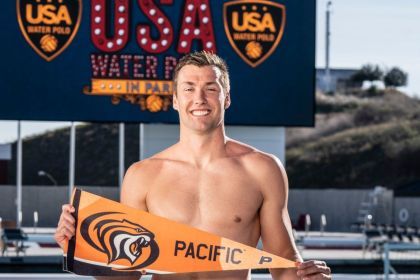
Alex Obert’s name has become synonymous with excellence in American water polo. As a three-time Olympian representing Team USA, his career spans nearly two decades of dedication, culminating in a bronze medal at the 2024 Paris Olympics. Yet, the foundation for this remarkable athletic journey was built at the University of the Pacific, where Obert transformed from a promising recruit into one of the most accomplished players in the program’s history. Now, as he transitions from competition to mentorship, his story offers valuable insights for aspiring athletes and water polo enthusiasts alike.
Building a Foundation at University of the Pacific
Every elite athlete’s career begins with critical early decisions, and for Alex Obert, choosing the University of the Pacific proved pivotal. Arriving on the Stockton campus, Obert immersed himself in an environment that balanced rigorous academics with high-level athletic competition. As an engineering student, he demonstrated that athletic excellence and academic achievement need not be mutually exclusive—a lesson that resonates with student-athletes navigating similar paths today.
Under the guidance of Head Coach James Graham, who coached Obert from 2011 to 2015, the young athlete developed the technical skills, tactical understanding, and mental resilience required to compete at the highest levels. Graham’s influence extended beyond the pool, helping shape Obert’s character and work ethic—qualities that would serve him throughout his international career.
Have questions about balancing academics and athletics at the collegiate level? Write to us!
The 2015 Season: A Defining Campaign
Obert’s senior year at Pacific stands as a testament to what focused preparation and team cohesion can produce. The Tigers embarked on a postseason run that captured national attention, beginning with a Mountain Pacific Sports Federation championship victory over UCLA—one of the sport’s most storied programs. This was followed by a dramatic semifinal win against Stanford, propelling Pacific to the NCAA championship match.
Individually, Obert’s performances earned him recognition as a finalist for the Peter J. Cutino Award, presented annually to the top men’s water polo player in the United States. He also secured All-American honors in 2013, establishing himself as a consistent force in collegiate water polo. These achievements did not go unnoticed by national team selectors, setting the stage for his transition to international competition.
Representing Team USA on the Olympic Stage
The leap from collegiate standout to Olympian requires more than physical ability—it demands an adjustment to faster pace, more complex tactical systems, and the pressure of competing for national pride. Obert made this transition successfully, earning a spot on the USA Men’s National Team and beginning a run that would span three Olympic Games.
His Olympic debut came at the 2016 Rio de Janeiro Games, fulfilling a dream that had driven him through years of training. The 2020 Tokyo Olympics, held in 2021 due to the pandemic, presented unique challenges that tested athletes’ adaptability and mental fortitude. Obert navigated these circumstances while maintaining his role as a reliable contributor to the American squad.
The 2024 Paris Olympics marked the culmination of Obert’s competitive career, where he helped Team USA secure a bronze medal. This achievement represented both personal vindication and a contribution to the broader goal of elevating American water polo on the global stage. For a sport where European nations traditionally dominate, every Olympic medal holds significant meaning for the development of the game in the United States.
Explore our related articles for further reading on Pacific Athletics and Olympic alumni.
The Value of Multi-Olympic Experience
Competing in three Olympic cycles provided Obert with perspective that few athletes attain. Each Games brought different teammates, coaching philosophies, and competitive contexts. This accumulated experience made him a valuable veteran presence, capable of guiding younger players through the unique pressures of Olympic competition. The ability to perform consistently across multiple four-year cycles speaks to both his physical maintenance and his psychological approach to the sport.
From Player to Leader: The General Manager Role
Retirement from competitive play does not necessarily mean stepping away from the sport. For Obert, the next chapter involves shaping the future of Pacific water polo from an administrative perspective. Last summer, he was appointed as the first-ever men’s water polo general manager at the University of the Pacific—a newly created position reflecting the program’s commitment to elevating its national profile.
In this role, Obert focuses on bolstering recruiting efforts and organizing events that showcase the program to prospective student-athletes. His recent retirement celebration, held at the Douglass M. Eberhardt Aquatics Center during an exhibition match between Team USA and Italy, exemplified the type of high-profile event that can attract attention and demonstrate the program’s connections to the sport’s highest levels.
Submit your application today to explore opportunities at University of the Pacific.
Bridging the Gap Between College and International Competition
Obert’s unique position—having recently competed at the Olympic level while now working in collegiate athletics—allows him to serve as a bridge between these two spheres. He understands what national team coaches seek in young players, and he can communicate these expectations to current college athletes. This insight is particularly valuable in water polo, where the pathway from college to senior national team competition can be less straightforward than in sports like basketball or football.
His presence also signals to recruits that Pacific offers genuine pathways to the highest levels of the sport. When a program’s general manager is a recent three-time Olympian, the message to prospective athletes becomes clear: this is a place where serious water polo careers can begin.
Lessons from a Two-Decade Water Polo Career
Reflecting on his journey, Obert has emphasized that water polo provided him with far more than medals and accolades. The sport shaped his personal life—meeting his wife, Michele, during his time at Pacific—and instilled values of perseverance, teamwork, and accountability that extend beyond athletic competition.
His expressed gratitude toward family, friends, coaches, and the university highlights an often-overlooked aspect of elite athletic success: no one reaches the Olympic stage alone. The support systems that sustain athletes through years of training, competition, and recovery deserve recognition alongside the athletes themselves.
What Aspiring Water Polo Players Can Learn
For young athletes aspiring to follow a similar path, Obert’s career offers several practical lessons. First, the importance of choosing a collegiate program that provides both competitive opportunity and personal development cannot be overstated. Pacific offered Obert the chance to compete against elite competition while earning an engineering degree—a combination that prepared him for life both during and after his playing career.
Second, longevity in sport requires attention to factors beyond pure athletic training. Managing relationships, maintaining perspective during setbacks, and planning for post-competition careers all contribute to sustained success. Obert’s smooth transition into his general manager role suggests he approached these aspects of his career with the same intentionality he brought to pool training.
Finally, giving back to the programs that supported you creates a positive cycle that benefits future generations. By returning to Pacific in an administrative capacity, Obert ensures that his experience continues to benefit the program and its athletes long after his competitive days have ended.
Schedule a free consultation to learn more about athletic programs at University of the Pacific.
The Future of Pacific Water Polo
With Obert now leading recruiting efforts and program development, Pacific water polo enters a new era. The creation of the general manager position signals institutional commitment to competing at the highest levels of collegiate water polo. Combined with the program’s existing infrastructure—including the Douglass M. Eberhardt Aquatics Center—and coaching continuity under James Graham, the pieces are in place for sustained success.
The exhibition match against Italy that served as Obert’s retirement celebration also demonstrated the program’s ability to host international-caliber events. Bringing Team USA and a top European opponent to Stockton provides exposure for current players, excitement for fans, and a showcase for recruits considering their collegiate options.
A Legacy That Extends Beyond the Pool
When Coach Graham described Obert as someone who “embodies what is possible through hard work, commitment and belief in your goals,” he was identifying qualities that transcend any single sport or athletic career. The idea that a student can arrive at Pacific, dream of Olympic competition, and actually achieve that dream carries motivational power for athletes across all sports.
Obert’s journey from Stockton to three Olympic Games and back again illustrates the cyclical nature of athletic development. The same program that developed him now benefits from his experience and connections. Future Tigers will train in the same facility, learn from coaches who shaped an Olympian, and potentially follow a similar path to international competition.
As water polo continues to grow in the United States, stories like Alex Obert’s become increasingly important. They demonstrate that American athletes can compete with the world’s best, that collegiate programs can serve as genuine development pathways, and that athletic careers can evolve into meaningful second acts in coaching, administration, or other roles within the sport.
For the University of the Pacific community, Obert’s return represents more than nostalgia for past accomplishments. It represents a forward-looking investment in the program’s future—one guided by someone who has walked the path from campus pool to Olympic podium and understands exactly what it takes to help others do the same.
Share your experiences with Pacific Athletics in the comments below!