
Advance Student Access in the USA with a Pace University Public Administration Degree
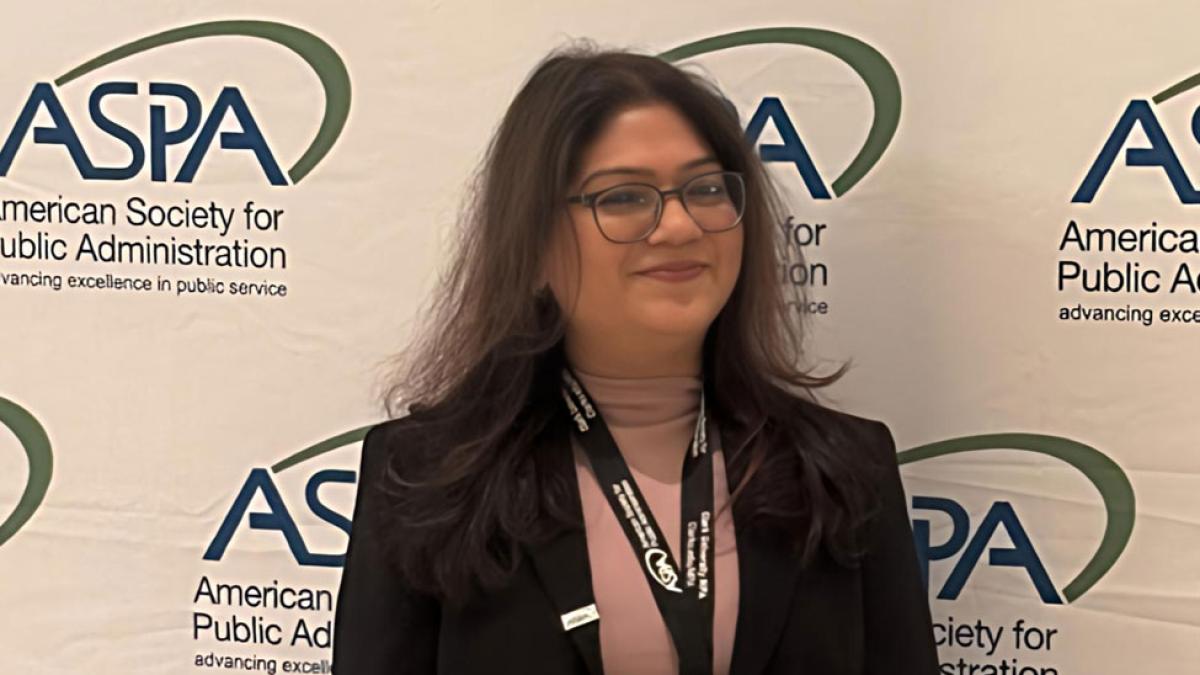
Consider the transition from analyzing political systems to actively managing the public services those systems dictate. For professionals with a background in political science or international relations, moving into the operational side of governance requires a specific set of practical skills. A Master of Public Administration (MPA) provides that necessary framework, bridging the gap between theoretical policy study and the actual delivery of educational opportunities. By examining real-world case studies, such as the academic and professional progression of recent graduates, prospective students can better understand how an MPA directly facilitates careers focused on student access and equity in the United States.
Connect Academic Theory to Practical Public Service Careers
Working in public administration means taking responsibility for the systems that impact daily life, particularly in the education sector. Professionals in this field do not merely debate policy; they implement it. For individuals transitioning from teaching or international academic backgrounds, an MPA offers a structured pathway to shift from the classroom or the research library into administrative leadership. This degree focuses on the mechanics of how public organizations function, how budgets are managed, and how programs are evaluated for effectiveness.
When evaluating graduate programs in the USA, prospective students should look for curricula that emphasize results-focused academics. The goal is to find a program that treats public administration not as an abstract concept, but as a practical tool for social good. Programs that integrate resume-building experiences into the core requirements ensure that graduates do not just leave with a diploma, but with a verifiable portfolio of work demonstrating their capability to manage public programs and improve student access.
Submit your application today to begin your transition from political theory to public administration practice.
Build a Foundation in Equity and Governance at Pace University
Selecting the right institution is a critical decision for anyone looking to impact student access. Pace University offers a distinct advantage due to its location and its structured approach to professional development. Studying in New York provides immediate proximity to a complex network of public, private, and non-profit organizations. Students are not isolated on a rural campus; they are embedded in a metropolitan environment where public administration happens in real time.
Within the Dyson College of Arts and Sciences at Pace University, the MPA program specifically targets the intersection of governance and equity. The curriculum challenges students to ask who benefits from public policies and who is left behind. This focus is essential for anyone intending to work in student access, where the primary objective is often to dismantle systemic barriers that prevent marginalized or underrepresented populations from achieving their educational goals. The coursework provides a grounded, realistic view of the bureaucratic hurdles and strategic solutions involved in running equitable public programs.
Leverage Faculty Mentorship for Career Advancement
The value of a graduate program is heavily dependent on the quality of its faculty. In public administration, the best professors are those who maintain active roles in the field, bringing current research and real-world problems into the classroom. Effective mentorship goes beyond academic advising; it involves career coaching, interview preparation, and navigating the complexities of the job market.
For example, students who engage deeply with faculty often secure research assistantships that extend beyond graduation. These ongoing professional relationships allow recent graduates to contribute to grant-writing efforts and academic publications, such as the Journal of Social Equity and Public Administration. This continuous engagement keeps new professionals connected to academic rigor while they apply their skills in the workforce. When assessing MPA programs, prospective students should actively investigate the faculty-to-student ratio and the availability of professors for one-on-one mentorship.
Translate Classroom Knowledge into Actionable Student Support
The ultimate test of an MPA program is its ability to prepare students for the realities of the workplace. A compelling example of this transition is moving from a graduate student role into a position like a program assistant for a STEM scholars initiative at a major research university. In these roles, the theoretical frameworks learned in governance and equity classes are applied directly to the ground-level execution of student access programs.
Program assistants in higher education are tasked with the logistical and administrative heavy lifting required to make educational opportunities a reality. This includes coordinating Summer Bridge programs designed to acclimate incoming undergraduates to the rigors of university life, managing academic year support structures, and tracking student progress metrics. An MPA graduate is uniquely qualified for this work because they understand how to align daily operational tasks with broader institutional goals and grant requirements. They know how to navigate the administrative bureaucracy to secure the resources that students need to succeed.
Schedule a free consultation to learn more about how a public administration degree can prepare you for roles in higher education support.
Navigate the Transition from International Student to US Professional
The pathway from an international academic background to a professional role in the USA presents specific challenges. Many individuals arrive with extensive experience—such as holding an MPhil or having taught at the university level in their home countries—but find that the American professional landscape requires different credentials and networking strategies. An MPA from a US institution acts as a crucial bridge, translating international experience into a format recognized by domestic employers.
Furthermore, faculty who understand the unique pressures faced by international students provide an essential support system. Navigating visa requirements, understanding American workplace norms, and building a professional network from scratch are daunting tasks. Programs that intentionally support international students through mentorship and practical career services see higher rates of post-graduation employment in relevant fields. The ability to leverage a New York-based university network is particularly beneficial, as the region hosts a high concentration of non-profits, government agencies, and educational institutions eager to hire diverse talent with global perspectives.
Explore our related articles for further reading on strategies for international students entering the US workforce.
Combine Research and Grant-Writing with Practical Experience
A successful career in public administration rarely relies on a single skill set. Professionals must be adept at both program execution and the financial mechanisms that sustain those programs. Grant-writing is one of the most critical skills in the non-profit and public education sectors. Without successfully secured grants, programs aimed at increasing student access simply cannot exist.
Graduates who continue to engage in research and grant-writing post-graduation maintain a competitive edge. By working simultaneously as a program assistant implementing student access initiatives and as a research assistant analyzing public administration trends, professionals build a dual-profile. They become practitioners who understand the data and academics who understand the practical limitations of implementation. This combination is highly attractive to employers who need leaders capable of both securing funding and managing the resulting programs effectively.
Identify Key Steps to Enter Public Administration and Education Access
For prospective students looking to follow a similar path into student access and public administration, a deliberate approach is necessary. The following steps outline a strategic pathway into the field:
- Define your equity focus: Public administration is a broad field. Identify specifically where you want to make an impact, whether that is STEM education access, first-generation student support, or broader policy reform.
- Seek programs with integrated practical experience: Avoid programs that rely solely on exams and essays. Look for MPA programs that require capstone projects, internships, or direct engagement with public sector organizations.
- Prioritize faculty mentorship: Before enrolling, reach out to current students or alumni to gauge the accessibility and involvement of the faculty. Your advisors will be your primary bridge to employment.
- Target geographic hubs: Studying in areas with dense networks of public and non-profit organizations, such as New York, provides immediate internship and networking opportunities that rural settings cannot match.
- Develop auxiliary skills early: Start building your grant-writing and data analysis skills immediately. These practical abilities will set you apart from candidates who only possess theoretical knowledge.
Have questions? Write to us! We can help you determine if a career in public administration aligns with your professional goals.
Evaluate the Long-Term Value of an MPA Degree
Investing in a graduate degree requires a clear understanding of the return on investment. In the field of public administration, the ROI extends beyond starting salary. While MPA graduates do see measurable increases in earning potential, particularly as they move into mid-level management and director roles, the primary value lies in career stability and the authority to effect change.
Professionals with an MPA are qualified to lead the institutions that shape society. Whether managing a university department focused on student access, directing a non-profit focused on educational equity, or analyzing policy for a government agency, the degree provides the credentials necessary to sit at the decision-making table. Pace University graduates, for instance, consistently demonstrate that the combination of a rigorous academic foundation and New York-based practical experience results in immediate employability and long-term career progression.
For those committed to ensuring that educational opportunities are distributed equitably in the USA, a Master of Public Administration is not just an academic credential; it is the operational manual for making that vision a reality. By choosing a program that emphasizes practical application, faculty mentorship, and a focus on governance, aspiring public servants can position themselves to lead meaningful, systemic change in student access.
Share your experiences in the comments below if you have transitioned into public administration from another field.