
Adelphi Nursing Faculty Evaluate The Pitt HBO Series for Realistic ED Portrayals
How The Pitt Captures Emergency Department Reality in USA Healthcare
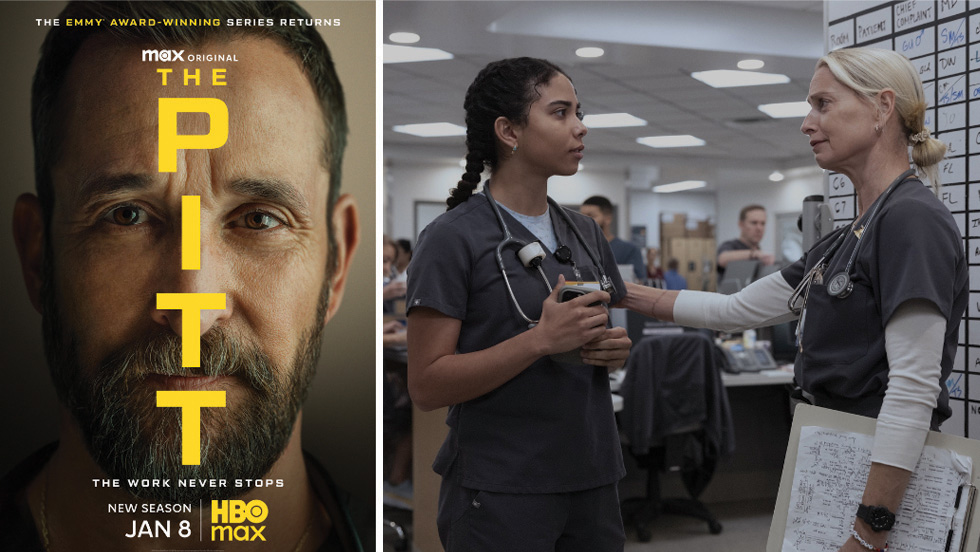
>HBO’s medical drama The Pitt has generated significant attention across the USA for its intense, character-driven portrayal of life in a Pittsburgh trauma center emergency department. Conceived by and starring Noah Wyle, the series has drawn praise from viewers and critics alike for its commitment to depicting the chaotic, high-stakes environment where nurses and physicians work side by side. But for those actually working in emergency medicine, the question remains: how accurately does this HBO series reflect the daily realities of nursing?
>To answer this question, two experienced emergency department professionals from Adelphi University’s College of Nursing and Public Health—Associate Dean Jordan Yakoby, EdD, and Clinical Associate Professor Daniel McWeeney, DNP—examined several key scenes from the show. Both faculty members bring years of hands-on ED experience to their analysis, offering valuable perspectives on where The Pitt succeeds and where it takes necessary creative liberties for television storytelling.
>
Their assessments reveal a show that largely gets the atmosphere and core challenges right, even if it occasionally compresses timelines or amplifies drama for narrative purposes. For aspiring nurses and current healthcare professionals watching the series, understanding this balance between realism and entertainment provides useful context for evaluating medical media.
>Explore Adelphi’s nursing programs to prepare for real-world emergency department challenges.
>
Multilingual Communication Among Nursing Staff
>
One of the earliest and most remarked-upon elements of The Pitt involves Filipina nurses Perlah and Princess, who frequently switch to Tagalog during their shifts. This portrayal of multilingual communication in the workplace resonates with many healthcare workers who have experienced similar dynamics in diverse hospital settings across the USA.
>
Dr. Yakoby notes that the close proximity and high-pressure environment of emergency departments naturally fosters camaraderie among staff, which can lead to more informal interactions than found in other hospital units. However, he observes that switching languages specifically to discuss patients or colleagues in front of them would be less common in practice. Dr. McWeeney adds that multilingual nurses do use their native languages during shifts, but typically for friendly conversation rather than patient-related discussions. He emphasizes that experienced nurses frequently discuss and question providers’ assessments and orders, but usually in English to maintain clear communication about patient care.
>
This scene highlights an important aspect of modern American healthcare: the diverse, multilingual workforce that serves equally diverse patient populations. The representation of Filipino nurses, who make up a significant portion of the USA nursing workforce, adds authenticity to the show’s setting and acknowledges the contributions of internationally educated nurses.
>
Workplace Violence Against Nurses: A Documented Problem
>
Perhaps the most sobering storyline in The Pitt involves an aggressive patient assaulting charge nurse Dana Evans. The show presents this incident as an unfortunate but recognizable part of emergency nursing, and the faculty experts confirm this accuracy with troubling real-world context.
>
Dr. McWeeney describes workplace violence as unfortunately common in emergency departments, noting that security alerts due to aggressive or threatening patients occur on most of his shifts. While verbal aggression is more frequent, he confirms having colleagues who have been physically assaulted. Many hospitals, including his own, have responded by increasing security officer presence and implementing training for active shooter scenarios.
>
Dr. Yakoby speaks from personal experience, acknowledging that he has been assaulted more than once during his career. He explains that these incidents typically involve patients with psychiatric conditions or those impaired by alcohol or substances. While larger trauma centers maintain security staff in the ED at all times, they cannot be everywhere simultaneously, and predicting when someone will become aggressive remains difficult.
>
This aspect of The Pitt’s storytelling serves an important function beyond entertainment: it raises public awareness about a serious occupational hazard that nurses face daily. For those considering nursing careers, understanding this risk is essential for making informed decisions and preparing appropriately.
>
Processing Patient Loss in High-Volume Settings
>
The death of regular patient Louie from alcohol-related complications provides The Pitt with an opportunity to explore how nurses process grief during their shifts. Nurse Perlah’s visible emotional struggle and her colleagues’ adjustments to compensate for her distress represent a nuanced look at an often-overlooked aspect of healthcare work.
>
Dr. Yakoby explains that emergency department nurses typically do not spend extended time with individual patients, making deep emotional connections less common than in other care settings. However, he acknowledges that certain circumstances—particularly involving “frequent flyers” who are pleasant despite their struggles—can hit home when those patients pass away. The complexity of these relationships, where patients may be difficult due to substance abuse but still elicit care and concern, reflects real ED dynamics.
>
Dr. McWeeney speaks to the personal reality of managing grief while working, sharing that there have been shifts where he needed to step away briefly to cry or reset with deep breaths. He notes that many hospitals now have support systems for staff after traumatic events, citing his facility’s “Team Lavender” which provides stress-relief resources like lavender oils, teas, and chocolates. This institutional recognition of staff emotional needs represents progress in healthcare workplace culture.
>
For nursing students, this storyline illustrates an important lesson: self-care and emotional processing are not optional luxuries but essential components of sustainable nursing practice.
>
Cross-Training and Mentorship in Emergency Care
>
A scene showing nurse Donnie guiding physicians through proper subcutaneous suturing technique during a challenging case raises questions about the scope of nursing practice and the mentorship dynamics in emergency departments.
>
Dr. McWeeney clarifies that while registered nurses do not typically perform suturing, they are frequently involved in teaching and precepting new nurses on ED-specific skills such as intravenous catheter placement. The pressure to see more patients can limit in-depth teaching moments during procedures, but experienced nurses often find opportunities to recap and educate later in shifts when time allows.
>
Dr. Yakoby notes that having a nurse directly perform part of a procedure would be atypical. However, he emphasizes that seasoned nurses often guide junior residents through practice or help them access resources to perform procedures correctly. His observation that physicians-in-training benefit from listening to experienced nurses reflects the collaborative nature of effective emergency care, even if hierarchical structures sometimes obscure this reality on television.
>
This dynamic speaks to the expertise that nurses develop over years of practice—expertise that supplements and supports physician training, even when formal recognition of this role may be limited.
>Discover Adelphi’s Accelerated Nursing program for career changers entering the field.
>
Sexual Assault Nurse Examiner (SANE) Role Accuracy
>
When charge nurse Dana leads a sexual assault survivor through a forensic examination as a Sexual Assault Nurse Examiner (SANE), The Pitt enters territory that requires exceptional sensitivity and technical accuracy. This specialized nursing role demands additional training beyond standard emergency nursing preparation.
>
Dr. McWeeney praises the scene’s accuracy, noting that time pressure is a significant factor in sexual assault cases. The heightened concern for errors and potential litigation makes SANE training essential, and Dana’s portrayal demonstrates the trust-building, step-by-step approach that helps patients understand what to expect during these examinations.
>
Dr. Yakoby identifies this type of trauma-informed care as an area where nursing truly excels. The emotional support, attention to comfort and privacy, and intentional, thoughtful approach to these vulnerable patients represent nursing at its best. He notes that most healthcare workers recognize the difficulty these patients are experiencing and strive to provide appropriate care during these critical moments.
>
For viewers unfamiliar with SANE nursing, this storyline illuminates a vital but often invisible specialization within emergency care—one that combines technical forensic skills with advanced interpersonal abilities.
>
What The Pitt Gets Right—and Where It Takes Artistic License
>
Both faculty experts agree that The Pitt captures the fundamental intensity and pace of emergency department work. Dr. McWeeney acknowledges that the show accurately reflects the chaos and volume of patients, even if it concentrates more critical cases into single shifts than typically occurs. He notes, however, that his own career has included shifts as intense as those depicted, with multiple patients requiring simultaneous lifesaving interventions.
>
Dr. Yakoby observes that the show takes some artistic liberty with nursing visibility, noting that nurses handle more frontline cases in real EDs than the show depicts. This compression makes narrative sense—since the main characters are physicians, screen time naturally favors their perspectives—but it does underrepresent nursing’s autonomous contributions to emergency care.
>
Overall, the faculty assessment suggests that The Pitt succeeds where many medical dramas fail: in presenting healthcare as a collaborative endeavor where nurses play essential, skilled roles rather than merely supporting physicians. The show’s willingness to explore nursing-specific challenges—workplace violence, grief, specialized roles like SANE—sets it apart from predecessors that focused almost exclusively on doctors.
>Have questions about nursing education? Schedule a free consultation to learn more.
>
Preparing for Real Emergency Nursing Careers
>
While television dramas like The Pitt can provide glimpses into emergency nursing reality, they cannot substitute for the comprehensive education and clinical experience required to work in these demanding environments. Aspiring nurses need programs that combine rigorous academic preparation with hands-on clinical training under experienced preceptors.
>
Adelphi University’s College of Nursing and Public Health offers multiple pathways for students interested in emergency and critical care nursing, including traditional undergraduate programs, accelerated options for career changers, and advanced practice degrees for those seeking expanded roles. The college’s faculty brings real-world experience to the classroom, ensuring that students learn not just technical skills but also the emotional resilience and professional adaptability that emergency nursing demands.
>
For those particularly interested in the specialized roles depicted in The Pitt—such as Sexual Assault Nurse Examiner or psychiatric mental health nursing—targeted certificate and graduate programs provide the additional training these positions require. Understanding the realities behind television portrayals can help prospective students identify which specializations align with their interests and career goals.
>
Share your experiences with medical drama portrayals of nursing in the comments below, or explore our related articles for further reading on nursing education and emergency care careers.