Veterans Day at Simmons University Celebrates Service and Community Engagement
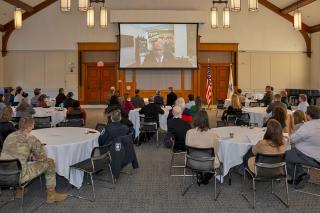
Veterans Day is a national moment to honor those who have served the United States, and Simmons University rises to that occasion with a powerful blend of reflection, education, and action. The campus community—students, faculty, veterans, and local residents—gathers annually to recognize the sacrifices made by service members and to reaffirm the university’s commitment to community engagement and veteran support.
A Heritage of Respect: From Armistice to Veterans Day
Veterans Day, originally known as Armistice Day, officially took on its current name in 1954 when President Dwight D. Eisenhower signed the bill that honored all American servicemen and women, not just those who fought in a single conflict. The first modern celebration happened in Birmingham, Alabama, in 1947, and since then, the day has grown into a nationwide tribute to commitment, courage, and service. Simmons University’s own history of 125 years intersects with this national narrative—its alumni, faculty, and students have been enshrined in the fabric of American history.
How the Symposium Brings History to Life
Each year, the university’s Veterans Day program is a staged ceremony that merges tradition with contemporary relevance. The service of the university’s own ROTC cadets, the posting of colors by the Liberty Battalion, and the use of symbolic objects—salts for the missing, candles for hope—create a ritual experience that honors the past while advocating for the future of veterans in the community.
The Power of Cross‑Sector Collaboration
One of the key strengths of Simmons Day’s program is its collaborative nature. Military veterans, university officials, local politicians, and student leaders converge to create a comprehensive support network that goes beyond symbolic gestures. Vice Provost Dr. Leanne Doherty highlighted the partnership with Boston’s Office of Veterans Services and the Department of Housing, underscoring the importance of housing and home‑ownership policies for those returning from active duty.
Engaging Local Leaders and Veterans’ Organizations
With speeches from State Senator William N. Brownsberger and Boston Mayor Michelle Wu, the day connects the university’s community‑engagement mission to the state and local governments. By including these voices, Simmons shows that honoring veterans is not just a campus event—it’s a civic responsibility that requires joint action across public and private sectors.
Social Work Meets Military Experience
“Social work is a cornerstone for veterans.” This mantra, spoken by the speaker at last year’s event, illustrates the vital role that Simmons’ School of Social Work (SSW) has in addressing the complex needs of service members. Military veterans increasingly face challenges such as PTSD, transitional unemployment, and housing insecurity, making the intersection of mental‑health services and veteran advocacy a critical area for both research and practice.
Program Highlights for Veterans and Students
The university offers a range of resources that can empower veterans and interested students:
- The Veterans Services Office provides counseling, benefits guidance, and case‑management.
- The SSW curriculum includes courses on trauma-informed care and community resilience.
- The SALUTE honors society fosters leadership among veterans in graduate programs.
- Local partnerships with the City of Boston Office of Veterans Services grant access to veteran‑friendly housing options.
Community Engagement Beyond the Ceremonial Day
While the ceremony stands as a prominent symbol of gratitude, the real impact lies in continuous programs that foster long‑term integration of veterans into the scholarly community and the broader community. Simmons has launched initiatives such as:
- Mentorship pathways that pair veteran professors with graduate students for career development.
- Collaborative research projects that analyze the efficacy of PTSD treatment programs.
- Community outreach seminars for local schools, summarizing warfare history, resilience, and civic duty.
Volunteer Opportunities for the Campus Community
Students, faculty, and staff can engage with veterans through volunteer roles:
- Peer‑Support Groups: Structured groups facilitated by trained social workers.
- Mentorship‑Pairings: One‑on‑one relationships focused on academic and professional growth.
- Community‑Service Projects: Collaborations with local nonprofits supporting veterans.
Steps for Veterans to Re‑Engage with Education
Veterans who consider returning to or starting their academic journey can take advantage of these steps:
- Contact the Veterans Services Office to discuss eligibility for tuition discounts and VA benefits.
- Meet with an academic advisor in the School of Social Work to design a student‑centered plan that accounts for military experience.
- Explore scholarship opportunities such as the SALUTE Student Veterans Honors Society.
- Participate in the campus Veterans association events to build a supportive network.
Call to Action: Strengthen Your Community Spirit
Veterans and non‑veterans alike can contribute to a stronger, more inclusive campus. Here are actionable steps you can start today:
- Explore Veterans services and resources offered by Simmons.
- Enroll in a course from the School of Social Work that focuses on trauma or community resilience.
- Attend a Veterans Day event at Simmons or similar community celebrations to broaden your perspective.
- Contact your local chapter of Veterans Females United or your university’s veteran organization to learn about volunteer opportunities.
- Schedule a virtual consultation with a veteran‑focused counselor to discuss educational pathways.
By engaging deeply with veterans’ issues, you help create an environment that values service, community, and shared progress. Simmons University’s Veterans Day program is more than a ceremony—it is a call for continuous action, knowledge, and mutual support.