University of the Pacific Students Integrate Augmented Reality into Local Branding Campaign
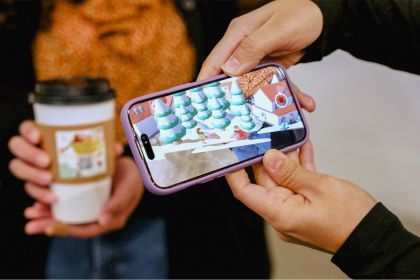
Marketing and graphic design are rapidly evolving fields where theoretical knowledge must be paired with practical application. Students at the University of the Pacific recently bridged this gap by deploying an innovative branding campaign that utilized augmented reality (AR) for a local business. This project demonstrates how modern educational programs are adapting to industry demands, providing students with tangible skills in digital marketing and interactive media.
Integrating Emerging Technology into Branding Education
The project was conducted within the Arts 77: Branding and Identity Systems course, led by Assistant Professor Zoya Laskowski in the Department of Art, Media, Performance and Design. The curriculum challenged students to move beyond static design and explore how dynamic technologies can enhance brand storytelling. By focusing on augmented reality, the course emphasized the importance of creating immersive customer experiences that extend beyond traditional print or digital media.
For marketing professionals and aspiring designers, this highlights a critical trend: the convergence of physical products and digital interaction. The ability to implement AR strategies is becoming a valuable asset in the industry, allowing brands to engage consumers directly through their smartphones.
From Classroom Theory to Real-World Application
Unlike standard academic assignments, this project required students to collaborate with a real client: Groundstack Coffee, a local business in Stockton’s Miracle Mile shopping district. This client-based approach forced students to navigate professional expectations and deliver work that met specific business objectives.
The students developed two distinct seasonal campaigns—one for Halloween and another for Christmas. The core of the strategy involved placing QR codes on the client’s coffee cups. When customers scanned these codes, they unlocked digital animations that brought the holiday branding to life. This tactic not only increased customer engagement but also provided the local business with a unique selling point.
Key Takeaways for Aspiring Marketing Professionals
Projects like the one at the University of the Pacific serve as a blueprint for how students can prepare for careers in the competitive marketing landscape. The initiative underscores the importance of:
- Hands-on Experience: Moving beyond theory to execute campaigns with real-world stakes.
- Technical Proficiency: Gaining familiarity with AR tools and QR code integration.
- Client Relations: Learning to communicate creative ideas to business owners and adapt to feedback.
These competencies are essential for anyone looking to enter the field of digital branding or media design.
The Future of Interactive Branding
As consumer attention spans shorten, brands are seeking new ways to capture interest. The use of augmented reality in this student-led campaign illustrates a shift toward interactive marketing. By transforming a simple coffee cup into a portal for digital content, the students created a memorable experience that fostered a connection between the consumer and the brand.
This approach is increasingly relevant in the USA news cycle, where stories about technological innovation in education and local business support frequently make headlines. Universities that facilitate these partnerships are effectively future-proofing their students’ careers.
Conclusion
The collaboration between University of the Pacific students and Groundstack Coffee is a strong example of applied learning. It demonstrates that with the right guidance and resources, students can produce high-level work that benefits the local economy while building a professional portfolio. For those interested in the intersection of art, technology, and business, this project offers a compelling look at the future of branding.
Have you utilized augmented reality in your marketing strategies? Share your experiences in the comments below.