University of the Pacific Conservatory of Music Students Shine in Double Opera Feature
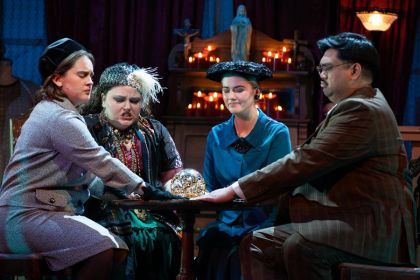
When the curtain rose on the University of the Pacific’s Conservatory of Music this spring, audiences were treated to a rare double‑bill that highlighted both the technical prowess and emotional depth of emerging opera talent. The production paired Samuel Barber’s concise masterpiece “A Hand of Bridge” with Gian Carlo Menotti’s haunting “The Medium,” offering a compelling study in contrast and continuity. Below, we explore the significance of the program, the artistic challenges faced by the student performers, and what this event reveals about the Conservatory’s approach to opera training.
A Thoughtfully Curated Double Bill
The decision to stage Barber’s nine‑minute one‑act “A Hand of Bridge” alongside Menotti’s full‑length “The Medium” was intentional. Barber’s work, often described as the shortest opera regularly performed, presents a tightly wound drama of four characters trapped in a cycle of unspoken longing. Menotti’s piece, by contrast, expands the narrative into a psychological thriller where a fraudulent medium confronts the very spirits she pretends to summon. Together, the operas create a dialogue about human relationships, desire, and the ways we seek—or avoid—truth.
Director of Opera Theatre James Haffner oversaw the staging, while Associate Professor of Voice Eric Dudley served as music director. Their combined expertise ensured that the musical nuances of each score were honored while allowing the student cast to bring fresh, personal interpretations to the stage.
Student Voices Take Center Stage
For many of the performers, this double feature represented a milestone in their conservatory education. Landon Horstman ’27, who portrayed David in “A Hand of Bridge,” described the experience as a privilege to channel the poetry of Barber through his own voice. He emphasized that opera singing is not merely about hitting notes; it is about telling a grand story with the most personal instrument available—the human voice.
Jordan Reese Guitang ’26, who took on the role of Mr. Gobineau in “The Medium,” noted the initial difficulty of embodying a character whose motivations shift between compassion and self‑delusion. Through months of rehearsal, Guitang gained confidence in handling complex repertoire, a skill he believes will serve him well as he pursues a professional career.
The production also highlighted the collaborative nature of opera. Costume designers, hair and makeup artists, and stage crew worked closely with the singers to create a visual language that complemented the music. Extravagant costumes and detailed makeup helped signal the inner worlds of the characters, particularly in “The Medium,” where the protagonist’s descent into belief is mirrored by increasingly elaborate visual cues.
Exploring Themes of Relationship and Illusion
Both operas, despite their differing lengths and styles, converge on a central theme: the intricacies of human relationships. In “A Hand of Bridge,” two unhappy couples sit at a card table, their inner monologues revealing desires that remain unfulfilled within their marriages. The piece invites the audience to consider why people stay in unsatisfying partnerships and what hidden hopes drive their actions.
“The Medium” pushes this exploration further. Madame Flora, a fraudulent fortune teller, begins to believe that the spirits she conjures during her séances are genuine. Her internal conflict—between the desire to help others cope with grief and her own deep‑seated flaws—creates a tragic portrait of self‑deception. Dudley observed that the opera’s power lies in its ability to portray grief, longing, and the search for meaning through a lens that is both unsettling and deeply human.
The Educational Value of Producing Challenging Works
Staging operas of this caliber serves multiple pedagogical purposes within the Conservatory of Music. First, it exposes students to a diverse repertoire that spans the 20th century, encouraging them to adapt their technique to varying stylistic demands. Barber’s lyrical, almost conversational lines require a different vocal approach than Menotti’s more dramatic, expressionist passages.
Second, the production process reinforces essential collaborative skills. Opera is inherently a team art form; singers must listen to conductors, respond to stage directions, and synchronize with orchestral players. By working on a double bill, students practice shifting focus between two distinct works within a short timeframe, enhancing their mental flexibility and stage presence.
Finally, performing challenging material builds resilience. The emotional intensity of both operas demands that singers tap into personal experiences while maintaining technical control. This balance of vulnerability and discipline is a hallmark of professional opera artists, and the Conservatory’s curriculum aims to nurture it from the outset.
Audience Reception and Community Impact
Feedback from attendees underscored the impact of the double feature. Many praised the clarity of diction, the emotional authenticity of the performances, and the seamless transition between the two operas. Local news outlets highlighted the event as a testament to the Conservatory’s commitment to presenting high‑quality opera that resonates with contemporary audiences.
The production also strengthened ties between the university and the surrounding community. Free admission for students and discounted tickets for seniors encouraged broad attendance, while post‑show talkbacks provided a platform for dialogue about the operas’ themes. Such initiatives align with the Conservatory’s mission to make opera accessible and relevant beyond the concert hall.
Looking Ahead: Opportunities for Aspiring Opera Singers
For prospective students considering a vocal performance degree, the University of the Pacific’s Conservatory of Music offers a compelling blend of rigorous training and practical experience. The opera theatre program emphasizes:
- Weekly private voice lessons with faculty who maintain active performance careers.
- Regular participation in fully staged productions, ranging from baroque works to contemporary premieres.
- Coaching in diction, acting, and stage movement to develop well‑rounded performers.
- Access to a state‑of‑the‑art recital hall and opera theatre equipped for professional‑level productions.
- Opportunities to collaborate with instrumental ensembles, conductors, and directors from across the university’s arts departments.
These components prepare graduates for a variety of career paths, including performance in opera houses, concert halls, educational settings, and interdisciplinary arts projects.
How to Get Involved
If the double‑feature performance has sparked your interest in opera or in studying at the University of the Pacific, there are several next steps you can take:
- Explore the Conservatory’s website – Visit the Opera Theatre program page to learn about audition requirements, faculty bios, and upcoming productions.
- Schedule a campus visit** – Experiencing the facilities firsthand and meeting current students can provide valuable insight into daily life at the Conservatory.
- Connect with admissions counselors** – They can answer questions about financial aid, scholarship opportunities, and the application timeline.
- Attend a live performance** – Keep an eye on the Conservatory’s event calendar for upcoming operas, recitals, and masterclasses that are open to the public.
- Engage with the community** – Join mailing lists or follow the Conservatory’s social media channels to stay informed about workshops, guest lectures, and outreach programs.
Final Thoughts
The University of the Pacific’s Conservatory of Music demonstrated that student‑led opera can be both artistically ambitious and deeply resonant. By pairing Barber’s succinct “A Hand of Bridge” with Menotti’s evocative “The Medium,” the production offered a nuanced examination of human desire, illusion, and the search for connection. The performers’ dedication, combined with thoughtful direction and design, resulted in a memorable evening that highlighted the Conservatory’s strengths in vocal training, collaborative artistry, and community engagement.
For anyone passionate about opera—whether as a prospective student, a seasoned aficionado, or a curious newcomer—the double feature serves as a reminder of the enduring power of live performance to explore the complexities of the human heart. As the Conservatory continues to innovate and expand its offerings, audiences can look forward to more productions that challenge, inspire, and celebrate the next generation of opera artists.
Ready to take the next step toward a career in opera? Submit your application today and begin your journey at the University of the Pacific.
Want to learn more about the Conservatory’s facilities and faculty? Schedule a free consultation with our admissions team.
Have questions about audition requirements or scholarship options? Write to us! We’re happy to help.
Enjoyed this article? Share your experiences in the comments below and join the conversation about opera education.
Looking for additional resources on vocal training and performance opportunities? Explore our related articles for further reading.