University of New England Professor Combines Indigenous Wisdom and Science in Children’s Literature
Bridging Two Worlds: Science Meets Indigenous Wisdom
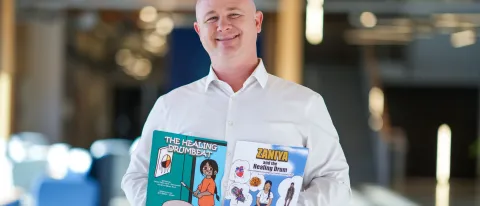
In a unique collaboration, Dr. Scott Wood, a biomedical scientist at the University of New England (UNE), has paired his research on cellular mechanics with the rich traditions of Indigenous communities in Maine. By translating the rhythmic patterns of cartilage cells into drumbeats, Wood and co‑author Jessie Taken Alive‑Rencountre—an educator from the Standing Rock Sioux Tribe—have produced two children’s books that weave together molecular biology and ancestral knowledge. The result is a narrative that invites young readers to explore health, movement, and healing from both scientific and cultural perspectives.
Why This Story Matters
Indigenous wisdom has long emphasized the connection between rhythm, dance, and well‑being. Across North America, drum circles and powwows are not merely celebrations; they are practices that reinforce community, memory, and physical health. In the scientific realm, researchers are uncovering how cells in our joints move in patterns that resemble a dance. When these patterns are disrupted—such as in osteoarthritis—cells lose their ability to “dance,” leading to joint degeneration.
By merging these two narratives, the books demonstrate that seemingly separate fields can inform one another. They also provide a culturally responsive way to introduce complex scientific concepts to children, making STEM education more inclusive and engaging.
How the Books Translate Cellular Motion into Drumbeats
Wood’s laboratory collects high‑resolution data on the movement of chondrocytes, the cells that maintain cartilage. Using Python scripts, the team converts the motion data into audio files that mimic drum sounds. The rhythm of healthy cells becomes a steady, vibrant beat, while arthritic cells produce a slower, stilted rhythm. This auditory representation allows students to “hear” the difference between healthy and diseased tissue.
Storytelling Meets Science
- The Healing Drumbeat—a picture book for younger children—introduces the concept through a playful narrative about a boy who learns to listen to the drum of his grandparents’ stories and the drum of his own body.
- Zaniya and the Healing Drum—a slightly longer version for older readers—delves deeper into the science, explaining how cells respond to mechanical stress and how Indigenous knowledge can guide new therapeutic approaches.
Both books feature illustrations by Erin Walker Jensen, whose artwork captures the energy of drum circles and the subtlety of cellular motion. The stories highlight themes such as intergenerational connection, respect for nature, and the importance of movement for health.
Implications for STEM Education and Cultural Awareness
Educators can use these books as a springboard for interdisciplinary lessons. For example:
- Science Lab Activity: Students can record the motion of plant cells or simple mechanical systems and convert the data into drum rhythms, mirroring the process used in UNE’s research.
- Literature Discussion: Teachers can compare the narrative structure of the books with traditional Indigenous storytelling techniques, fostering an appreciation for oral traditions.
- Health Education: By linking cellular mechanics to everyday movement, students gain a concrete understanding of how exercise and posture affect joint health.
These activities not only reinforce scientific concepts but also validate Indigenous perspectives, encouraging students from diverse backgrounds to see themselves reflected in STEM fields.
Getting Involved: Resources for Parents and Educators
Parents and teachers looking to deepen their understanding of the intersection between science and Indigenous culture can explore several resources:
- UNE’s Academic Programs offer courses in biomedical sciences, Indigenous studies, and interdisciplinary research.
- The university’s Health Sciences Campus hosts workshops on cellular biomechanics and community health.
- Local libraries often carry the two books, and many schools have begun incorporating them into their curricula.
By integrating these materials, educators can create a learning environment that honors both scientific inquiry and cultural heritage.
Next Steps for Students Interested in Biomedical Science
Students who are inspired by the stories and the science behind them have several pathways to pursue:
- Explore UNE’s Biomedical Sciences Program: The program offers hands‑on laboratory experience, mentorship from faculty like Dr. Wood, and opportunities to work on federally funded research projects.
- Apply for Undergraduate Research: UNE encourages undergraduates to join research teams early, providing a foundation for graduate study or industry roles.
- Engage with Indigenous Communities: Building respectful relationships with local tribes can offer unique perspectives and collaborative research opportunities.
These steps can help students build a career that bridges scientific innovation with cultural understanding.
Take Action Today
Whether you’re a parent, educator, or aspiring scientist, there are concrete actions you can take to support the integration of Indigenous wisdom and science in learning:
- Submit your application today to UNE’s undergraduate programs and start a journey that values both science and culture.
- Schedule a free consultation with an admissions counselor to learn how UNE’s interdisciplinary programs can fit your goals.
- Have questions? Write to us! Reach out to the Office of Communications at [email protected] for more information about the books and research.
- Explore related articles on UNE’s news portal to stay updated on the latest research and community initiatives.
By engaging with these resources, you can help foster a generation of learners who appreciate the harmony between science and Indigenous knowledge.