University of New England Outdoor Business Students Deliver Marketing Ideas to Kennebunkport Conservation Trust
How UNE’s Outdoor Business Program Connects Students with Real‑World Conservation Challenges
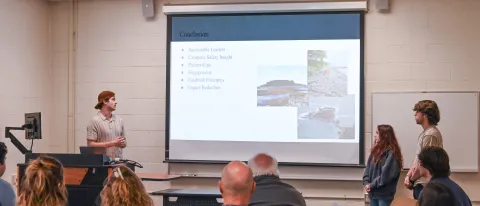
In December, a group of senior students from the University of New England’s (UNE) Outdoor Business and Innovation program presented a marketing strategy to the Kennebunkport Conservation Trust (KCT). The Trust, which manages campsites on protected islands in Cape Porpoise, welcomed the fresh perspective and announced plans to implement several of the ideas. This collaboration illustrates how UNE’s curriculum turns classroom concepts into actionable solutions for local land trusts and the broader outdoor industry.
Why Outdoor Business Education Matters in Maine
Maine’s outdoor recreation sector contributes more than $3.4 billion to the state’s economy and supports roughly 5 % of all jobs. Yet the industry faces growing pressure to balance visitor access with conservation. UNE’s Outdoor Business and Innovation degree addresses this gap by combining sustainability principles with marketing, operations, and entrepreneurship skills. Students learn to design experiences that protect natural assets while generating revenue, a dual focus that is increasingly demanded by land trusts, parks, and tourism boards.
Hands‑On Projects that Drive Impact
The Eco‑Tourism class, led by Teaching Professor Aimee Vlachos, is a flagship example. Students conducted field research on visitor behavior, developed a social‑media campaign, and proposed a website redesign that highlights “magic moments” campers share. KCT’s Executive Director Tom Bradbury praised the students’ respect for the islands and their understanding of the need to limit overuse. The Trust plans to launch a new website next year, incorporating many of the student recommendations.
Networking with Industry Leaders
Vlachos regularly invites outdoor leaders to her classes, including former North Face owners and directors of local non‑profits. These interactions give students real‑time feedback and help them build professional networks. Two of her students were recently appointed to Maine’s Outdoor Brands Student Advisory Board, and she organized a volunteer trip to the NFL’s first regular‑season game in Ireland, where students tested a new NFL game app. Such experiences sharpen students’ business acumen and expose them to the latest industry trends.
Actionable Advice for Aspiring Outdoor Business Professionals
Whether you’re a student considering UNE, a marketing professional looking to specialize in outdoor recreation, or a land trust manager seeking fresh ideas, the following steps can help you apply the lessons from this collaboration.
1. Identify the Core Value of the Natural Asset
Start by defining what makes the site unique—its ecosystems, cultural history, or recreational opportunities. Use this narrative to craft marketing messages that resonate with target audiences. For example, KCT highlighted the islands’ “magic moments” to create emotional connections with potential visitors.
2. Balance Access with Conservation
Develop visitor management plans that protect sensitive areas while still offering meaningful experiences. This can include timed entry, guided tours, or digital signage that educates guests about local wildlife. UNE students suggested limiting campsite capacity and using a reservation system to prevent overuse.
3. Leverage Digital Platforms Wisely
Build a website that is both informative and engaging. Use high‑quality imagery, interactive maps, and user‑generated content to showcase the experience. Social media can amplify reach—consider Instagram reels or TikTok clips that capture short, authentic moments. The KCT project demonstrated how sharing user stories can drive interest while reinforcing conservation messages.
4. Engage the Community in Co‑Creation
Invite local residents, volunteers, and visitors to contribute ideas. Community‑driven initiatives increase buy‑in and generate content that feels genuine. UNE students organized focus groups with campers to refine their marketing concepts, ensuring the final plan reflected real visitor preferences.
5. Measure Impact and Iterate
Set clear metrics—visitor numbers, revenue, or conservation outcomes—and track them over time. Use data to adjust strategies, such as modifying pricing tiers or enhancing educational signage. Continuous improvement keeps the program aligned with both business goals and environmental stewardship.
Benefits for Land Trusts and Conservation Organizations
By partnering with academic programs, land trusts gain access to fresh research, innovative marketing tactics, and a pipeline of skilled graduates. The KCT experience shows that students can deliver actionable insights that translate into tangible improvements, such as a new website and visitor management tools.
Case Study: Kennebunkport Conservation Trust
After reviewing the UNE students’ proposal, KCT’s leadership decided to adopt several recommendations:
- Implement a reservation system to control campsite capacity.
- Launch a social‑media campaign featuring visitor “magic moments.”
- Redesign the website to highlight conservation stories and visitor guidelines.
- Use data analytics to monitor visitor flow and adjust policies accordingly.
These actions not only protect the islands but also enhance visitor satisfaction and generate revenue that supports ongoing conservation efforts.
How UNE Prepares Graduates for the Outdoor Economy
UNE’s Outdoor Business and Innovation degree is designed to produce graduates who can navigate the intersection of business and conservation. The curriculum covers:
- Strategic marketing for outdoor experiences.
- Financial modeling for recreation enterprises.
- Sustainable operations and resource management.
- Entrepreneurial skills for launching new ventures.
Students graduate with a portfolio of real‑world projects, making them attractive to employers in parks, resorts, non‑profits, and government agencies.
Next Steps for Interested Students and Professionals
If you’re ready to explore a career that blends business acumen with a passion for the outdoors, consider the following actions:
- Learn more about UNE’s Outdoor Business and Innovation program and how it aligns with your goals.
- Submit your application today to join a program that connects you with industry leaders.
- Contact our admissions team for a free consultation and discuss how UNE can support your career path.
- Explore our related articles and resources to deepen your understanding of outdoor business trends.
- Share your experiences or questions in the comments below or reach out directly to our faculty for guidance.
By engaging with UNE’s curriculum and industry partners, you can develop the skills needed to create sustainable, profitable outdoor experiences that protect the natural assets you love.