UNE Animal Behavior Student Gains Hands‑On Experience in Maine Wildlife Park Internship
Why an Internship at Maine Wildlife Park Matters
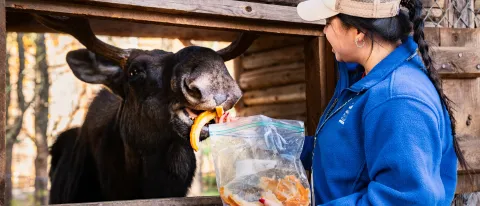
For students pursuing a career in animal behavior, hands‑on experience is essential. The Maine Wildlife Park, located in Gray, offers a unique environment where injured wildlife receive lifelong care in natural enclosures. Interns work directly with a diverse range of species—from raptors to large mammals—providing real‑world exposure that complements classroom learning.
Connecting Classroom Theory to Field Practice
Students like Sarah Goble, a senior majoring in animal behavior at UNE’s School of Psychology and Brain Sciences, use the internship to apply concepts such as behavioral assessment, enrichment design, and health monitoring. The park’s mission to educate the public also gives interns a chance to develop communication skills, an often‑overlooked component of wildlife careers.
Explore UNE’s internship opportunities in wildlife conservation today.
Daily Responsibilities of a Wildlife Intern
Interns perform a range of tasks that mirror the work of professional keepers. These include:
- Cleaning enclosures and maintaining habitat conditions
- Feeding and administering medication under supervision
- Conducting morning rounds to monitor animal health and behavior
- Assisting with public education programs during peak visitor months
Through these activities, interns gain practical skills in animal handling, data collection, and team collaboration.
Learning from Experienced Keepers
Mentorship is a cornerstone of the internship. Sarah noted that working alongside keepers of varying experience levels—from a seasoned eight‑year veteran to peers close to her age—provided diverse perspectives on career pathways and daily operations. This exposure helps interns understand the breadth of roles available in wildlife management.
Learn more about Maine Wildlife Park’s conservation work.
Bridging Classroom and Fieldwork
UNE’s career readiness framework emphasizes the importance of internships in preparing students for the workforce. According to Associate Director of Employer Relations Dylan Brothers, “By the time students leave UNE, they have experience that already prepared them for the workforce.” Internships like the one at Maine Wildlife Park allow students to test career interests, refine skill sets, and build professional networks.
Assessing Career Fit Early
Research shows that up to 30% of internships help students discover what they don’t want to pursue. This insight is valuable, as it saves time and resources in the long run. For Sarah, the internship confirmed her passion for wildlife care and solidified her goal of working in conservation.
Preparing for a Career in Animal Behavior
Students interested in animal behavior can leverage UNE’s unique program and internship opportunities to build a strong foundation. The curriculum covers behavioral science, ecology, and animal welfare, while internships provide the practical experience needed to stand out in a competitive field.
Apply for UNE’s animal behavior program now.
Schedule a campus visit to discuss internships.
By combining rigorous academics with immersive fieldwork, UNE students like Sarah Goble are well positioned to make a meaningful impact in wildlife conservation.