Explore Adelphi University’s Italy Study Abroad Program for USA Students: Education, Culture, and Global Learning
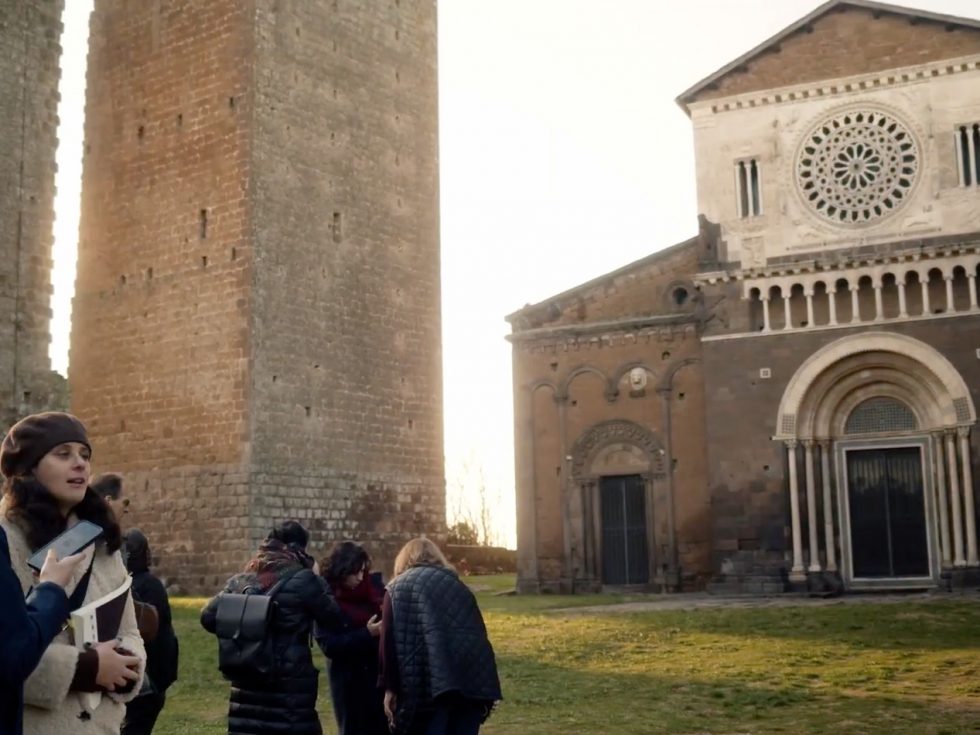
Why Adelphi Chose Italy as a Living Classroom
Adelphi University’s Ruth S. Ammon College of Education and Health Sciences has transformed a traditional semester abroad into an immersive faculty‑led experience that treats the entire Italian peninsula as a classroom. Rather than confining learning to lecture halls, the program places students in historic towns, bustling markets, and local schools where education, health, and community life intersect. By walking the same cobblestones that have witnessed centuries of cultural exchange, future educators and health professionals gain a tangible sense of how societal values shape professional practice.
The decision to focus on Italy stems from its unique position as a crossroads of Mediterranean, European, and global influences. Layers of ancient Roman, Renaissance, and modern Italian life coexist in walkable cities, offering students a compact yet rich environment to observe how history informs contemporary approaches to teaching and wellness. This setting allows participants to see that professional methods are never isolated; they evolve through ongoing dialogue between tradition, policy, and community expectations.
Discover the full itinerary and eligibility requirements for Adelphi’s Italy program and see how this experience aligns with the university’s mission to prepare leaders for an interconnected world.
Academic Foundations: Linking Observation to Professional Growth
For education majors, the program includes structured visits to elementary and secondary schools across Tuscany and Lazio. Students observe classroom instruction, student engagement, and teaching methodologies that differ from typical U.S. models. These observations are not passive; faculty guide reflective discussions that connect what students see in Italian classrooms to their own developing teaching philosophies. By comparing classroom organization, student‑teacher interaction, and assessment practices, participants begin to cultivate culturally responsive perspectives that will serve diverse learner populations back home.
Health science students, while unable to access clinical facilities due to institutional restrictions, explore wellness through a cultural lens. Activities such as cooking classes centered on regional Mediterranean diets, guided walks through pedestrian‑friendly urban centers, and discussions about the Italian emphasis on communal meals and daily physical activity broaden the definition of health beyond clinical treatment. Faculty‑led conversations encourage students to contrast these preventive, lifestyle‑oriented approaches with the often curative focus of the U.S. healthcare system, fostering a more holistic view of well‑being.
To deepen your understanding of how Adelphi integrates theory with real‑world practice, request a detailed program brochure that outlines learning outcomes, faculty mentors, and assessment criteria.
Building Empathy Through Cultural Discomfort
One of the most transformative aspects of studying abroad is the inevitable encounter with linguistic and cultural unfamiliarity. In Italy, students frequently find themselves asking for directions in a language they are still learning, interpreting nonverbal cues, and navigating social norms that differ from those in New York. These moments of uncertainty foster humility, patience, and perspective‑taking—qualities that translate directly into more empathetic teaching and patient‑centered care.
When participants return to Adelphi’s diverse campus or begin professional placements in multicultural neighborhoods, they carry a lived awareness of what it feels like to be an outsider. This awareness helps them anticipate the challenges faced by multilingual learners, immigrant families, and patients whose health beliefs may not align with dominant medical models. By reflecting on their own discomfort, students learn to listen actively, adapt communication styles, and respond thoughtfully rather than relying on assumptions.
Ready to turn these insights into a competitive edge? Schedule a virtual advising session to discuss how the Italy experience can strengthen your résumé and interview narratives.
From Observation to Résumé: Articulating Global Competence
Study abroad experiences are most valuable when students can translate them into concrete skills that employers recognize. Adelphi encourages participants to frame their Italy experience around specific competencies:
- Cross‑cultural communication: Practicing Italian in everyday interactions, negotiating meaning with locals, and presenting reflections in group discussions.
- Careful observation and analysis: Documenting classroom dynamics, wellness practices, and community rituals, then linking those observations to theoretical frameworks.
- Ethical sensitivity: Recognizing how cultural values influence professional decisions and considering alternative approaches that respect local contexts.
- Teamwork in unfamiliar settings: Collaborating with peers from different disciplines to complete joint projects, such as creating a comparative wellness guide or developing a lesson plan that integrates Italian pedagogical techniques.
During job interviews, students can cite concrete examples—like adapting a lesson plan after observing an Italian teacher’s use of storytelling, or proposing a community health initiative inspired by the Italian emphasis on walkability and social meals. These narratives demonstrate adaptability, global awareness, and a readiness to serve diverse populations.
To see how past participants have leveraged their Italy experience in careers, explore alumni success stories that highlight roles in education, public health, and international NGOs.
Practical Tips for Maximizing the Intersession Experience
Because the program runs during a short intersession, preparation is key to extracting maximum learning:
- Pre‑departure research: Review basic Italian phrases, familiarize yourself with regional histories, and identify specific questions you want to explore during school visits or wellness activities.
- Active journaling: Keep a daily log that captures not only what you saw but also how it made you feel, what assumptions were challenged, and what insights emerged.
- Engage with locals: Seek opportunities beyond the scheduled itinerary—visit a neighborhood market, attend a community festival, or strike up a conversation with a shopkeeper. These unscripted moments often become the most memorable learning experiences.
- Reflective debriefs: Participate fully in faculty‑guided discussions; use them to connect field observations to coursework and to develop actionable plans for applying lessons back home.
- Leverage university resources: After returning, schedule a meeting with the Career Center to craft résumé bullets and LinkedIn updates that highlight the global competencies you gained.
For a printable checklist that covers packing, academic preparation, and post‑program reflection, download the Adelphi Italy Student Guide.
Conclusion: A Classroom Without Walls
Adelphi University’s Italy program exemplifies the philosophy that “the world is our classroom.” By stepping outside traditional academic walls and into the living streets, schools, and kitchens of Italy, students gain a nuanced understanding of how culture, history, and community shape professional practice. The experience cultivates global competence, empathy, and reflective habits that are essential for educators and health professionals serving today’s diverse societies.
If you are ready to expand your horizons, enhance your résumé, and develop the skills needed to thrive in a globalized workforce, take the next step today.
Apply now for the upcoming Italy intersession and begin your journey toward becoming a culturally responsive leader.
Speak with an admissions counselor to answer any questions about funding, academic credit, and program logistics.
Visit the program’s virtual open house to see photos, hear from past participants, and envision yourself in Italy.